



5 min read
3D Heating and Cooling Reviews: Deciding Between a Heat Pump and Gas Furnace
Navigating Your Heating Options Before Winter Arrives
The October pre-winter heating startup window is rapidly closing, and if your aging furnace struggled last season, you are likely looking at options comparisons for homeowners right now. Before the first frost settles over the region, making a definitive choice about your home's heating infrastructure is critical. Waiting until a system completely fails in the middle of a freezing night limits your choices and forces rushed decisions under stress. Right now, you have the time to carefully evaluate whether a high-efficiency heat pump or a traditional gas furnace makes the most sense for your property's specific layout and your family's comfort preferences.
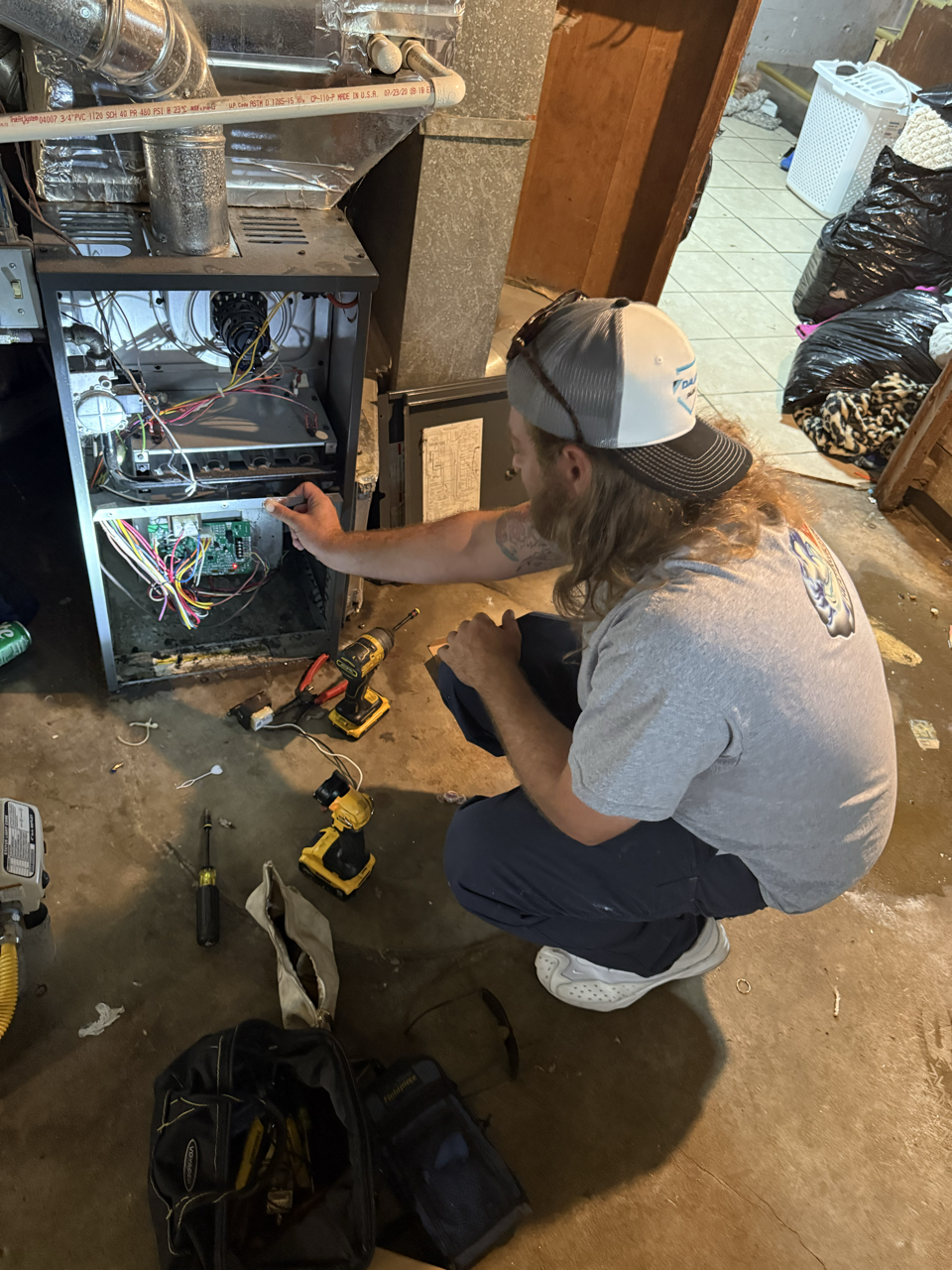
When evaluating 3D Heating and Cooling Reviews, you will quickly notice a recurring theme: choosing the right equipment is only half the battle. The actual machinery you purchase matters, but partnering with a trusted installer for professional HVAC services ensures that the equipment performs at its peak. A premium furnace installed poorly will cost more to operate and fail sooner than a mid-range system installed with meticulous precision. As you navigate these options before the winter rush, focusing on both the technology and the technicians behind it is the safest route to long-term comfort.
Key considerations for your pre-winter decision:
• Current system age: Systems over 15 years old are prime candidates for proactive replacement before a mid-winter breakdown.
• Energy goals: Decide whether your primary goal is reducing carbon footprint, lowering monthly utility usage, or maximizing raw heating power.
• Existing infrastructure: The condition of your current ductwork and the presence of natural gas lines heavily influence which system is most cost-effective to install.
• Contractor availability: Booking installations during the October window ensures you secure top-tier technicians before emergency no-heat calls flood their schedules.
How Local Climate Dictates Your Ideal Heating System
National heating guidelines often rely on broad averages that completely miss the mark for our specific region. In Taylorsville KY and surrounding Spencer County, the weather is anything but average. We experience a highly volatile climate characterized by hot, intensely humid summers that can transition abruptly into bitter, freezing winter conditions. A heating and cooling system here cannot just be good at one thing; it must be exceptionally versatile to handle these extreme temperature swings while maintaining safe, consistent indoor comfort.
During the summer months, your system must act as a powerful dehumidifier, stripping moisture from the air to prevent mold growth and indoor discomfort. Heat pumps excel in this regard, operating identically to air conditioners during the warmer months. However, the real test comes when the seasons change. The sudden freezing temperature drops during Kentucky winters demand a heating system with reliable, high-capacity output. If a system is undersized or improperly configured for our local climate, it will run continuously without ever reaching the set temperature on your thermostat, driving up energy usage while leaving your living spaces cold.
Understanding these local weather patterns is why generic advice falls short. When our technicians evaluate homes throughout our local service areas, they look beyond square footage. They factor in regional humidity, prevailing winter winds, and the specific insulation values common in local construction. This localized approach ensures that whether you choose a heat pump or a gas furnace, the system has the exact capacity required to fight off the bitter cold of a January night while still managing the heavy humidity of an August afternoon.
Heat Pumps vs. Gas Furnaces: A Technical Comparison
Understanding the mechanical differences between these two systems is essential for making an informed investment. Traditional gas furnaces generate heat by burning combustible fuel. They ignite natural gas or propane, pass the resulting heat through a metal heat exchanger, and blow air across that hot metal to warm your home. Heat pumps, on the other hand, do not generate heat—they move it. By utilizing advanced refrigerants and a reversing valve, a heat pump extracts ambient thermal energy from the outside air (even when it feels freezing outside) and compresses it to warm the air inside your home.
Modern cold-climate heat pumps have revolutionized the industry. Historically, heat pumps struggled when temperatures dipped below freezing, relying on inefficient electric resistance heat strips to keep up. Today's advanced variable-speed compressors allow heat pumps to operate efficiently even in sub-freezing conditions. However, during the most severe freezing temperature drops during Kentucky winters, a traditional gas furnace still provides faster, higher-temperature heat output at the registers. This rapid heat delivery is why many homeowners with existing gas lines prefer to stick with combustible heating.
During a severe winter snow storm, one local homeowner needed a new heat pump installed immediately after their old unit failed. A technician came out promptly to install the system cleanly and informatively, proving that modern heat pumps can handle severe weather when properly configured. Furthermore, generic federal tax credits may apply to qualifying high-efficiency heat pump installations, making them an increasingly attractive option for homeowners looking to offset initial installation costs. Always consult with a tax professional to see which energy incentives apply to your specific situation.
• Method of Operation — Modern Heat Pump: Transfers ambient heat from outside air — Traditional Gas Furnace: Generates heat by burning natural gas or propane
• Winter Performance — Modern Heat Pump: Highly efficient, but output air feels slightly cooler — Traditional Gas Furnace: Provides rapid, high-temperature heat at the vents
• Summer Utility — Modern Heat Pump: Reverses operation to provide full air conditioning — Traditional Gas Furnace: Sits idle; requires a separate air conditioning unit
• Energy Source — Modern Heat Pump: 100% Electricity — Traditional Gas Furnace: Natural Gas or Propane (plus minor electricity for blower)
• Financial Incentives — Modern Heat Pump: Often eligible for generic federal tax credits and rebates — Traditional Gas Furnace: Fewer federal incentives, though high-efficiency models may qualify
When to Choose a Heat Pump
A heat pump is generally the ideal choice if you prioritize year-round energy efficiency and want a single system to handle both heating and cooling. Because they move heat rather than create it, they can achieve efficiency ratings well over 100% under the right conditions. They are particularly advantageous for homes that currently rely on expensive propane or outdated electric baseboard heating. Additionally, if you are looking to utilize potential generic energy rebates or federal tax credits aimed at electrification, transitioning to a high-efficiency heat pump is a strategic move that upgrades your entire HVAC infrastructure in one installation.
When to Choose a Gas Furnace
A gas furnace remains the undisputed champion for rapid heat delivery during the absolute coldest nights of the year. If you prefer the feeling of very hot air blowing from your vents, a furnace delivers that comfort instantly. It is often the preferred choice when a home already has existing, well-maintained natural gas lines and ductwork optimized for higher airflow temperatures. For homes in areas prone to extended deep freezes, the robust, straightforward heating power of a gas furnace provides unparalleled peace of mind when the outdoor thermometer plummets.


Why Installation Quality Outweighs Equipment Brand
Homeowners often spend weeks researching specific equipment brands, comparing decibel ratings, and reading manufacturer brochures. While selecting quality equipment is important, the brand name on the outside of the box matters far less than the expertise of the technicians installing it. Proper sizing and installation account for a massive portion of an HVAC system's operational efficiency. If a top-tier system is installed with poorly sealed ductwork, incorrect refrigerant charges, or improper gas pressure, it will underperform a budget system that was installed flawlessly.
This is where the science of HVAC design comes into play. A professional installation begins with a rigorous load calculation—a mathematical assessment of your home's exact heating and cooling needs. This calculation factors in the square footage, window placement, insulation quality, and the specific climate data for Taylorsville KY and surrounding Spencer County. Skipping this step often results in oversized equipment. An oversized furnace will short-cycle, turning on and off rapidly, which causes uneven heating, premature wear on components, and significantly higher utility bills.
Because the installation process is so technical, reading verified customer feedback is your best defense against poor workmanship. Transparent customer reviews provide a clear window into how a company operates behind closed doors. When evaluating options, Choosing an HVAC Company in Taylorsville means looking for a trusted edge HVAC alternative that prioritizes transparent communication and meticulous craftsmanship over high-pressure sales tactics. Reading real reviews helps you verify that the contractor consistently delivers on their promises, giving you peace of mind when making this major homeowner decision.
Real Experiences: Handling Sudden Heating Failures
The transition from autumn to winter often exposes the hidden vulnerabilities in aging heating equipment. Operating a failing system is not just inefficient; it can be incredibly dangerous. For gas furnaces, the heat exchanger is the critical component that keeps the toxic byproducts of combustion separate from the air you breathe. Over years of expanding and contracting, these metal components can develop microscopic cracks. When this happens, carbon monoxide can leak directly into your home's ductwork, creating a severe health hazard that requires immediate professional intervention.
During the October pre-winter heating startup period last autumn, one local homeowner experienced this exact terrifying situation when their carbon monoxide detectors kept going off. The underlying cause was a cracked heat exchanger in an aging furnace—a serious emergency safety issue. A technician arrived within an hour to diagnose the problem, remove the dangerous old machinery, and safely replace the furnace and AC. The prompt, professional response mitigated a life-threatening situation and restored the home's comfort safely.
These real-world scenarios illustrate the absolute necessity of reliable 24/7 emergency support. When a system fails in the middle of a cold night, you need a local team that will respond immediately and provide honest recommendations without unnecessary replacement pressure. A reputable contractor will thoroughly diagnose the issue, explain the exact point of failure, and walk you through your options—whether that means a targeted repair to keep the system running safely or a full replacement if the equipment is beyond saving.
Protecting Your Investment with Proactive Care
Regardless of whether you ultimately choose a high-efficiency heat pump or a powerful gas furnace, one rule remains universal: ongoing care is non-negotiable. A new heating system is a significant investment in your home's infrastructure, and just like a new vehicle, it requires regular maintenance to protect that investment. Neglecting routine care accelerates wear and tear, voids manufacturer warranties, and drastically increases the likelihood of a catastrophic failure when you need the system most.
Routine inspections are designed to catch minor issues before they escalate into mid-winter breakdowns. For a gas furnace, a professional tune-up involves inspecting the heat exchanger for structural integrity, cleaning the burners for optimal combustion, and verifying that the flue draft is safely venting exhaust gases outdoors. For a heat pump, maintenance focuses on checking refrigerant levels, ensuring the reversing valve operates smoothly, and cleaning the outdoor coils so the system can effectively extract heat from the winter air. When the freezing temperature drops during Kentucky winters arrive, you want absolute certainty that these components have been tested and verified.
The most effective way to ensure this vital maintenance happens on schedule is to establish a relationship with a trusted HVAC provider. Enrolling in a routine HVAC maintenance plan takes the guesswork out of seasonal care. It ensures your equipment is professionally prepped for the changing seasons, provides priority service during peak demand times, and keeps your system running at maximum efficiency year after year.
Frequently Asked Questions
Which is better for Kentucky winters: a heat pump or a gas furnace?
The best choice depends on your home's existing infrastructure and your comfort preferences. Modern cold-climate heat pumps are highly efficient and handle Kentucky winters beautifully, but gas furnaces provide faster, hotter air during the most severe deep freezes. A professional evaluation of your ductwork and energy goals is the best way to determine the ideal fit.
Why is it important to read HVAC contractor reviews before a system replacement?
Reviews provide transparent insight into a company's installation quality and customer service integrity. Because proper installation accounts for a massive portion of a system's efficiency and lifespan, verifying a contractor's track record through local feedback helps you avoid poor workmanship and premature system failure.
At what temperature does a heat pump become inefficient?
Older heat pumps typically began losing efficiency around 35°F, but technology has advanced significantly. Modern cold-climate heat pumps can maintain high efficiency and effectively heat a home even when outdoor temperatures drop well below freezing, though they may run longer cycles during extreme cold snaps.
Should I replace my gas furnace with a heat pump?
Replacing a gas furnace with a heat pump is an excellent option if you want to improve overall energy efficiency and add air conditioning capabilities in a single system. However, if your home already has optimized gas lines and you prefer the rapid, high-temperature output of combustible heat, staying with a modern, high-efficiency gas furnace might be more cost-effective.
How do generic federal tax credits impact my heating system choice?
Generic federal tax credits and local energy rebates are often designed to incentivize the installation of highly efficient, electrified systems. Qualifying heat pumps frequently meet these criteria, potentially offsetting a portion of the initial installation cost and making them a highly attractive long-term financial investment.
What signs indicate my current heating system won't survive the winter?
Frequent strange noises, constantly fluctuating indoor temperatures, and steadily increasing utility bills are major red flags. Additionally, if your system is over 15 years old and requires frequent repairs to keep running, it is highly likely to fail when placed under the extreme stress of a severe winter freeze.
Deciding between a heat pump and a gas furnace is one of the most impactful choices you will make for your home's infrastructure. By prioritizing proper sizing, professional installation, and ongoing maintenance, you can ensure your family stays warm and safe regardless of what the weather brings. Partnering with a trusted local team guarantees you receive a clear, climate-specific comparison tailored to your exact needs, giving you the confidence to make an informed replacement choice.
Financing

Now Offering Financing Options with Affordable Monthly Payments
where we operate
Service Areas
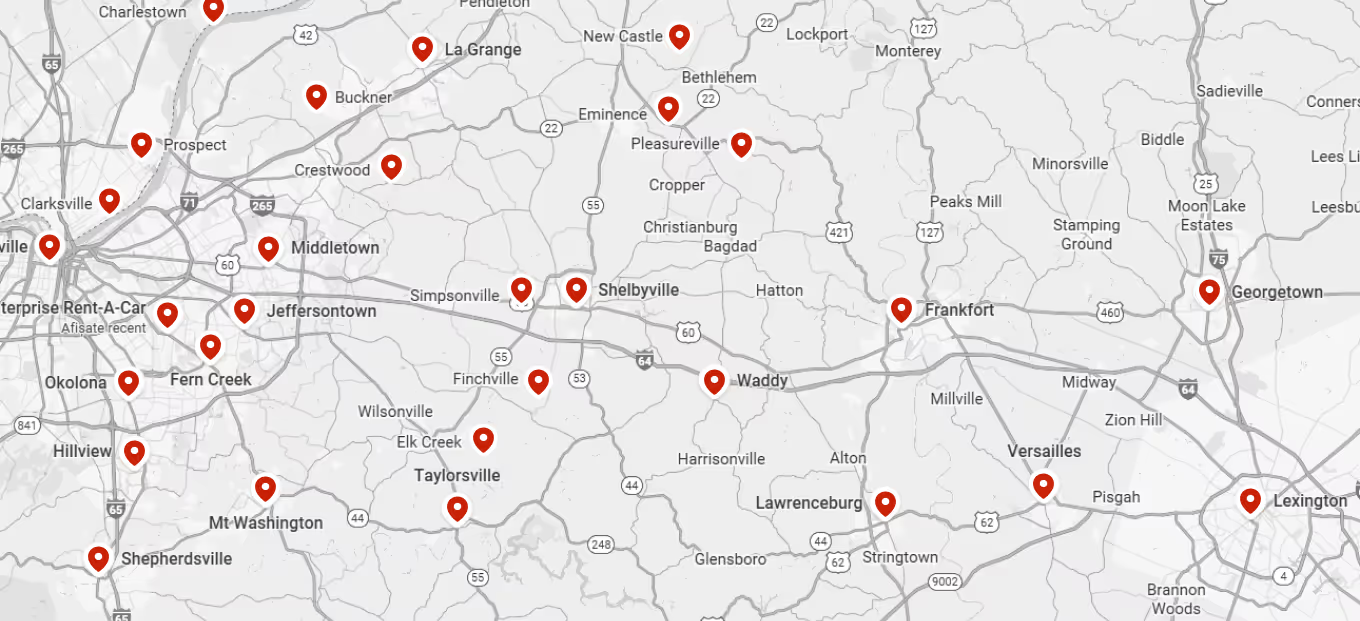
Proudly serving Spencer county, Jefferson county, Bullitt county, and the surrounding areas
Short Heading Goes Here
Sed iaculis aenean sit sed risus arcu vitae integer elit.

