



5 min read
HVAC Near Me: Troubleshooting Your October Heating Startup and Finding a Reliable Pro
The Chilly Reality of Your First Fall Heating Startup
The morning air feels sharp, the house is uncomfortably cold, and you finally switch the thermostat from cool to heat, seeking basic home maintenance tips and troubleshooting advice to handle what happens next. Instead of a comforting wave of warmth, you might be greeted by an unsettling burning smell or a system that clicks on and off before the house even warms up. That sudden temperature drop typical of mid-fall often prompts emergency heating demands, leaving homeowners anxious about whether their furnace is simply waking up from a long summer sleep or if something is seriously wrong.
If you are navigating an October heating startup and wondering if your system is safe to operate, knowing how to interpret these early warning signs is your best defense against unexpected breakdowns. Whether you need comprehensive HVAC services or targeted heating services, understanding the difference between normal seasonal dust burn-off and a genuine mechanical failure helps you make safe, informed decisions for your household.
Why Your Furnace Smells Like Burning Dust
One of the most frequent causes of alarm during an October heating startup is a distinct, dusty burning odor spreading through the house. The problem is immediate and highly noticeable: within minutes of the furnace igniting for the first time in months, the air out of your vents smells like something is lightly roasting. The cause, however, is usually entirely harmless and rooted in simple physics.
The Science of Dust Burn-Off
Throughout the spring and summer, your furnace sits dormant. Even if you run your air conditioning constantly, the specific heating components—most notably the heat exchanger—remain inactive. Over these idle months, microscopic dust particles, pet dander, and airborne debris settle on the cold metal surfaces of the heat exchanger and the surrounding burner assemblies.
When you finally activate the heat, the burners ignite, and the heat exchanger rapidly climbs to temperatures designed to warm your entire home. The settled dust cannot withstand this sudden, intense heat. It immediately incinerates, creating that signature burning dust smell. Because your blower motor is actively pushing air over that exact component and distributing it through your ductwork, the odor travels to every room in the house almost simultaneously. This is a normal, expected part of any seasonal startup.
Monitoring the Odor
The solution to this specific problem is usually just a little patience and proper monitoring. A standard dust burn-off should dissipate relatively quickly. Here is what you should expect:
• Duration: The smell is typically strongest during the first heating cycle. It should fade noticeably within 30 to 60 minutes and disappear completely after a few hours of operation.
• Intensity: The odor should smell strictly like hot, dry dust—never like melting plastic, electrical ozone, or sulfur.
• Ventilation: If the smell is bothersome, crack a few windows to allow fresh air to circulate while the first heating cycle runs its course.
If the smell persists beyond the first day of use, or if the character of the odor changes, it is time to look deeper into potential mechanical issues.
Red Alert Odors: When to Shut Down Your System Immediately
While burning dust is normal, other odors are absolute red flags. Knowing how to identify dangerous smells ensures you can shut down your system before a minor malfunction escalates into a severe safety hazard. If you detect any of the following odors in your Taylorsville KY home, turn off your thermostat immediately.
Electrical and Metallic Smells
An odor resembling melting plastic, hot metal, or electrical ozone is never part of a normal startup. These smells typically indicate that a component is severely overheating. The blower motor, which works hard to push air through your home, relies on internal bearings and electrical windings that can wear out over time. If the motor seizes or the wiring begins to fray, the resulting friction and electrical resistance generate intense heat, melting the protective insulation around the wires.
Electrical odors require a licensed technician to safely diagnose and repair. Continuing to run a system that smells like burning plastic risks permanent damage to the unit and poses a significant fire hazard to your home.
Gas Leaks and Exhaust Issues
The most critical danger during any heating season is the presence of a gas leak or exhaust failure. Natural gas is naturally odorless, but utility companies add a chemical called mercaptan to give it a distinct, rotten egg smell. If you smell sulfur or rotten eggs, you are dealing with a raw gas leak. Do not attempt to find the source. Evacuate the house immediately and call your local gas utility or emergency services.
Equally dangerous, but much harder to detect, is carbon monoxide (CO). This byproduct of combustion is completely odorless and invisible. One autumn, a homeowner experienced their carbon monoxide detectors repeatedly going off due to a cracked heat exchanger in their furnace. A technician was dispatched quickly to address the safety emergency, removing the hazardous machine and replacing it with a safe, new system. This highlights exactly why functional CO detectors are non-negotiable for any home with a gas furnace.
• Hot, dry dust — Likely Cause: Normal summer dust burn-off — Required Action: Monitor; should fade in 1-2 hours.
• Melting plastic or ozone — Likely Cause: Overheating motor or wiring — Required Action: Turn off system immediately; call a professional.
• Rotten eggs (sulfur) — Likely Cause: Natural gas leak — Required Action: Evacuate immediately; call emergency services.
• Musty or damp — Likely Cause: Bacterial growth on AC coils — Required Action: Schedule a professional cleaning.


Furnace Short-Cycling: What It Means and Why It Happens
Another highly common issue during an October heating startup is a phenomenon known as short-cycling. The problem occurs when your furnace turns on, runs for only a few minutes, and then abruptly shuts off before the house reaches the temperature set on the thermostat. Shortly after, it tries to start again, repeating this rapid on-and-off loop.
The cause of short-cycling is almost always tied to the system's internal safety mechanisms. Modern furnaces are equipped with a high-limit switch designed to monitor the temperature inside the heat exchanger. If the internal temperature exceeds a safe threshold, the limit switch trips and forcefully shuts down the burners to prevent the unit from cracking or catching fire. The solution requires understanding why the system is overheating in the first place.
The Role of Restricted Airflow
The most frequent culprit behind an overheating furnace is restricted airflow. Your heating system relies on a constant, steady volume of cool return air passing over the heat exchanger to carry the warmth away and distribute it through your home. If that airflow is choked off by dirt, debris, or blocked vents, the heat has nowhere to go. It builds up rapidly inside the furnace cabinet, tripping the high-limit switch.
Thermostat miscommunications can also mimic this mechanical failure. If a thermostat is poorly calibrated, located in direct sunlight, or positioned right above a heat register, it may prematurely read that the room is warm and shut the system down early. However, airflow restriction remains the primary suspect that homeowners should investigate first.
Safe Visual and Auditory Checks for Homeowners
When you encounter a burning smell that doesn't fade or a system that short-cycles, there are a few safe, non-technical troubleshooting steps you can take before calling a professional. It is vital to remember that modern HVAC systems involve high-voltage electricity, combustible gases, and complex electronics. You should never open the furnace cabinet or attempt to repair internal components yourself. However, you can safely perform the following checks around your Taylorsville KY home:
1. Check the Air Filter: This is the single most important step. Locate your return air filter and pull it out. If it is caked with gray dust, pet hair, or debris, it is choking your system and likely causing your short-cycling issue. Replace it with a clean filter immediately.
2. Inspect Vents and Registers: Walk through every room in your house and ensure that all supply and return vents are fully open. Move any rugs, heavy drapes, or furniture that might be blocking airflow. Closing vents in unused rooms actually increases static pressure in the ductwork and forces the blower motor to work harder, so keep them open.
3. Verify Thermostat Settings: Ensure the thermostat is set to "Heat" and that the fan is set to "Auto" rather than "On." If the fan is set to "On," it will blow constantly, even when the burners are off, which can make the air coming out of the vents feel deceptively cool.
4. Listen for Unusual Noises: Stand near the furnace during a startup cycle. Listen for grinding, squealing, or loud banging. A grinding noise often indicates a failing motor bearing, while a loud bang upon ignition (delayed ignition) means gas is building up before lighting, which requires immediate professional repair.
When to Search for "HVAC Near Me": Vetting Local Contractors
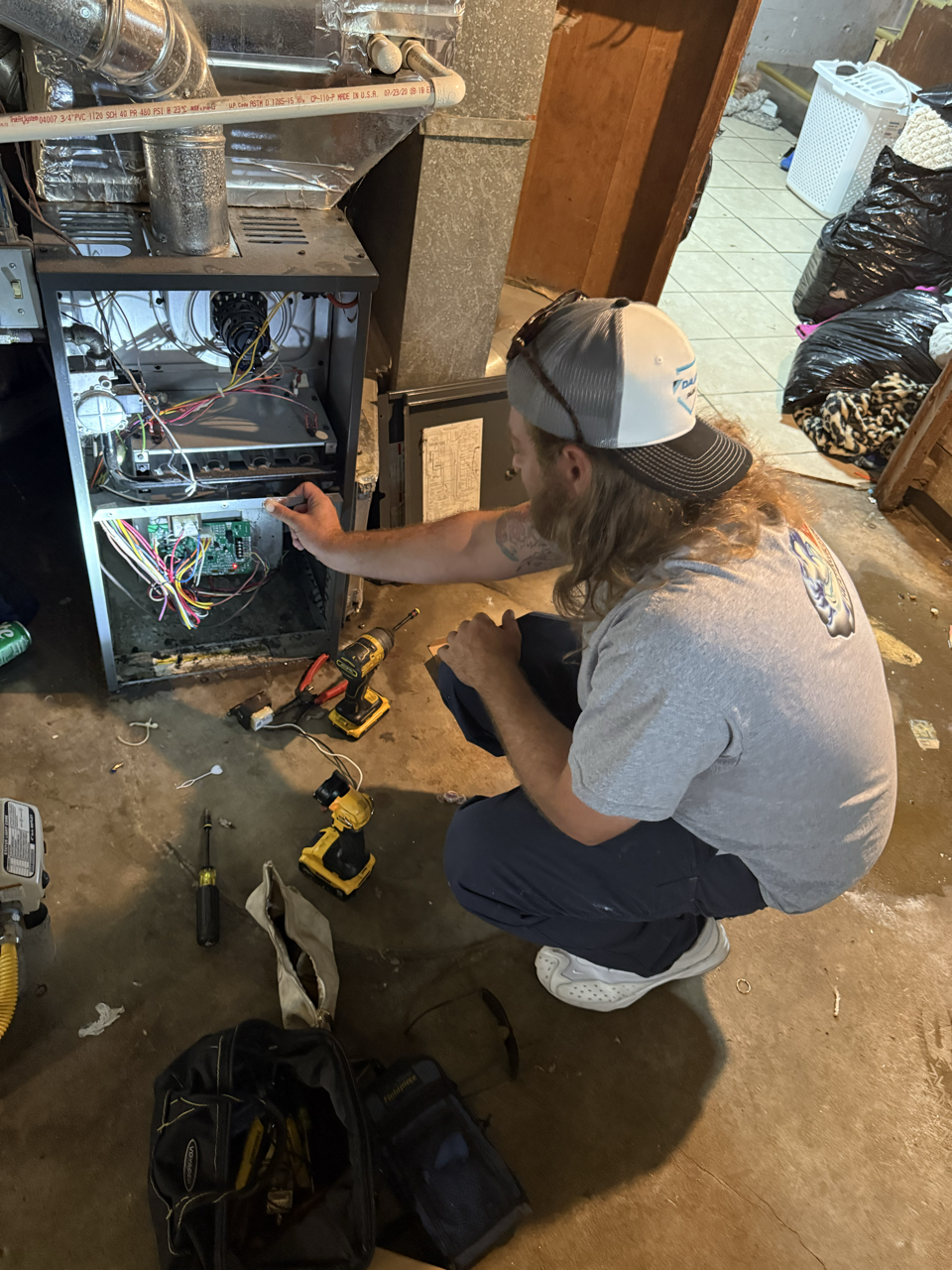
If you have changed your filter, checked your vents, and the system is still short-cycling or emitting strange odors, your troubleshooting has reached its safe limit. It is time to bring in a licensed professional. Knowing what to look for in a reputable local contractor ensures you get honest diagnostics and reliable repairs.
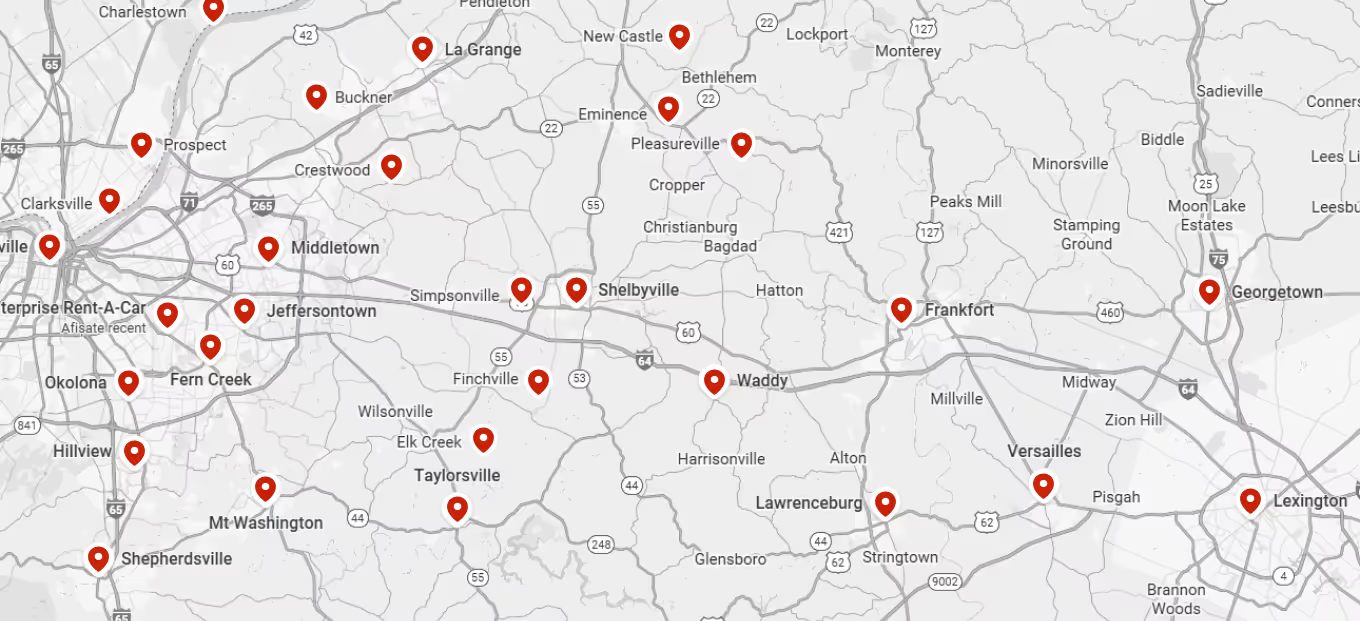
When searching for help across your local service areas, prioritize companies that emphasize proper licensing, transparent communication, and strong emergency response capabilities. A trustworthy contractor will not just tell you a part is broken; they will show you the problem, explain why it failed, and provide clear options for repair or replacement without high-pressure sales tactics.
One of the best ways to gauge reliability is by looking at authentic customer experiences. Strong, highly-rated feedback—like 3d heating and cooling reviews—indicates a service partner who consistently delivers on their promises. For instance, one local homeowner had their 27-year-old heating system break down right on Thanksgiving evening. Because they reached out to a trusted team, a technician came out on the holiday, explained their options clearly, and provided a professional replacement installation with a great attitude. That level of dedication is exactly what you should look for when choosing an HVAC company in Taylorsville.
Proactive Fall Maintenance for Freezing Winter Preparation
Addressing minor quirks during an October heating startup is just the first step in protecting your home. Taylorsville's freezing winter climate requires proactive inspections to ensure systems don't fail during peak freezing temperatures. The stress that a deep winter freeze puts on a furnace or heat pump is immense, and small inefficiencies left unchecked in the fall frequently turn into catastrophic breakdowns in January.
A professional seasonal tune-up goes far beyond simply swapping a filter. A licensed technician will clean the burner assembly, test the ignition system, measure the electrical draw of the blower motor, and perform a rigorous safety inspection of the heat exchanger to check for microscopic cracks. If your home relies on dual-fuel or electric heating, scheduling heat pump installation and repair maintenance ensures the reversing valve and defrost controls are fully operational before the first snow hits.
Proactive maintenance also delivers significant energy efficiency benefits. A clean, well-calibrated system runs shorter cycles, consumes less fuel or electricity, and provides more consistent comfort, leading to long-term savings on your utility bills throughout the coldest months of the year.
Making the Smart Choice for Your Home's Heating Safety
Navigating an October heating startup doesn't have to be a stressful experience. By understanding the science behind temporary dust burn-off and recognizing the critical warning signs of electrical or gas-related odors, you can confidently protect your household. Troubleshooting basic airflow issues like dirty filters empowers you to resolve minor problems safely, while recognizing your limits ensures you never put your home at risk by attempting complex mechanical repairs.
Prioritize your family's safety and comfort this season. Rely on vetted, highly reviewed local experts to handle the heavy lifting, and schedule your proactive maintenance before the deep winter freeze sets in. A well-maintained system is the foundation of a warm, safe, and worry-free winter.
Frequently Asked Questions
Why does my heater smell like burning dust?
Your heater smells like burning dust because microscopic debris settles on the heat exchanger during the idle summer months. When the furnace ignites for the first time in the fall, this accumulated dust instantly incinerates. The blower motor then pushes that harmless, temporary odor through your home's ductwork.
Is it normal for a furnace to smell when first turned on?
Yes, a brief burning dust odor is entirely normal during the first few heating cycles of the season. However, if the smell resembles melting plastic, electrical ozone, or rotten eggs, that is not normal and indicates a serious safety hazard that requires immediate professional attention.
How long does the burning smell last on a furnace?
Typically, the normal dust burn-off smell will dissipate within 30 to 60 minutes of the first heating cycle. In some cases, it may linger faintly for a few hours. If the smell persists for more than a day, you should shut the system down and schedule an inspection.
When should I call an HVAC technician for short-cycling?
You should call an HVAC technician for short-cycling if you have already replaced your air filter and ensured all your vents are open, but the system continues to turn on and off rapidly. Persistent short-cycling usually points to a failing blower motor, a faulty high-limit switch, or deeper airflow restrictions that require professional diagnostics.
Can a dirty air filter cause my furnace to shut off early?
Yes, a dirty air filter is the most common reason a furnace shuts off early. A clogged filter severely restricts the flow of cool return air, causing the heat exchanger to overheat rapidly. The system's internal safety switch will then trip and shut the furnace down to prevent damage or fire.
What should I look for when reading local HVAC reviews?
When reading local HVAC reviews, look for consistent mentions of prompt emergency response, transparent communication, and polite, professional technicians. Reviews that highlight a company's willingness to explain repair options clearly rather than pushing aggressive sales tactics are strong indicators of a trustworthy service provider.
Financing

Now Offering Financing Options with Affordable Monthly Payments
where we operate
Service Areas
Proudly serving Spencer county, Jefferson county, Bullitt county, and the surrounding areas
Short Heading Goes Here
Sed iaculis aenean sit sed risus arcu vitae integer elit.

