



5 min read
Scheduling Your Fall HVAC Maintenance Before the October Rush
The Calm Before the Cold: Why Timing Your Heating Prep Matters
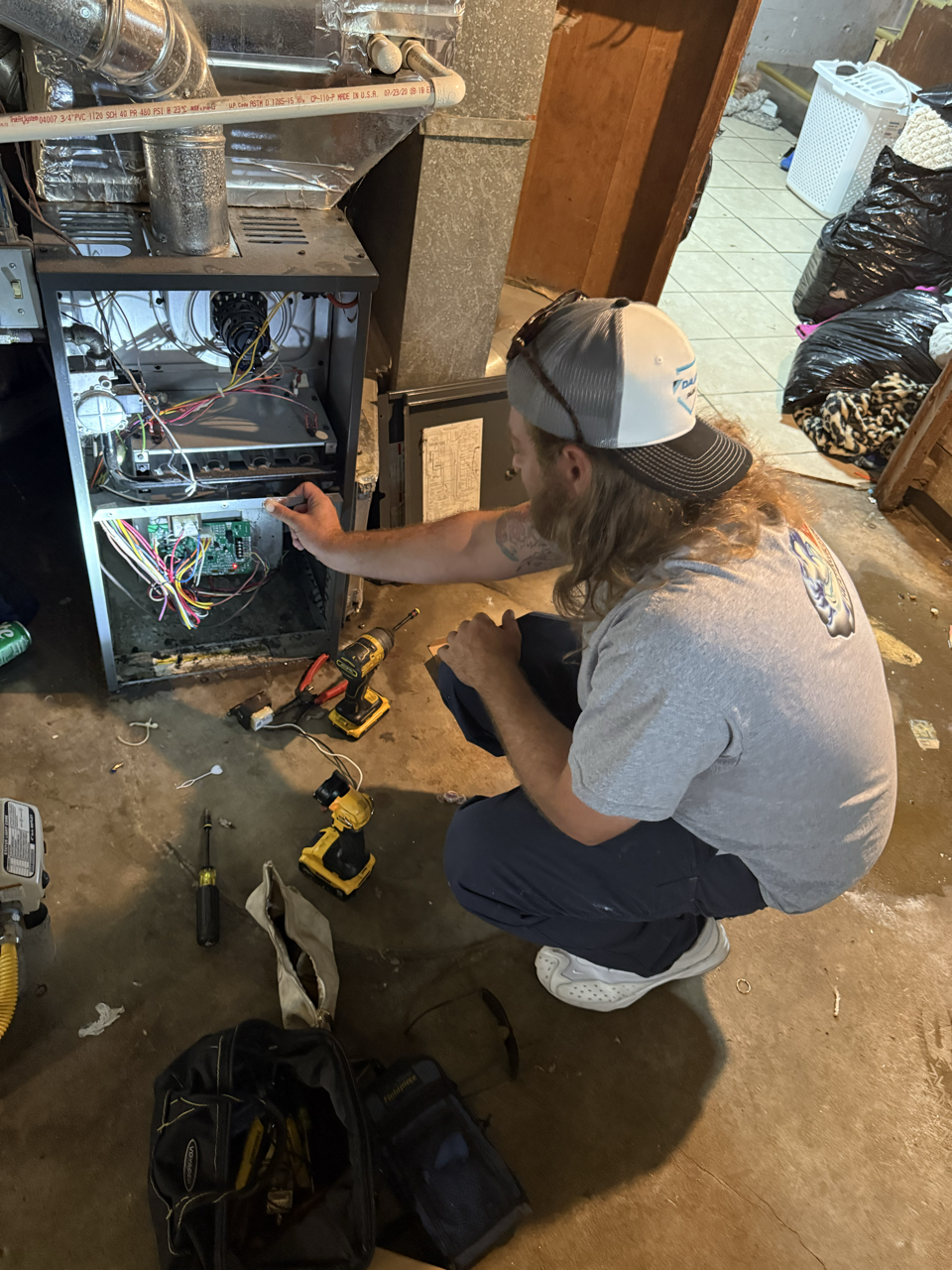
September in Taylorsville brings a welcome break from the sweltering summer heat, but if you are putting off scheduling your fall HVAC maintenance before the October rush, that crisp breeze is a warning sign. At 3D Heating and Cooling, we see this pattern every year. Mild early-fall weather creates a false sense of security for many homeowners. It is easy to open the windows, turn off the thermostat entirely, and assume your heating system will perform flawlessly the moment you need it. However, ignoring your furnace during these quiet weeks sets the stage for a stressful, uncomfortable awakening.
The concrete problem usually hits on the first unexpected freezing night of the year. You walk over to the thermostat, switch it from cooling to heating, bump up the temperature, and wait. Instead of the comforting rush of warm air, you are met with cold air blowing through the vents—or worse, absolute silence from your utility closet. By the time you realize there is a problem, hundreds of other homeowners in the area are discovering the exact same thing. Taking control of your seasonal preparation now means you avoid competing with those frantic callers later.
Proactive heating services ensure your system is ready long before the weather forces your hand. If you want to dive deeper into what these services entail, exploring professional heating services is the best place to start.
• Scheduling Flexibility — Proactive September Preparation: Pick a day and time that works for your schedule. — Reactive October Emergency: Take whatever time slot is left, often days away.
• System Condition — Proactive September Preparation: Minor wear and tear is corrected before heavy use. — Reactive October Emergency: Small issues compound into complete system failure.
• Stress Level — Proactive September Preparation: Zero. You know your home will be warm. — Reactive October Emergency: High. Family members are cold and frustrated.
The Rapid Autumn Shift in Taylorsville and Spencer County
To understand the urgency of fall maintenance, you have to look at the historical weather patterns in Taylorsville and surrounding Spencer County. This region is notorious for its rapid, unpredictable temperature swings. We do not experience a slow, gradual slide into winter. Instead, a week of pleasant, 70-degree September afternoons can rapidly shift to freezing October nights in the span of just forty-eight hours. This sudden temperature drop is the catalyst for the busiest days in the HVAC industry.
When the mercury plummets overnight, it triggers an immediate, highly predictable spike in emergency no-heat calls across the entire region. Furnaces and heat pumps that have sat dormant for six months are suddenly asked to run at maximum capacity. The systems that were neglected over the summer are the first to fail under the sudden strain.
Our service teams at 3D Heating and Cooling feel this impact instantly. Our dispatchers coordinating HVAC services in Bardstown and other neighboring communities watch our schedules evaporate overnight. A calendar that had plenty of openings on Tuesday morning is completely gridlocked by Wednesday afternoon. Waiting for the cold front to actually arrive before you test your heating system is a guaranteed way to experience severe service delays.
• The Dormancy Factor: Dust settles on ignitors and burners during the summer, which can prevent the system from firing up.
• The Sudden Load: Rapid temperature drops force systems to run continuously to catch up, stressing aging components.
• The Regional Bottleneck: Because the weather affects the entire county simultaneously, every local contractor experiences the exact same surge in demand.
Behind the Scenes: How the First Frost Floods the Dispatch Board
If you have ever wondered why it is so difficult to get a technician to your house on the first cold day of the year, pulling back the curtain on our dispatch center at 3D Heating and Cooling provides a clear answer. On a typical mild morning, our dispatch board is an orderly grid of planned maintenance, minor repairs, and scheduled installations. On the morning of the first seasonal freeze, that board descends into controlled chaos.
When the phones start ringing at 6:00 a.m., dispatchers must implement a strict triage process. Emergency calls pile up by the minute. Homes with no heat, vulnerable elderly residents, or families with infants are pushed to the top of the priority list. Because our technicians can only be in one place at a time, preventative appointments and routine check-ups become virtually impossible to book on short notice. If a system is completely dead, it takes precedence over a system that is just making a strange noise.
The logistical reality of being caller number 40 on a freezing morning is incredibly stressful. You are added to a waitlist, hoping a technician finishes an earlier job faster than expected. We want to help everyone, but there are only so many hours in the day. Understanding this operational reality is the key to avoiding the chaos entirely. By securing your spot before the weather turns, you bypass the triage list and ensure your equipment is verified safe and functional before the rush begins.


The True Cost of Waiting for an Emergency Breakdown
There is a stark contrast between the ease of early scheduling and the intense stress of an emergency breakdown during severe weather conditions. Many homeowners notice minor issues—a strange rattling sound, a faint burning smell, or a thermostat that takes too long to respond—and decide to ignore them. They assume that as long as the house is somewhat warm, the system is fine. However, in our years of servicing Taylorsville homes, we see these minor issues frequently develop into complete system failures when the equipment is stressed by sudden extreme cold.
Emergency repairs rarely happen at convenient times. They do not happen on a sunny Tuesday afternoon. They happen late in the evening, on weekends, or during severe winter storms when the equipment is working its hardest. We recently helped a local homeowner who experienced this firsthand on the coldest day of the year when their HVAC system stopped running late in the evening. While our technician showed up quickly, explained the issue, and got the system running again, sitting in a rapidly chilling house late at night is an experience most people would prefer to skip.
While our technicians work tirelessly to restore heat during these severe conditions, the wait time and the physical discomfort are entirely preventable. Comparing a Pre-Season Heating Tune-Ups vs. Waiting for a Breakdown reveals that a controlled, scheduled check-up allows technicians to spot a failing capacitor, a cracked belt, or a dirty flame sensor before it leaves you in the cold.
Securing Your September Pre-Heating Transition Window
To avoid the October dispatch bottleneck, establishing September as your critical, non-negotiable timeframe for preventative maintenance is essential. This is the "sweet spot" for scheduling. It is the brief, highly valuable period when the weather is still mild, dispatch boards are manageable, and our technicians have the time to perform deep, thorough inspections without the pressure of an emergency backlog waiting on the next line.
The U.S. Department of Energy explicitly recommends annual pre-season maintenance to maintain system efficiency, reduce monthly energy consumption, and ensure operational safety. During the September pre-heating transition, technicians can verify that your system is running cleanly and safely. This is especially vital for gas-powered systems, which require rigorous safety testing before they are sealed up in a house for the winter.
Because remembering to book this appointment every single fall can be difficult, we recommend our customers join an ongoing HVAC maintenance plan. These plans typically guarantee your spot on our calendar, ensuring this seasonal transition remains seamless year after year without you having to remember to call.
Essential Pre-Season System Checks
When a professional arrives for a pre-season tune-up, they are executing a highly specific checklist designed to prevent mid-winter failures. A proper inspection goes far beyond just turning the unit on and off.
• Inspecting and replacing dirty air filters: A clogged filter restricts airflow, forcing the blower motor to work harder and increasing the risk of the system overheating and shutting down.
• Testing ignition systems and safety controls: Technicians clean the flame sensor and verify that the burners ignite smoothly, preventing dangerous gas buildup.
• Verifying thermostat calibration: Ensuring the thermostat accurately reads the room temperature prevents the system from short-cycling or running continuously.
• Carbon monoxide safety testing: A thorough inspection of the heat exchanger ensures there are no microscopic cracks that could leak dangerous gases into your living space.
Comprehensive Care: Preparing Heat Pumps and Furnaces
The October rush does not just affect homes with traditional gas furnaces; it impacts all types of heating equipment. Whether you rely on a high-efficiency gas furnace, an electric air handler, or a modern heat pump, pre-season attention is mandatory. In our experience, homeowners with heat pumps often assume that because the system ran fine all summer for cooling, it will automatically run fine for heating. This is a dangerous misconception.
Heat pumps use a reversing valve to switch the flow of refrigerant, absorbing heat from the outside air and moving it indoors. Transitioning out of cooling mode and into heating mode requires the system to operate differently. The outdoor coil, which expelled heat all summer, now must absorb it. If the outdoor unit is clogged with summer debris, dirt, or grass clippings, it cannot effectively pull heat from the cold autumn air. This forces the compressor to work incredibly hard, driving up your energy bills and risking a major mechanical failure.
Dual-fuel systems, which pair a heat pump with a gas furnace backup, have unique pre-season requirements as well. The technician must verify that the crossover temperature point is set correctly so the gas furnace engages exactly when the outdoor temperatures drop too low for the heat pump to be efficient. Ensuring heat pump maintenance is completed before the frost arrives is just as critical for your winter comfort as it is for your summer cooling. Any system forced to work overtime during the first freeze without prior tuning is at a high risk of failure.
Protecting Your Home Before the Holiday Season Hits
Extending the timeline past October reveals the long-term consequences of procrastinating into the late fall. If a heating system is already struggling, making strange noises, or failing to reach the set temperature in October, it is highly likely to fail completely when heavily taxed during the freezing months of November and December. The closer you get to the major fall holidays, the more disruptive a breakdown becomes.
Consider the logistical nightmare of dealing with a complete HVAC replacement when you are supposed to be hosting family. Our team at 3D Heating and Cooling rescued one local family who faced this exact scenario when their 27-year-old system finally gave out right in the middle of Thanksgiving evening. While our technicians were able to come out that night, explain the options, and replace the aging system with quality work and positive attitudes, hosting a holiday dinner without heat is an incredibly stressful disruption.
Proactive September maintenance either prevents these late-fall disasters entirely or gives you enough runway to replace an aging system on your own terms. If a technician discovers a fatal flaw in your heat exchanger in September, you have weeks to research options, secure financing, and schedule a relaxed installation. Early action guarantees peace of mind when hosting family later in the season, ensuring your home remains a warm, welcoming environment.
Bypass the October Rush and Secure Your Comfort
Beating the October dispatch rush is the smartest logistical move a homeowner can make as the seasons change. By acting during the mild September window, you completely eliminate the stress of competing for emergency service on the first freezing morning of the year. You secure a convenient appointment time, verify your system is operating safely, and protect your home from unexpected breakdowns.
When it comes to scheduling your fall HVAC maintenance before the October rush, the calendar is your best tool. Do not wait for the weather to force your hand or for the dispatch boards to fill up with frantic callers. Take control of your home's comfort today. Reach out to 3D Heating and Cooling to secure your tune-up now while our schedule is still open, and enjoy the peace of mind that comes with knowing your heating system is ready for whatever the season brings.
Frequently Asked Questions
When should I schedule fall HVAC maintenance?
The ideal time to schedule fall HVAC maintenance is in September, before the first major temperature drop. Booking early ensures you get a convenient appointment slot before local dispatch boards fill up with emergency calls. It also gives you plenty of time to address any minor repairs before you actually need to rely on your heating system.
Why are HVAC wait times longer in the fall and winter?
Wait times increase drastically because sudden cold fronts cause dormant, neglected heating systems to fail all at once across the region. Dispatchers must prioritize emergency no-heat calls, especially for vulnerable residents, which pushes routine maintenance and non-emergency repairs down the schedule. This regional bottleneck causes wait times to spike from hours to days.
Why is fall the best time for furnace maintenance?
Fall is the best time because it allows technicians to clean and inspect the furnace after it has sat idle all summer, removing dust and verifying safety controls before heavy use. Checking the heat exchanger and carbon monoxide levels proactively ensures the system is safe to operate when your home is sealed up for the winter.
What happens during a heating tune-up?
During a heating tune-up, a technician inspects and cleans internal components, tests safety controls, and verifies the ignition sequence. They will check the heat exchanger for cracks, calibrate the thermostat, measure electrical draws on motors, and replace clogged air filters to ensure optimal airflow and efficiency.
How does the first freeze impact HVAC dispatch times?
The first freeze triggers an immediate flood of emergency calls from homeowners discovering their heat won't turn on. This surge forces HVAC companies to shift into a triage mode, prioritizing total system failures over routine check-ups. Consequently, dispatch times for non-emergencies stretch out significantly as technicians work through the backlog.
Can a September tune-up prevent a winter furnace breakdown?
Yes, a September tune-up is highly effective at preventing mid-winter breakdowns by catching minor wear and tear before it escalates. Replacing a weak capacitor or cleaning a dirty flame sensor in the fall prevents those specific components from causing a complete system shutdown when the furnace is working its hardest in January.
Financing

Now Offering Financing Options with Affordable Monthly Payments
where we operate
Service Areas
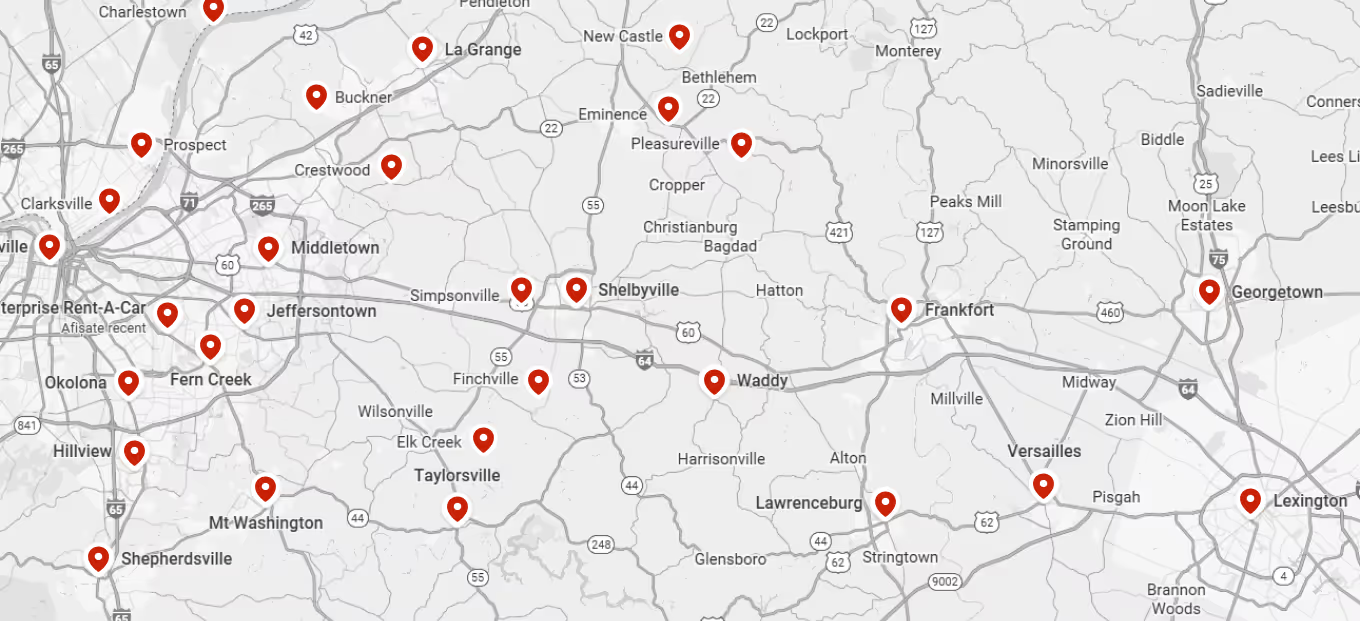
Proudly serving Spencer county, Jefferson county, Bullitt county, and the surrounding areas
Short Heading Goes Here
Sed iaculis aenean sit sed risus arcu vitae integer elit.

