



5 min read
HVAC Near Me: Common Homeowner Questions Answered for Fall Furnace Startups
The First Chilly Night: Navigating Your Furnace Startup
You have finally turned off the air conditioner as the temperatures drop, but when you switch on your heating system for the first time, you are immediately hit with a burning odor and unsettling noises—leaving you searching for common homeowner questions answered to figure out if your house is actually safe. At 3D Heating and Cooling, our team fields dozens of frantic calls every October from residents dealing with these exact concerns. That sudden, intense smell during a mid-fall heating startup is enough to make anyone anxious. Is the system just burning off a summer's worth of settled dust, or are you facing a serious electrical hazard? Guessing isn't an option when your family's well-being is on the line.
Whether you need comprehensive professional HVAC services to evaluate a strange odor or reliable heating services to restore your warmth, getting a professional diagnosis from our experienced technicians is always the safest route.
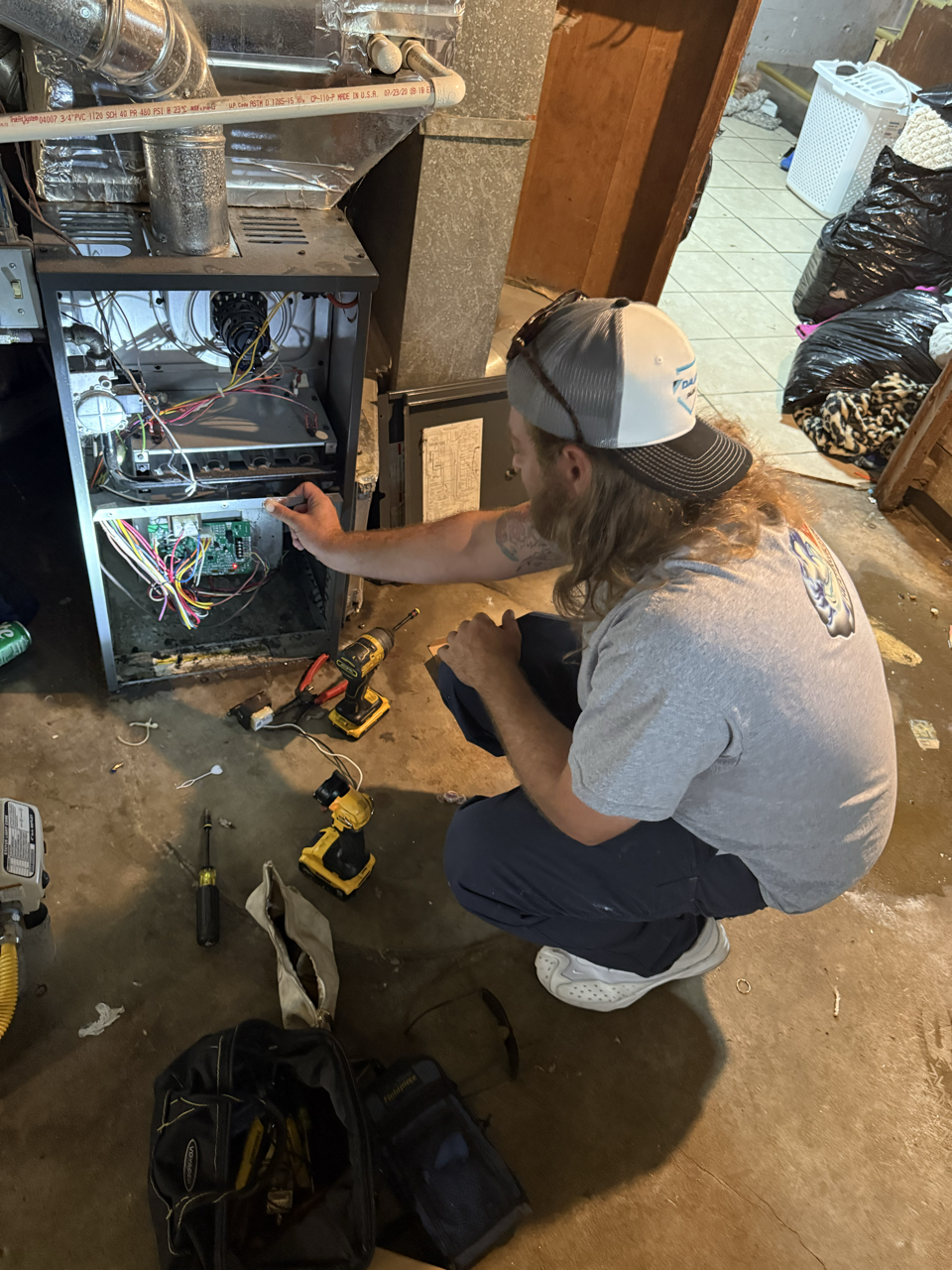
Turning on the furnace after months of dormancy is a significant transition for your home's mechanical systems. Components that have sat idle are suddenly subjected to intense heat and rapid movement. This abrupt change almost always produces some sensory feedback, usually in the form of strange smells or minor clicks. However, knowing the difference between a harmless seasonal quirk and a dangerous mechanical failure is critical. This guide, based on our years of field experience, will walk you through exactly what to expect, what to ignore, and what requires immediate professional attention.
Why That Initial Burning Smell Happens (The Humidity Factor)
The most frequent cause of concern during the transition into colder weather is the distinct, almost dusty burning smell that fills your home shortly after the thermostat clicks on. To understand why this happens, you have to look at what your system has been doing all summer.
The Science of Dust Accumulation
Even if you diligently change your air filters, microscopic dust particles, pet dander, and airborne debris constantly circulate through your ductwork. While the furnace sits idle, this debris settles directly onto the heat exchanger—the metal component that gets incredibly hot to warm the air passing over it.
In our years of serving Taylorsville KY and Spencer County, our technicians have seen firsthand how the local climate plays a major role in this process. Kentucky's high summer relative humidity, often exceeding 70%, changes the nature of household dust. Instead of remaining dry and loose, the moisture in the air causes the dust to become slightly tacky. This sticky dust adheres strongly to the dormant metal components of your heating system, and the heavy moisture can even cause mild surface oxidation on older units.
When you transition from cooling season to heating season, the heat exchanger fires up for the first time. It rapidly reaches hundreds of degrees, literally incinerating the baked-on layer of summer dust. The resulting smoke is pulled into your ventilation system and distributed into every room of your house.
What to expect:
• The scent: It typically smells like a hot, dusty radiator or a slightly singed piece of cloth.
• The duration: This normal burn-off should only last for one to two hours, or roughly one complete heating cycle.
• The solution: Open a few windows to ventilate the house while the system runs. The smell will dissipate naturally as the heat exchanger is cleared of debris.
It is worth noting that your indoor blower motor works year-round if you have central air. If you recently relied on our team for air conditioning repair and installation, our technicians may have already cleared some internal dust, but the heat exchanger itself will still require this natural burn-off phase.
Harmless Odors vs. Electrical Emergencies: When to Worry
While a dusty smell is standard during a mid-fall October heating startup, other odors are massive red flags. Your nose is one of the best diagnostic tools you have. Knowing how to categorize these smells can save you from severe property damage or health risks.
The National Fire Protection Association (NFPA) strongly recommends annual inspections of residential heating equipment specifically to prevent fire hazards that often begin with these warning signs.
Identifying Dangerous Smells
• Hot, dusty radiator — Likely Cause: Normal dust burn-off from summer accumulation. — Required Action: Wait 1-2 hours. Open windows for ventilation.
• Melting plastic or burning wire — Likely Cause: Failing electrical components, melted wire casing, or an overheated blower motor. — Required Action: Shut off the system immediately at the thermostat and breaker. Call a professional.
• Sharp, metallic ozone — Likely Cause: Electrical arcing or a failing furnace motor. — Required Action: Shut off the system immediately. Do not attempt to run it again.
• Rotten eggs or sulfur — Likely Cause: A natural gas leak. Utilities add a chemical called mercaptan to make gas detectable. — Required Action: Evacuate the home immediately. Call 911 and your gas provider from outside.
Our team recently helped a local homeowner who experienced a terrifying situation during a fall cold snap when their carbon monoxide detectors kept going off unexpectedly. Our emergency diagnostic revealed a severely cracked heat exchanger—a highly dangerous issue that allows exhaust gases to mix with breathing air. We promptly removed the unsafe equipment and safely installed a complete new system, which highlights why we always advise our customers to never ignore persistent warning signs.
If a dusty smell persists beyond the first few hours, or if you detect any hint of electrical burning, you need an expert evaluation. Having access to a contractor like 3D Heating and Cooling with 24/7 emergency availability provides immense relief when an unfamiliar odor turns out to be a hazardous electrical issue late at night. You do not have to wait until morning to ensure your home is safe.


Decoding Strange Furnace Noises During Startup
Just as smells can indicate trouble, unusual noises are your system's way of crying out for help. A heating system relies on a complex sequence of mechanical and electrical events to operate safely. When one part of that sequence falls out of alignment, the resulting friction or pressure creates distinct sounds.
We often hear from homeowners in Taylorsville KY and Spencer County who notice these sounds most acutely during the quiet hours of the early morning when the system kicks on to fight off the overnight frost.
Mechanical Warning Signs You Shouldn't Ignore
Loud Booming or Banging: A deep boom when the furnace turns on is a serious issue known as delayed ignition. This happens when the gas valve opens, but the igniter fails to light the gas immediately. Gas builds up inside the combustion chamber until it finally catches, creating a miniature explosion. This concussive force can crack the heat exchanger over time. If you hear a boom, shut the system down.
High-Pitched Squealing: A continuous, shrill squeal usually points to an issue with the blower motor. In older belt-driven models, this means the fan belt is slipping or fraying. In newer direct-drive systems, a squeal indicates that the motor bearings have lost their lubrication and are drying out. In our experience, ignoring this sound will eventually lead to the motor seizing up completely.
Metal-on-Metal Grinding: If the squealing progresses to a harsh grinding noise, the bearings have likely failed completely. The metal components of the motor are now scraping against each other. This creates immense heat and electrical draw, often tripping your circuit breaker.
Rattling and Vibrating: While a minor rattle might just be a loose cabinet door, heavy vibrating can mean the blower wheel has become unbalanced. If a small weight falls off the wheel, it will wobble violently, eventually tearing itself apart.
The golden rule of HVAC noises: Never attempt DIY repairs on mechanical issues. Opening the cabinet exposes you to high-voltage electricity and combustible gas lines. Always rely on a licensed technician to disassemble and diagnose internal components.
How to Evaluate Emergency HVAC Services
Once you have determined that your startup smells or sounds are not normal, the next step is finding the right professional to fix them. When the temperature is dropping rapidly, you might feel pressured to hire the first company that answers the phone. However, choosing a reliable contractor ensures the job is done safely and correctly the first time.
During a severe winter freeze, our dispatchers took a call from a homeowner who found themselves without heat late in the evening on the coldest day of the year. Our rapid emergency response allowed our technicians to diagnose the exact electrical issue and get the system back up and running quickly, avoiding a freezing night and bypassing the need for a full system replacement.
Checklist for Hiring a Reliable Local Pro
• Verify 24/7 emergency dispatch: Heating failures don't respect regular business hours. Ensure the company actually answers their phones and dispatches technicians late at night or on weekends, especially during dangerous cold snaps.
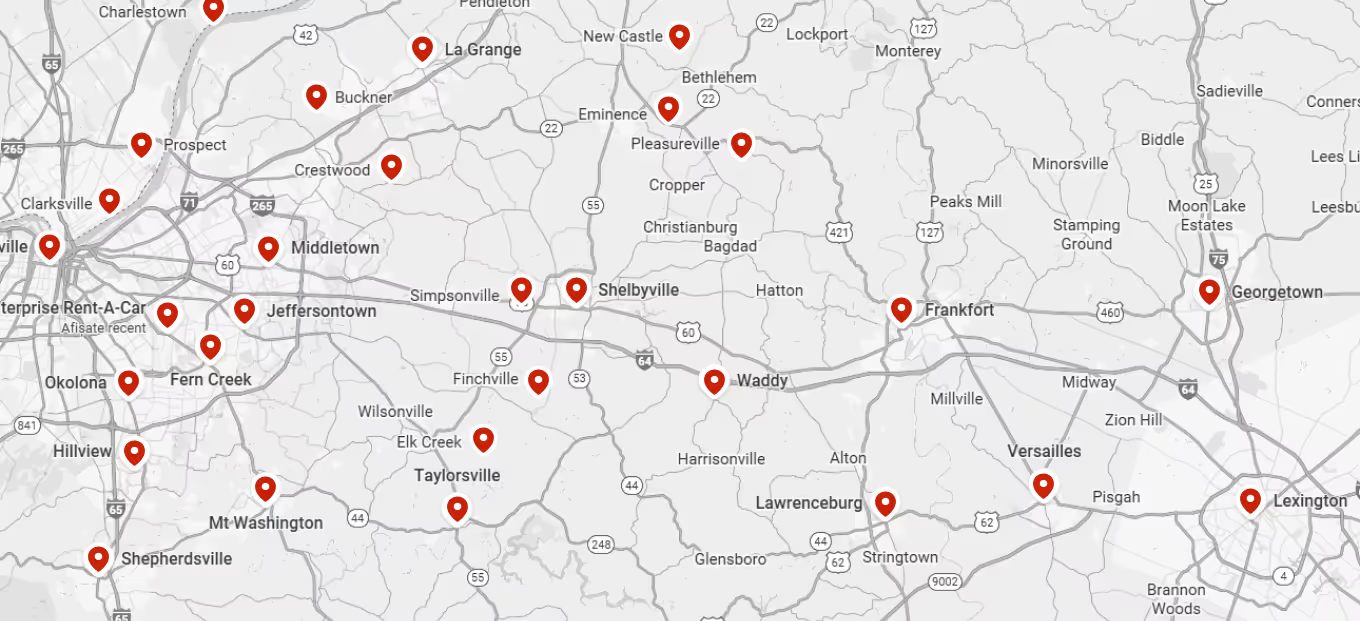
• Check the service area footprint: A contractor with extensive local coverage is more likely to have a technician nearby when you need them. Whether you need HVAC services in Crestwood or immediate help closer to home, local routing matters.
• Look for comprehensive diagnostics: A reputable technician won't just patch a symptom; they will perform a full diagnostic to find the root cause. If a motor burned out, they should explain why it burned out, not just swap the part.
• Read recent, local reviews: Look for patterns in customer feedback. Do reviewers mention punctuality, clean work areas, and clear communication? For more detailed guidance, reading up on choosing an HVAC company in Taylorsville can help you spot the hallmarks of a trustworthy business.
• Confirm proper licensing: Never allow an unlicensed handyman to work on gas-fired appliances. The risk of carbon monoxide leaks or electrical fires is too high.
A professional diagnostic visit provides clarity. Even if the issue turns out to be minor, knowing that a trained expert has verified your system's safety is invaluable during a mid-fall October heating startup.
Comprehensive FAQ: Common Homeowner Questions Answered
When the weather turns cold, homeowners across Taylorsville KY and Spencer County tend to have the same urgent concerns. We have compiled the most frequent questions regarding fall heating startups to give you clear, actionable answers.
Is it normal for my furnace to smell like burning dust?
Yes, for the first one to two hours of operation, a dusty burning smell is completely normal. This is caused by airborne dust, pet dander, and household debris accumulating on the internal heat exchanger over the long summer months. When the burners ignite for the first time, they rapidly heat up the metal plates, literally incinerating that layer of settled dust. The resulting odor is pulled into your ductwork and pushed into your living spaces. Opening a few windows during this initial cycle will help clear the air quickly.
How long should a furnace smell like burning dust?
The normal dust burn-off smell typically dissipates within a few hours, or roughly one to two complete heating cycles. The exact time can vary slightly depending on how much dust accumulated during the summer and how long the system runs during its first cycle. However, if the dusty smell lasts longer than a single day, or if it suddenly returns weeks after the initial startup, you should shut off the system. Persistent odors indicate that the system is either overheating or that a clogged filter is restricting airflow.
What does a bad furnace smell like?
A bad furnace smell usually resembles melting plastic, burning electrical wires, a sharp metallic ozone scent, or rotten eggs. If you smell melting plastic or ozone, a motor is likely overheating, or wire insulation is melting away, creating a severe fire hazard. If you smell rotten eggs or sulfur, you are dealing with a natural gas leak. Utility companies add this distinct odorant to natural gas specifically so you can detect a leak. In the event of a sulfur smell, evacuate the house immediately and call emergency services.
When should I call an HVAC contractor near me for furnace smells?
You should call a local HVAC contractor immediately if you smell gas, burning plastic, or electrical melting, as these represent imminent safety hazards. You should also schedule a service call if the standard dusty burn-off smell persists beyond the first day of use. Do not ignore your instincts; if an odor gives you a headache, makes you feel nauseous, or simply feels wrong, shut the system down at the thermostat and request a professional diagnostic from our team. It is always better to be cautious with combustion appliances.
What furnace noises require an immediate repair?
Loud booms, heavy metal-on-metal grinding, and continuous high-pitched squealing all require immediate professional repair. A loud boom indicates delayed ignition, meaning gas is pooling before igniting, which can crack the heat exchanger and release carbon monoxide. Grinding sounds mean a motor's bearings have completely failed, and continuing to run the system will destroy the motor and potentially cause an electrical short. Squealing usually points to a failing belt or dry bearings that are on the verge of seizing. None of these issues will resolve themselves.
Secure Your Comfort Before Winter Arrives
Navigating a mid-fall October heating startup doesn't have to be a stressful experience. By understanding the science behind that initial dusty smell and knowing exactly which odors and noises require immediate action, you can protect your home and your family.
The transition into winter should be about enjoying a cozy, warm environment, not worrying about the mechanical integrity of your equipment. Proactive inspections are always safer and more cost-effective than waiting for a complete breakdown in the middle of a freezing night. If your system is making strange noises, emitting persistent smells, or simply hasn't been checked by a professional this year, take action now. Schedule a comprehensive evaluation with 3D Heating and Cooling to ensure your heating system operates safely, efficiently, and reliably all season long. You may even qualify for federal tax credits or utility incentive programs when upgrading to qualifying high-efficiency equipment—be sure to verify current programs with your utility provider or a tax professional.
Financing

Now Offering Financing Options with Affordable Monthly Payments
where we operate
Service Areas
Proudly serving Spencer county, Jefferson county, Bullitt county, and the surrounding areas
Short Heading Goes Here
Sed iaculis aenean sit sed risus arcu vitae integer elit.

