



5 min read
HVAC Near Me: Common Homeowner Questions Answered About Fall Furnace Startups
Is That Burning Smell Normal? Navigating Your First Fall Heating Cycle
Is that strange burning smell coming from your vents normal, or are you looking at a serious safety hazard? When it comes to common homeowner questions answered during the transition into autumn, few topics cause as much immediate anxiety as the sensory experience of turning on your furnace for the first time. At 3D Heating and Cooling, our team routinely fields concerned calls as soon as the October first cold snap hits our region, when many homeowners notice a distinct odor of burning dust and hear sudden mechanical sounds that haven't been present since last winter. You are faced with a crucial decision point: determining if these symptoms are just harmless seasonal settling or a mechanical hazard that requires a professional technician. In this guide, we will break down exactly what to look for, listen for, and smell for when starting your heating system, ensuring you can navigate the seasonal shift with confidence. Before you panic, it helps to understand how your system operates. For more information on maintaining your equipment, explore our comprehensive guide on HVAC systems and services.
Why Does My Furnace Smell Like Burning Dust?
The most frequent cause for alarm during the early days of autumn is a distinct, sometimes overwhelming smell of burning dust permeating the house. This odor is incredibly common in Taylorsville KY area homes, and our technicians always tell customers that understanding the science behind it can provide immediate peace of mind. Throughout the long, idle summer months, your furnace sits completely inactive. During this downtime, airborne particulates, pet dander, lint, and common household dust naturally settle onto the internal components of your heating system, most notably the heat exchanger.
When the thermostat finally calls for heat, the ignition sequence begins, and the burners fire up. The heat exchanger rapidly reaches high temperatures, and any debris resting on its surface is immediately incinerated. This burn-off process creates the recognizable dusty, slightly smoky odor that travels through your ductwork and out of your vents. It is a standard part of the seasonal transition and happens in almost all residential systems, regardless of whether your unit is brand new or decades old. If you also utilize heat pumps for your climate control needs, you might notice similar seasonal shifts. For specialized care, you can learn more about professional heat pump services.
The Impact of Summer Humidity on Heating Elements
In our years of servicing HVAC units across this specific climate, we've noticed this phenomenon is often more pronounced locally. Taylorsville's hot, humid summers create an environment where moisture in the air can mix with airborne particulates. When this slightly damp air circulates through a dormant furnace cabinet, it leaves behind a mildly sticky film on the idle heating components. This sticky surface acts like a magnet for dust, resulting in a significantly heavier particulate load than you might find in a drier, more arid climate. Consequently, when October arrives and you initiate that first heating cycle, there is simply more material to burn off, making the resulting odor much more noticeable.
How Long Should the Startup Smell Last?
While a burning dust smell is entirely normal, it should never be a permanent fixture in your home. Establishing a clear timeline is essential for distinguishing between a harmless seasonal burn-off and a persistent mechanical issue.
1. Observe the initial cycle: When you first turn on the heat, pay close attention to the clock. The standard burn-off process is relatively quick. Normal dust odors should begin to dissipate within the first one to two heating cycles.
2. Monitor the duration: In most residential systems, this translates to roughly thirty to sixty minutes of active run time. As the system continues to cycle warm air, the smell should noticeably fade.
3. Ventilate the space: To help clear the initial odor more rapidly, you can briefly open a few windows or run ceiling fans. This simple observation technique helps you determine if the smell is lingering or actually clearing out.
4. Draw a firm line: If the burning smell persists beyond the first day of use, or if it returns every time the furnace kicks on throughout the week, it crosses the line from a simple observation into a professional concern.
Persistent odors indicate that the system is not just burning off summer dust, but potentially overheating, burning a failing component, or struggling with severe airflow restrictions. Most importantly, you should never attempt to mask a persistent furnace odor with air fresheners, scented candles, or plug-in deodorizers. Masking the scent only hides the symptom of a larger problem. If the timeline stretches beyond that initial hour of operation, it is time to stop diagnosing the issue yourself and call in a licensed HVAC technician to inspect the system.


Are Furnace Startup Noises Normal After a Long Summer?
Just as your sense of smell will be activated during the October first cold snap, your ears will likely pick up on a variety of mechanical sounds that have been absent for months. A prolonged summer idle period affects the belts, motors, bearings, and sheet metal within your HVAC system. When these components are suddenly called into action, the initial startup is almost always slightly louder than a mid-winter cycle.
It is important to differentiate between the normal sounds of thermal expansion and the alarming noises of mechanical failure.
• Normal — Symptom Description: Minor clicking during the initial sequence — Underlying Cause: The thermostat communicating with the ignition system and the gas valve opening. — Action Required: None. This is standard operation.
• Normal — Symptom Description: Popping or pinging from the walls or vents — Underlying Cause: Ductwork expanding and contracting as warm air rapidly changes the temperature of the cold metal. — Action Required: None. Harmless thermal expansion.
• Abnormal — Symptom Description: Loud banging or a small "boom" upon startup — Underlying Cause: Delayed ignition. Gas builds up in the combustion chamber before igniting all at once. — Action Required: Turn off system. Call a professional immediately.
• Abnormal — Symptom Description: Screeching or continuous high-pitched squealing — Underlying Cause: A failing blower motor bearing or a severely worn and slipping fan belt. — Action Required: Schedule a repair service to prevent motor failure.
• Abnormal — Symptom Description: Harsh, metallic grinding sounds — Underlying Cause: Metal-on-metal friction, often indicating a broken internal component or detached blower wheel. — Action Required: Turn off system immediately to prevent severe damage.
Delayed ignition is particularly concerning. That loud bang is actually a small explosion inside the furnace cabinet. Over time, these concussive forces can severely damage the heat exchanger, turning a repairable mechanical issue into a dangerous safety hazard. If you hear anything resembling a boom, screech, or grind, professional intervention is mandatory.
Dangerous Odors and Sounds: When to Call for Emergency HVAC Service
While the smell of burning dust is harmless, there are specific sensory red flags that require immediate professional intervention. Knowing exactly when to shut down your system and call for help is crucial for protecting your property and your family. If you detect the sharp, acrid smell of burning plastic or the distinct odor of electrical ozone, you are likely dealing with melting wire insulation or a failing electrical component. Similarly, the unmistakable rotten egg smell of mercaptan indicates a natural gas leak. In any of these scenarios, the strict non-DIY rule applies: never attempt to open the furnace cabinet, inspect the wiring, or diagnose gas components yourself. Shut the system down and seek immediate help.
When safety is on the line, having a reliable contractor with 24/7 emergency availability and rapid dispatch times means you never have to wait in uncertainty. Our emergency response team recently helped a local homeowner who experienced this firsthand during the fall season when their carbon monoxide detectors suddenly kept going off. The situation was an emergency safety issue, but our rapid professional response uncovered a severely cracked heat exchanger. The technician safely condemned the dangerous unit and quickly replaced the old system with a brand new furnace and AC, resolving the hazard completely. If you suspect an emergency in your neighborhood, it helps to know your local service areas so you can get a team dispatched immediately.
Recognizing the Signs of a Cracked Heat Exchanger
The most dangerous hazards are often the ones you cannot see or smell. A cracked heat exchanger allows carbon monoxide (CO)—an invisible, odorless gas—to escape the combustion chamber and enter your home's breathing air. Because human senses cannot detect CO, carbon monoxide detectors serve as your ultimate fail-safe. However, you should never wait for an alarm to sound. Professional diagnostics utilize specialized combustion analysis tools and visual inspection cameras to quickly identify invisible hazards like microscopic cracks in the metal, long before they trigger a detector in your hallway.
The Value of Proactive Fall Maintenance
The most effective way to transition from reactive worry to proactive peace of mind is through professional preventative maintenance. Instead of waiting for the first freezing night to discover a problem, scheduling an annual pre-season HVAC inspection ensures your system is safe, clean, and ready for the heavy workload ahead. The Environmental Protection Agency (EPA) strongly recommends routine heating checks not just for efficiency, but to prevent carbon monoxide hazards and improve overall indoor air quality.
During a comprehensive tune-up, a licensed technician thoroughly cleans the internal components, effectively removing the heavy buildup of summer dust and debris from the heat exchanger. By proactively cleaning the system, the technician mitigates that alarming burning dust smell entirely, allowing your first heating cycle to be smooth and odor-free. Furthermore, they will test the ignition sequence, lubricate moving parts, and inspect all electrical connections to prevent those screeching and grinding noises from ever developing.
Proactive care is the best defense against major breakdowns, especially during peak holiday periods or severe weather events when you need reliable warmth the most. For example, our 3D Heating and Cooling team responded to another local customer who faced a dire situation one fall when their 27-year-old heating system completely failed right in the middle of Thanksgiving evening. Fortunately, one of our emergency technicians arrived that same night, walked them through their options, and replaced the aging equipment with a quality new installation. While emergency help is always available, routine care dramatically reduces the chances of experiencing a sudden failure during a family gathering. To keep your system running smoothly year-round, consider exploring preventative maintenance plans designed to catch minor wear and tear before it becomes a major disruption.
Choosing the Right Local Expert for Peace of Mind
When it comes time to schedule your pre-season inspection or address a sudden startup issue, not all contractors provide the same level of security. Evaluating local HVAC professionals requires looking beyond basic availability and focusing on reliability, verified licensing, and deep local roots. Establishing a relationship with a trusted contractor before an emergency strikes is one of the smartest moves a homeowner can make.
• Verified Licensing and Insurance: Always ensure the team you hire holds the proper state licenses and comprehensive insurance. This protects your property and guarantees that the technicians have met rigorous training standards for handling high-voltage electricity and combustible gases safely.
• Emergency Readiness: The first major cold snap of the year always brings a sudden, widespread spike in residential heating demand. You need a contractor with the infrastructure and fleet size to maintain rapid response times, even when the entire region is turning on their furnaces simultaneously.
• Local Climate Expertise: A team that understands local building codes and regional climate demands will properly calibrate your system to handle the specific humidity and temperature swings common to Taylorsville KY area homes.
• Transparent Communication: Look for professionals who take the time to explain their findings clearly, offering solutions rather than high-pressure sales tactics.
If you want to know exactly how to vet a company for your home, read more about what Taylorsville residents should look for in an HVAC company. Building a connection with a dependable local expert ensures that you always have a reliable partner ready to protect your home's comfort and safety.
Frequently Asked Questions About Fall Heating Startups
Why does my heater smell like burning dust?
Your heater smells like burning dust because airborne particulates naturally settle on the heat exchanger during the long, idle summer months. When you turn on the furnace for the first time in the fall, the heat exchanger rapidly warms up and incinerates this accumulated debris. This burn-off process creates a temporary, dusty odor that travels through your vents, which is a completely normal part of the seasonal transition.
How long should a furnace smell when first turned on?
A normal dust burn-off smell should typically last for one to two heating cycles, which equates to roughly 30 to 60 minutes of active operation. You can help clear the odor by briefly opening a window or running a ceiling fan to increase ventilation. If the burning smell persists beyond the first day of use, it is no longer considered normal and requires a professional evaluation.
What furnace noises are dangerous?
Dangerous furnace noises include loud banging or booming upon startup, metal-on-metal scraping, and continuous high-pitched squealing. A loud bang usually indicates delayed ignition, where gas builds up before igniting, which can severely damage the heat exchanger over time. Scraping or squealing points to failing motor bearings or broken internal components that require immediate professional repair to prevent total system failure.
Should I be worried if my furnace smells like burning plastic?
Yes, you should be highly concerned if your furnace smells like burning plastic or electrical ozone. Unlike the harmless smell of burning dust, a plastic or chemical odor strongly suggests melting wire insulation, an overheating electrical component, or a failing motor. If you detect this scent, turn off your heating system immediately at the thermostat and contact a licensed HVAC technician for an emergency inspection.
When should I schedule fall furnace maintenance?
You should ideally schedule your fall furnace maintenance in early autumn, well before the October first cold snap triggers sudden, widespread heating demand. Proactive scheduling ensures your system is thoroughly cleaned, safely inspected, and operating efficiently before freezing temperatures arrive. A pre-season tune-up also clears off summer dust buildup, preventing the initial burning smell altogether and drastically reducing the risk of mid-winter breakdowns.
Schedule Your Pre-Season Inspection With a Trusted Local Team
Navigating your first fall heating cycle doesn't have to be a stressful experience. By understanding the clear differences between harmless dust burn-off and genuine mechanical hazards, you can approach the changing seasons with confidence. True peace of mind comes from knowing that your equipment has been professionally evaluated, allowing you to bypass dangerous DIY diagnostics entirely. If you want a clear, reassuring breakdown of your system's health, do not wait for the freezing weather to arrive. Schedule a comprehensive fall inspection with our trusted local experts today, and ensure your home remains safe, warm, and comfortable all winter long.
Financing

Now Offering Financing Options with Affordable Monthly Payments
where we operate
Service Areas
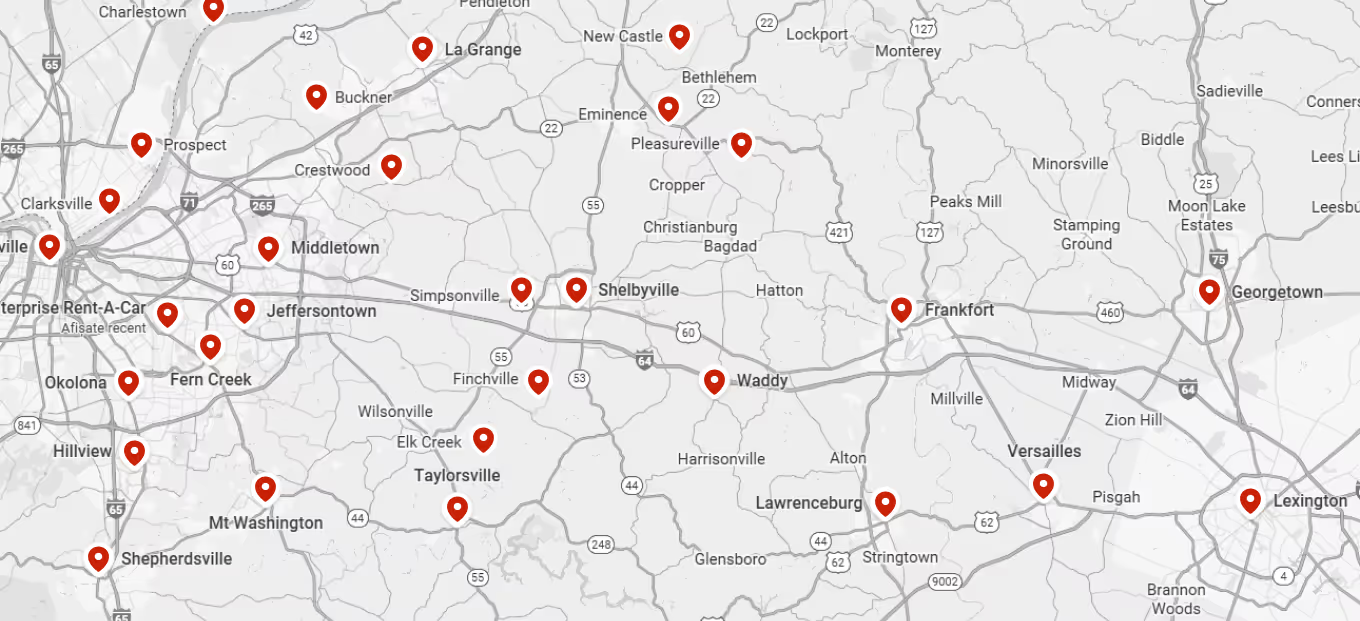
Proudly serving Spencer county, Jefferson county, Bullitt county, and the surrounding areas
Short Heading Goes Here
Sed iaculis aenean sit sed risus arcu vitae integer elit.

