



5 min read
How Fluctuating September Temperatures Stress Your HVAC System's Blower Motor
The Hidden Mechanical Cost of Early Fall's Unpredictable Weather
Summer in Kentucky is winding down, but understanding how fluctuating September temperatures stress your HVAC system's blower motor is critical before the first frost hits. Early fall often feels like a welcome reprieve from the relentless heat of August, tricking many homeowners into believing their climate control equipment is finally getting a well-deserved break. However, this transition period is actually one of the most mechanically demanding times of the year for your equipment.
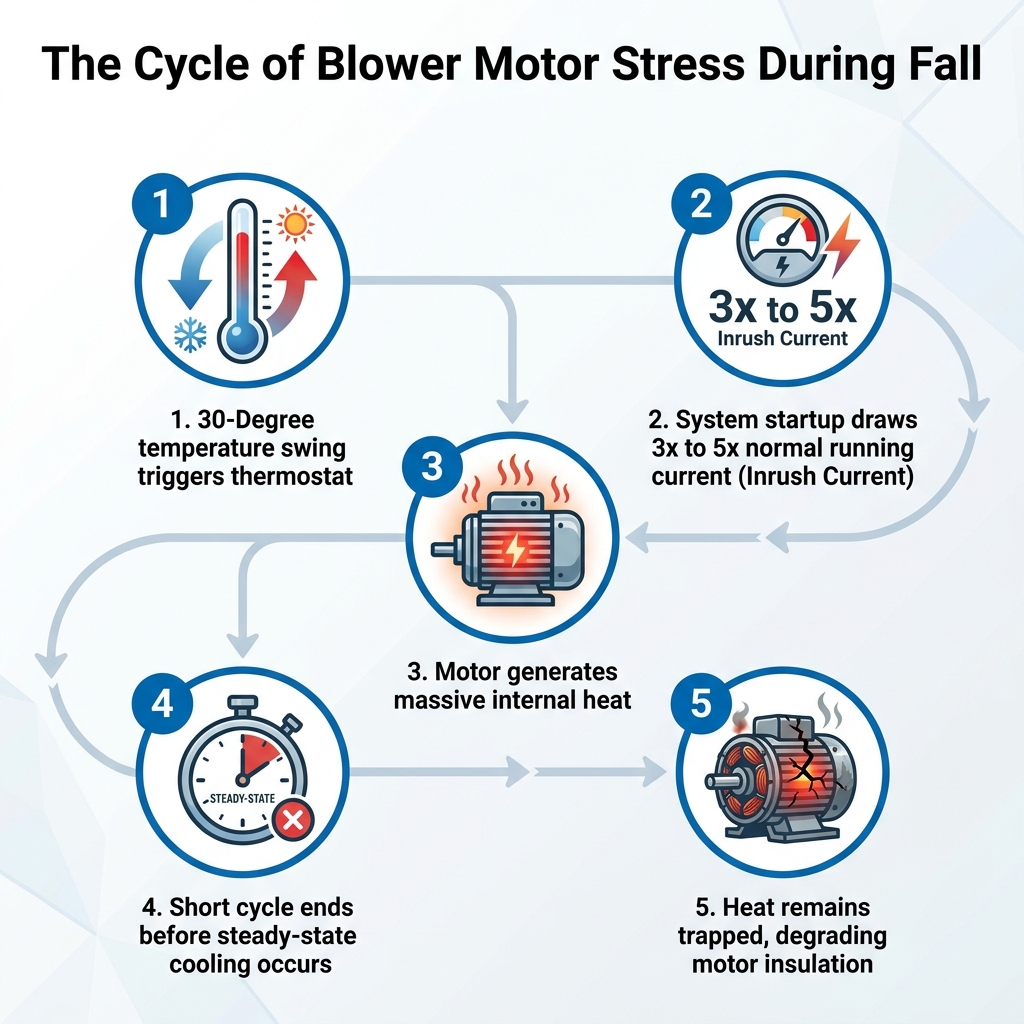
When you experience a September transition with 30-degree daily swings, your heating system and cooling components are forced into a chaotic pattern of rapid starting and stopping. This erratic behavior takes a severe toll on the internal mechanics of your blower motor. The rapid shift from hot, sunny afternoons to chilly, crisp evenings forces the system to constantly recalibrate, leading to intense mechanical stress that silently degrades the motor's lifespan. Recognizing this hidden cost and scheduling a professional inspection is your best defense against unexpected, catastrophic breakdowns just as the harsh winter weather arrives.
How 30-Degree Temperature Swings Trigger Rapid Short-Cycling
The Problem: In the Taylorsville KY region, the early fall climate is notoriously unpredictable. It is incredibly common to see September highs pushing into the mid-80s during the afternoon, only to plummet into the low 50s by nightfall. While humans can adapt by simply opening a window or putting on a sweater, your thermostat is locked into a rigid set of parameters. When the indoor temperature fluctuates wildly alongside the outdoor air, the thermostat reacts by constantly signaling the equipment to turn on and off in rapid succession.
The Cause: This environmental whiplash leads directly to a phenomenon known as furnace short cycling. Short-cycling occurs when the system turns on, runs for a very brief period, and then shuts down before completing a full, efficient heating or cooling cycle. Because the ambient temperature is hovering so close to the thermostat's set point, the system only needs a few minutes of operation to satisfy the immediate demand. However, a few hours later—or sometimes mere minutes later—the temperature shifts just enough to trigger another brief cycle.
The Solution: At 3D Heating and Cooling, our deep understanding of Kentucky's unpredictable fall weather allows us to identify exactly how these local climate patterns uniquely impact residential components. We know that while your home may feel perfectly comfortable to you, the equipment is actually working overtime behind the scenes. Addressing this requires a professional evaluation to adjust system parameters, ensuring the equipment runs in longer, healthier cycles rather than damaging, incomplete bursts.
The Danger of Inrush Current: Why Startup is the Hardest Part
To truly understand how fluctuating September temperatures stress your HVAC system's blower motor, you have to look at the physics of electrical motors. The most mechanically taxing moment for any HVAC component is not running for hours on end; it is the initial fraction of a second when the motor first turns on. Overcoming physical inertia to get a heavy metal blower wheel spinning requires a massive, immediate surge of electricity.
This massive power draw is known as "inrush current." When the thermostat signals the system to start, the electric motor consumes anywhere from three to five times its normal running current just to get moving. If your system is running a long, steady cycle, it only has to endure this massive electrical spike once. But during a September transition with 30-degree daily swings, short-cycling forces the motor to endure this violent surge of inrush current dozens of times a day. Every single time that massive energy draw occurs, it generates a significant amount of heat within the motor's internal copper windings.
Understanding the Thermal Impact on Motor Components
The heat generated by constant inrush current doesn't just vanish; it accumulates deep within the motor assembly. Blower motors rely on a delicate layer of specialized electrical insulation coating their internal copper wires. This insulation is designed to withstand normal operating temperatures, but it is highly vulnerable to the repeated, compounding thermal spikes caused by short-cycling.
As the motor starts and stops repeatedly, the internal temperature spikes higher and higher. Over time, this extreme heat bakes the electrical insulation, causing it to become brittle, crack, and eventually degrade entirely. Once that protective insulation breaks down, the raw copper wires touch, creating an electrical short. This leads to blown fuses, tripped breakers, and ultimately, permanent motor failure that requires a complete replacement.
Why Steady-State Operation is Crucial for Motor Cooling
Blower motors are ingeniously designed to cool themselves, but they can only do so under the right operating conditions. When a system runs normally, it enters what is called "steady-state operation." During a prolonged cycle, the large volume of air being pulled through the return ducts and pushed over the motor housing physically extracts the heat generated during the initial startup. The longer the motor runs, the cooler and more stable its internal temperature becomes.
Short-cycling completely disrupts this thermodynamic balance. When the system shuts down after just a few minutes, the motor never reaches steady-state operation. The massive heat generated by the inrush current remains trapped inside the heavy metal housing, slowly cooking the internal components. Because the fan has stopped spinning, there is no airflow to dissipate the thermal load. By the time the motor starts to naturally cool down, the fluctuating Taylorsville KY region weather triggers another short cycle, stacking new heat on top of the old heat.
• Cycle Duration — Steady-State Operation (Healthy): 15 to 20+ minutes per cycle — Short-Cycling (Damaging): 3 to 5 minutes per cycle
• Inrush Current Events — Steady-State Operation (Healthy): Minimal (1-2 times per hour) — Short-Cycling (Damaging): Excessive (6-10+ times per hour)
• Heat Dissipation — Steady-State Operation (Healthy): Excellent; sustained airflow cools motor — Short-Cycling (Damaging): Poor; heat remains trapped in housing
• Insulation Wear — Steady-State Operation (Healthy): Normal, gradual aging over years — Short-Cycling (Damaging): Accelerated thermal degradation

Identifying the Symptoms of an Overheating Blower Motor
Because the blower motor is hidden away inside your air handler or furnace cabinet, you cannot visually inspect it for heat damage. However, an overheating motor will usually present several clear warning signs before it completely fails. If your system is struggling with a September transition with 30-degree daily swings, you must pay close attention to how the equipment sounds, smells, and performs.
Here are the primary symptoms that indicate your blower motor is operating under severe thermal stress:
• Loud humming or buzzing sounds: A distinct hum when the system tries to start often indicates a failing capacitor or a motor struggling against seized, overheated bearings. Buzzing usually points to electrical arcing inside the motor housing.
• Faint burning or electrical odors: If you detect a smell similar to melting plastic, burning rubber, or an acrid electrical odor coming from your supply vents, it is highly likely that the motor's internal insulation is actively degrading.
• Clicking noises from the cabinet: Rapid clicking usually means a relay is trying to engage the motor, but the thermal overload protector is repeatedly shutting it down to prevent a fire.
• Inconsistent or weak airflow: If the system is running but the air barely trickles out of the registers, the motor may be operating at a reduced speed due to internal damage or heat-related friction.
• Unexplained system shutdowns: Modern motors have built-in thermal limits. If the motor gets too hot, it will automatically shut off for safety, leaving you without climate control until it cools down.
A critical safety warning: Because blower motors operate on high-voltage electricity and involve heavy, rapidly spinning components, these symptoms require professional diagnostics. Never attempt DIY repairs on a struggling motor, as the risk of electrical shock or further mechanical damage is severe.
Proactive Protection: The Value of Fall HVAC Inspections
Transition seasons are notorious for sudden, unexpected equipment challenges. One local homeowner reached out during a wet spring transition when their basement flooded, requiring an immediate HVAC system replacement. While early fall in the Taylorsville KY region might not bring those exact springtime flooding risks, it brings its own invisible threats, like the intense electrical stress placed on aging components.
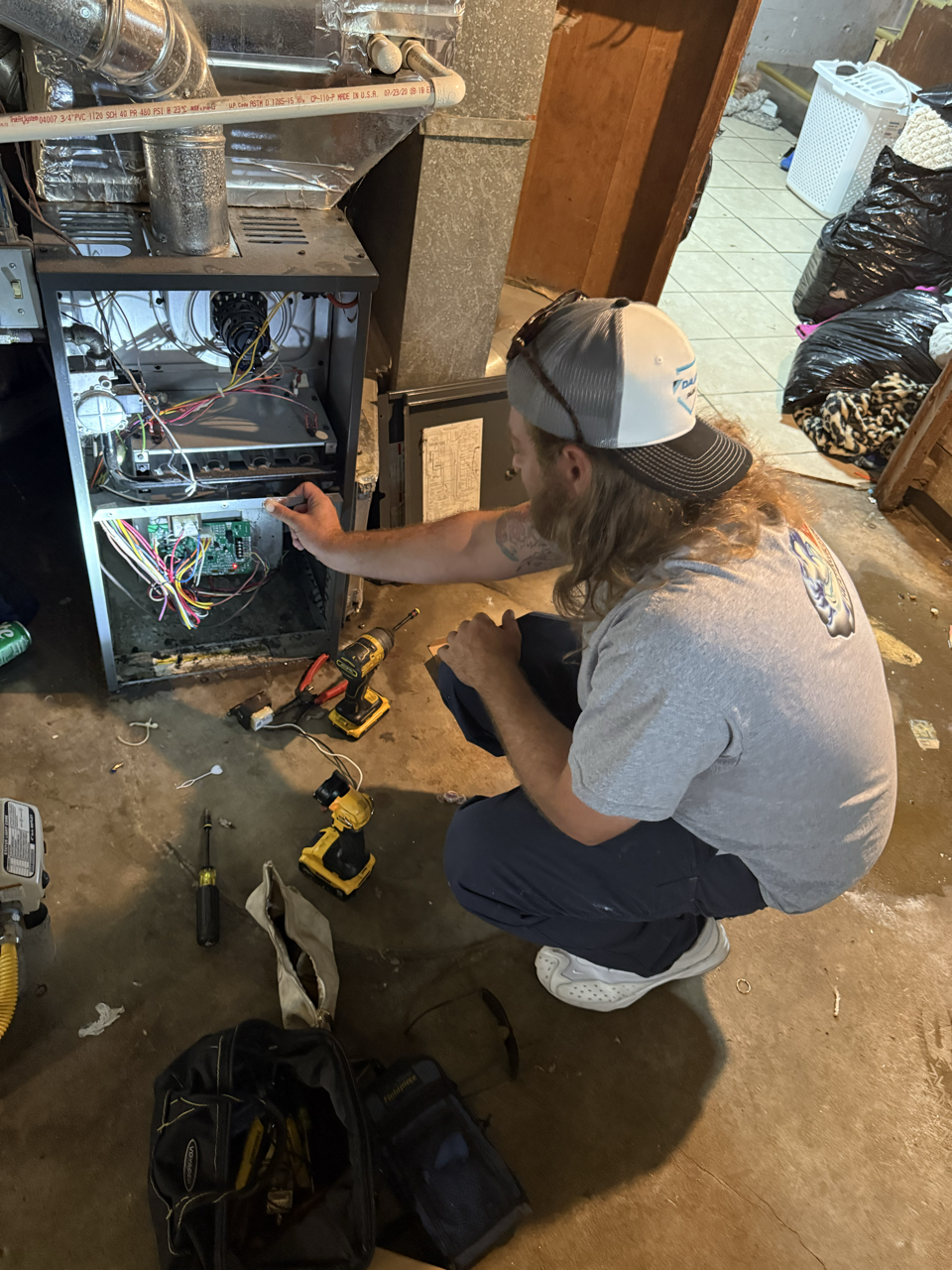
This is exactly why fall maintenance is about far more than just changing a filter or wiping down a cabinet. A comprehensive pre-season inspection is a deep-dive diagnostic session designed to test electrical draws and motor health after a brutally demanding summer. When a certified technician evaluates your system, they don't just listen to it run; they use specialized multimeters to measure the exact amp draw of the blower motor during startup and steady-state operation.
If the technician sees that the motor is pulling significantly more amperage than its factory rating allows, they know the internal windings are compromised. Catching a stressed motor now—and scheduling a residential furnace repair or targeted component replacement—prevents a catastrophic failure on the coldest night of the year. Routine checks also uncover other hidden transition-season issues, such as weak capacitors or loose electrical connections, ensuring your entire system operates safely and reliably all winter long.
Adapting Your System to Kentucky's Erratic Fall Climate
If you find that your system is constantly short-cycling during a September transition with 30-degree daily swings, there are several technological adaptations that can help your equipment manage the erratic climate more gracefully. You do not necessarily have to replace the entire system to achieve better performance; sometimes, smarter control strategies make all the difference.
Wider Thermostat Deadbands: One of the simplest solutions is upgrading to a smart thermostat and adjusting the "deadband" settings. The deadband is the temperature range where the system does nothing. By slightly widening this range, you prevent the thermostat from hyper-reacting to a one-degree temperature shift, forcing the system to wait longer and run a more complete, steady-state cycle when it finally does turn on.
Variable-Speed Blower Motors: If your current motor is failing, upgrading to an Electronically Commutated Motor (ECM), also known as a variable-speed motor, is highly recommended. Unlike traditional motors that only run at 100% capacity, variable-speed motors can ramp up slowly. This eliminates the massive spike of inrush current and allows the motor to run continuously at a very low, efficient speed, keeping the air circulating and the components cool without over-conditioning the home.
Alternative Heating Solutions: For homeowners looking to completely optimize their transition season comfort, modern heat pump services offer an incredible advantage. Heat pumps are uniquely suited for moderate fall heating, providing gentle, continuous warmth that reduces reliance on a heavy-duty traditional furnace until the bitter winter freezes truly hit. Consulting with a local professional can help you determine which of these adaptations is right for your specific home.
Protecting Your HVAC Equipment Before Winter Arrives
Ultimately, understanding how fluctuating September temperatures stress your HVAC system's blower motor empowers you to make smarter decisions about your home's comfort infrastructure. Early fall weather in the Taylorsville KY region is mechanically demanding, forcing your equipment to endure rapid short-cycling, constant inrush current, and trapped thermal energy that degrades vital electrical insulation.
Reiterating the signs of stress—such as burning odors, weak airflow, and loud humming—ensures you can catch these issues early. Recognizing these symptoms saves you time, hassle, and severe comfort disruptions when the weather turns freezing. Do not wait for the motor to burn out entirely.
Take actionable steps today by ensuring your system is professionally evaluated before the heavy winter workload begins. By enrolling in a routine HVAC maintenance plan, you guarantee that a trained technician will monitor your motor's amp draw, clean vital components, and optimize your system to handle whatever unpredictable weather Kentucky throws your way.
Financing

Now Offering Financing Options with Affordable Monthly Payments
where we operate
Service Areas
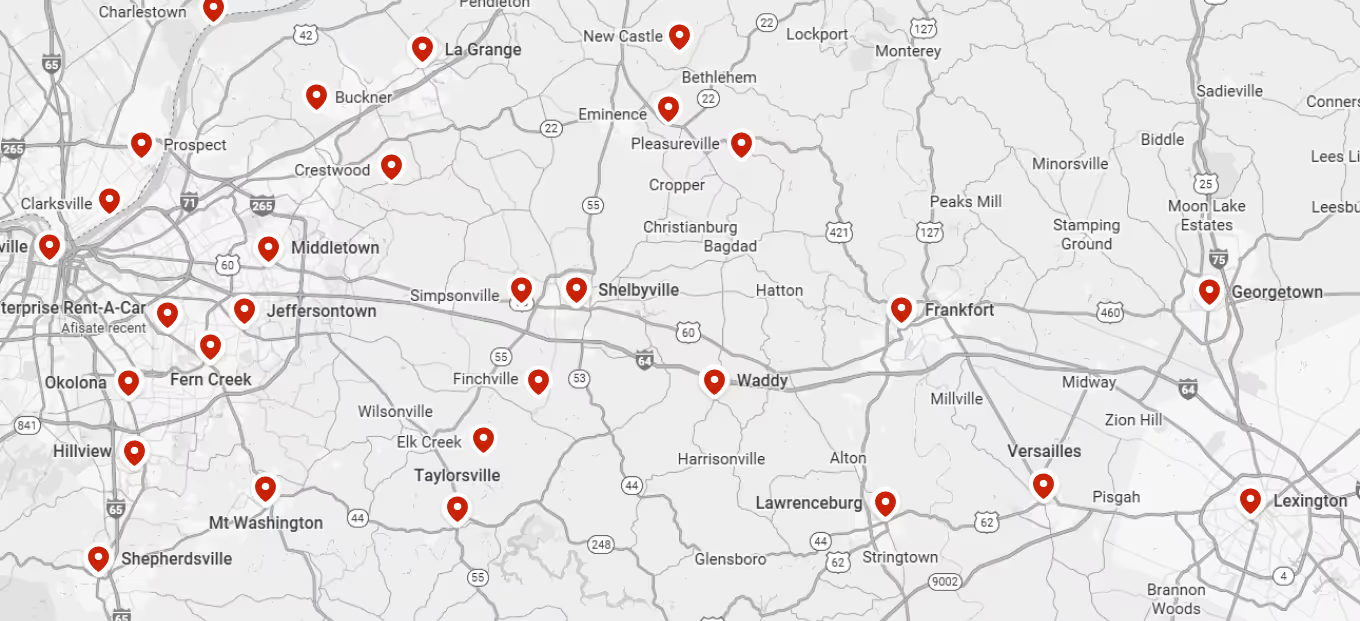
Proudly serving Spencer county, Jefferson county, Bullitt county, and the surrounding areas
Short Heading Goes Here
Sed iaculis aenean sit sed risus arcu vitae integer elit.

