



5 min read
Furnace Smells Like Burning? When to Search for HVAC Near Me
That First Fall Chill: Why Your Furnace Emits a Burning Odor
If you are searching for home maintenance tips and troubleshooting advice because you just turned on your thermostat for the first cold snap and were immediately hit with a harsh, burning smell, you are not alone. At 3D Heating and Cooling, our team fields dozens of calls every October from Taylorsville homeowners panicked by this exact issue. That initial blast of warm air during the first fall heating startup often brings an alarming, smoky odor right into your living room. For many homeowners, this sudden scent triggers immediate panic and a rush to figure out if the house is in danger. The critical decision point you face right now is determining whether that burning smell is just normal seasonal dust burn-off or a dangerous electrical or gas issue that requires an immediate system shutdown.
While some odors are a completely normal part of seasonal HVAC transitions, others are red flags indicating critical safety hazards that should never be ignored. This guide serves as a sensory troubleshooting manual to help you confidently decide whether to let your heating system run its course or immediately cut the power. When safety is on the line, having trusted local HVAC services on standby ensures that any dangerous malfunctions are handled swiftly. If the situation escalates beyond a harmless dusty smell, reaching out for professional heating services is the safest way to protect your home and your family.
The Science of Heating Startup: Dust Accumulation vs. Real Danger
To understand why your heating system smells like it is burning, you have to look at what happens during the months when it is not running. Heating systems sit dormant for a long time, and during that inactive period, they become magnets for airborne particles. Understanding the physical mechanics behind normal seasonal burn-off can help you realize why this smell occurs without defaulting to panic.
In our years of repairing and maintaining furnaces throughout Taylorsville and Spencer County, we've seen how the local climate plays a major role in this phenomenon. The hot, humid summer dormancy causes heavier dust, pet dander, and moisture to accumulate on internal HVAC components. When the sudden October temperature drops arrive and you switch the thermostat to heat, the sudden thermal shock of the first cycle incinerates this caked-on layer instantly. This physical process of dust burn-off creates a distinct, temporary odor. However, it is vital to differentiate between the smell of harmless burning dust and the much more acrid, toxic smell of melting electrical components or gas leaks. The most effective way to minimize these seasonal startup odors is through regular system upkeep, which is why we highly recommend enrolling in a preventative HVAC maintenance plan before the cold weather truly sets in.
How Summer Dormancy Affects Your Furnace
When your furnace sits idle, several environmental factors contribute to the eventual startup smell:
• Lack of airflow: Without regular air moving over the heating elements, particles are allowed to settle and cake onto the heat exchanger and burners untouched.
• High humidity: Summer moisture in the air acts like an adhesive, causing dust and lint to stick stubbornly to the metal surfaces inside the cabinet.
• Thermal shock: When the system fires up, temperatures inside the combustion chamber spike rapidly, instantly incinerating the accumulated debris layer.
Sensory Troubleshooting: Identifying Harmless vs. Hazardous Smells
When homeowners notice their furnace smells like burning when turned on, the most important diagnostic tool they have is their sense of smell. Different mechanical failures produce highly specific odors. Providing a definitive, sensory-based breakdown of these specific furnace odors can help you quickly categorize the issue and take the appropriate action.
• Musty, singed hair, or hot clothes iron — Likely Cause: Dust burn-off on the heat exchanger — Danger Level: Low (Harmless) — Required Action: Monitor for 15-30 minutes; ensure good ventilation.
• Fishy, metallic, or ozone-like — Likely Cause: Overheating electrical components or melting wire insulation — Danger Level: High (Fire Hazard) — Required Action: Shut down system immediately at the breaker. Call a professional.
• Rotten eggs or sulfur — Likely Cause: Natural gas leak (Mercaptan additive) — Danger Level: Critical (Explosion/Health Hazard) — Required Action: Evacuate immediately. Do not touch light switches. Call emergency services.
• Burning plastic or melting rubber — Likely Cause: Failing blower motor or foreign object in ductwork — Danger Level: High (Fire Hazard) — Required Action: Shut off power. Do not run the system until inspected.
The Scent of Dust Burn-Off
The scent of burning dust is typically harmless and is often described as smelling like a hot clothes iron or slightly singed hair. This musty, slightly smoky smell is usually localized near the vents initially before dissipating throughout the house as the system continues to run.
Electrical and Ozone Odors
If you detect a sharp, metallic, or "fishy" smell, you are likely dealing with an electrical issue. These ozone-like odors indicate failing motors, overheating circuit boards, or compromised wiring insulation. Because modern furnaces rely heavily on electronic controls, an electrical burning smell should never be ignored.
The Rotten Egg Warning
Natural gas is inherently odorless, but utility companies add a chemical called Mercaptan to give it a distinct rotten egg odor. This sulfur-like smell is a deliberate warning sign indicating a potential gas leak. If you smell this, it requires immediate evacuation and professional intervention.


Timeline for Normal Odors: How Long Should the Smell Last?
One of the most common sources of anxiety during the October first heating startup is simply not knowing how long the burning smell is supposed to stick around. Having clear, time-bound guidelines can help alleviate that anxiety and provide a strict threshold for when it is time to seek professional help.
1. The 15 to 30-Minute Window: In our experience, normal dust burn-off typically dissipates within 15 to 30 minutes of the first heating cycle. Once the initial layer of debris is incinerated, the odor should fade rapidly.
2. Improve Ventilation: Opening windows or turning on ceiling fans can help clear the initial harmless odor faster, pushing the musty air out of your living spaces.
3. The One-Hour Rule: If the smell persists beyond one hour of continuous operation, or if it disappears but returns during subsequent heating cycles, it is no longer normal burn-off. Persistent smells indicate an ongoing mechanical or electrical issue.
4. Check the Air Filter: A severely clogged air filter restricts airflow, causing the furnace to run hotter than normal. This can exacerbate burning smells and even trigger the system's high-limit switch. Always check and replace a dirty filter if you notice lingering odors.
Red Alert Odors: When to Shut Down Your System Immediately
While patience is key for dust burn-off, certain smells demand immediate, decisive action. When a furnace smells like burning when turned on and the scent leans toward plastic, ozone, or sulfur, you must follow strict emergency protocols. Understanding when to shut down your system immediately can prevent catastrophic damage to your home and protect your family from severe health risks.
The Centers for Disease Control and Prevention (CDC) and Department of Energy (DOE) protocols regarding carbon monoxide and gas safety are clear: never compromise when dealing with combustible fuels. A cracked heat exchanger, for example, is incredibly dangerous because it allows combustion gases—including carbon monoxide—to mix with the air being blown into your home. These situations require immediate professional diagnostics and should never be ignored. In one instance this past fall, our team responded to a local homeowner who experienced this firsthand when their carbon monoxide detectors began alarming due to a severely cracked heat exchanger. Because they recognized the emergency, our technicians were able to arrive within an hour, safely remove the compromised machine, and install a brand new furnace and AC system to restore safety.
Responding to Gas Odors
Do not turn on lights or use electronics. A spark from a simple light switch can ignite accumulated natural gas. If you smell rotten eggs, evacuate the home immediately, leave the doors open behind you, and contact emergency services or your local utility provider from a safe distance outside.
Handling Electrical Burning Smells
Cut power at the breaker. If it is safe to do so, turn off the system at the thermostat and completely cut the power at your main electrical panel. Do not attempt to open the furnace cabinet to inspect the blower motor or wiring yourself, as high-voltage components remain hazardous even after the system shuts down.
The Risks of Ignoring Persistent Heating Odors
When a burning smell refuses to go away, the worst thing you can do is learn to live with it. We always deter homeowners from attempting risky DIY repairs or ignoring persistent smells, as modern heating systems contain complex electrical boards and pressurized gas lines that require specialized tools to test safely. What might start as a faint electrical odor can quickly escalate into a severe hazard if left unaddressed.
Ignoring an electrical smell can lead to catastrophic motor failure or significant fire risks inside your ductwork. Similarly, waiting too long to address a cracked heat exchanger compromises indoor air quality and introduces silent, deadly carbon monoxide into your living spaces. Relying on local experts prevents these minor, repairable issues from snowballing into expensive whole-system replacements. By reaching out to professionals who serve service areas in Taylorsville and surrounding communities, you ensure that someone familiar with local building codes and regional climate demands is evaluating your system's safety.
How to Choose a Reliable Local Contractor When Searching for HVAC Near Me
When you realize your furnace smells like burning when turned on and the odor isn't going away, the next step is finding the right help. Searching for local professionals is critical during sudden weather shifts, as this is exactly when emergency calls spike across the region. You need a team that prioritizes safety over high-pressure sales and offers transparent diagnostics.
At 3D Heating and Cooling, we pride ourselves on being a trusted local alternative to tiered or national HVAC services. When safety is on the line, the long wait times often experienced with national call centers simply aren't acceptable. You need 24/7 availability and rapid dispatch. For example, during a severe winter cold snap, an aging 27-year-old heating system broke down on Thanksgiving evening for one local family. Instead of them waiting days for a corporate chain, our dedicated local team arrived that same holiday evening, explained all the options, and performed a full, high-quality system replacement to restore heat immediately. This level of dedication is exactly what you should look for when choosing an HVAC company in Taylorsville.
Why Local Dispatch Matters in an Emergency
• Faster response times: Local dispatch means technicians can reach your home quickly during regional cold snaps, rather than being routed from hours away.
• Regional expertise: Local contractors have deep familiarity with local building codes and the common regional system setups specific to Kentucky homes.
• Direct communication: You speak directly with the team handling your emergency, rather than navigating frustrating automated systems or answering services.
Frequently Asked Questions About Furnace Odors
Why does my heater smell like it's burning?
A burning smell usually occurs because dust and debris have settled on the heat exchanger over the summer. When the furnace fires up for the first time in the fall, this layer of dust instantly incinerates, creating a musty, smoky odor. While this dust burn-off is normal, smells that resemble melting plastic, ozone, or sulfur indicate serious mechanical or gas issues. Always pay attention to the specific type of odor to determine if it is harmless or hazardous.
How long does the burning smell last when you turn on the heater?
Normal dust burn-off typically dissipates within 15 to 30 minutes of the first October heating startup. If your home has good ventilation, the smell may clear out even faster. However, if the odor persists for more than an hour, or if it goes away but returns every time the system cycles on, you should shut the furnace down. Lingering smells are a strong indicator of an underlying problem that requires professional attention.
Is it safe to run the heater if it smells like burning?
It is generally safe to run the heater if the smell is strictly a dusty, singed-hair odor during the first use of the season. You should monitor the system closely during this initial 30-minute window. However, if the smell is acrid, metallic, or resembles rotten eggs, it is absolutely not safe to continue running the unit. In those cases, you must shut off the power or gas supply immediately and call a certified technician.
What does a cracked heat exchanger smell like?
A cracked heat exchanger itself doesn't always have a distinct smell, but it often causes the furnace to emit a strong, unpleasant exhaust or formaldehyde-like odor into your home. More importantly, a crack allows dangerous, odorless carbon monoxide to mix with your breathing air. If your carbon monoxide detectors are going off or you feel dizzy and nauseous while the heater is running, evacuate immediately, as this is a life-threatening emergency.
Can a dirty air filter cause a burning smell?
Yes, a severely clogged air filter can absolutely contribute to a burning smell. When the filter is completely blocked by dirt and pet dander, airflow is restricted, causing the blower motor to work harder and the heat exchanger to overheat. This overheating can produce a hot metal or burning dust smell. Replacing your air filter regularly is one of the easiest ways to prevent these odors and protect your system.
What should I do if my heating vents smell like melting plastic?
If your vents smell like melting plastic or rubber, you must turn off the heating system immediately at the thermostat and the breaker. This odor typically indicates that a wire casing is melting, a capacitor is failing, or a foreign object has found its way into the ductwork or blower compartment. Do not attempt to run the system again until a licensed professional has inspected the internal components and resolved the fire hazard.
Restore Your Home's Comfort and Safety with Confidence
Navigating the transition into colder weather shouldn't be a source of stress. While that initial dust burn-off during your first seasonal startup is completely normal, persistent, sharp, or sulfurous odors always require expert attention. You deserve the peace of mind that comes from having a certified professional verify the safety of your heating equipment. If you are experiencing concerning odors that last longer than 30 minutes, or if you simply want to ensure your system is ready for the winter workload, do not hesitate to reach out to our team at 3D Heating and Cooling for prompt, local diagnostic services. A clear, safe guideline on how long a normal dust smell should last and exactly when to call a professional ensures your home remains a safe haven all season long.
Financing

Now Offering Financing Options with Affordable Monthly Payments
where we operate
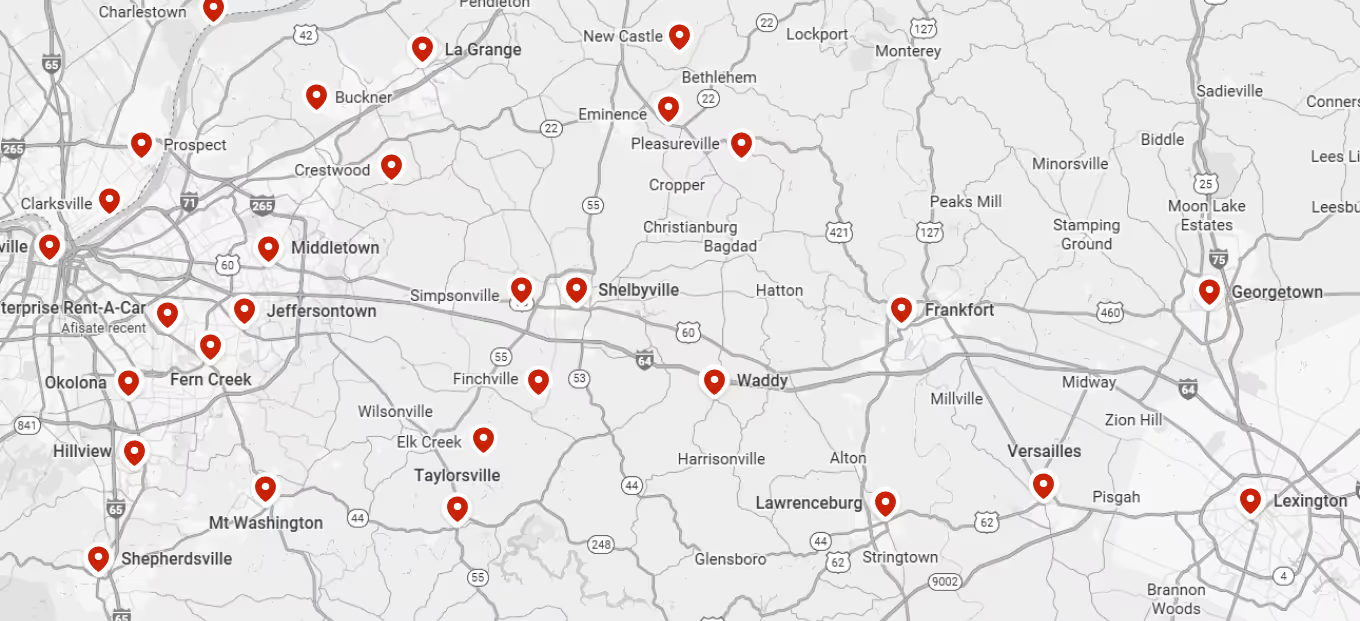
Service Areas
Proudly serving Spencer county, Jefferson county, Bullitt county, and the surrounding areas
Short Heading Goes Here
Sed iaculis aenean sit sed risus arcu vitae integer elit.

