



5 min read
Furnace vs. Heat Pump: An Options Comparison for Homeowners
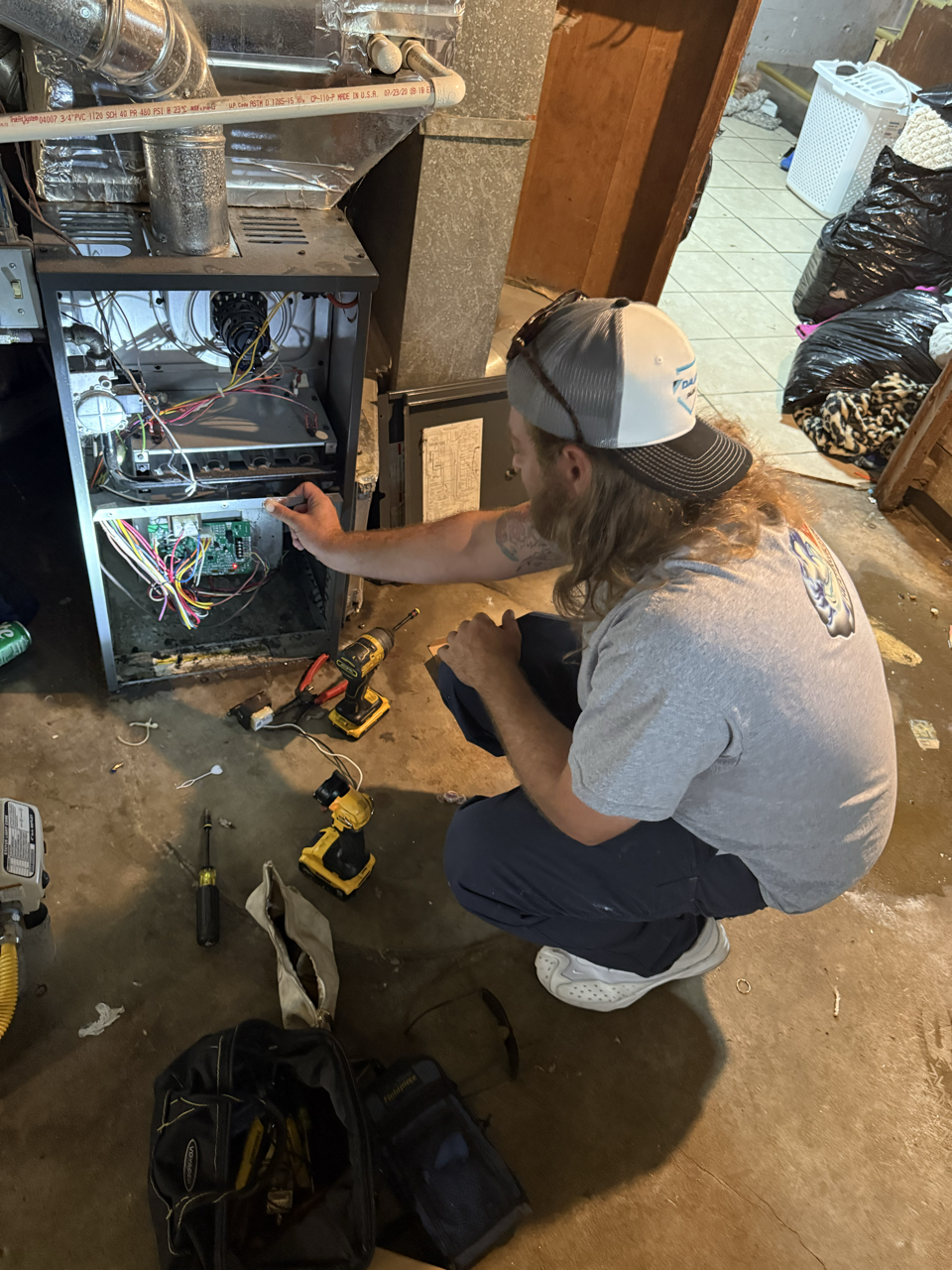
Facing a Failing Heater This Fall? Your Next Steps
Before the first freeze hits, scheduling a mid-fall or October pre-winter inspection is a standard routine, but discovering a failing system turns that routine into a critical search for options comparisons for homeowners. Learning that an older heating system is on its last legs just as temperatures begin to drop across the region can be highly stressful. However, catching this issue before emergency freezing conditions arrive provides a valuable, time-sensitive window to weigh your replacement options carefully without the pressure of an immediate, freezing-night breakdown.
At 3D Heating and Cooling, we find that transitioning from panic to informed decision-making means understanding the two primary residential heating technologies available today: traditional gas furnaces and modern heat pumps. Both systems have distinct operational mechanics, efficiency profiles, and climate suitabilities. Making the right choice requires objective, educational guidance tailored to your specific home infrastructure and comfort needs. Navigating these choices requires guidance from professional HVAC services, so you can trust our heating system experts to guide you toward a solution that ensures reliable warmth throughout the coming winter.
Understanding Your Choices: Heat Transfer vs. Combustion
To make an informed decision about your home's comfort, you need a neutral, expert breakdown of how these two distinct technologies operate. In our years serving the local community, we've seen that while they achieve the same goal—warming your living space—they use fundamentally different scientific principles to get there. Understanding this difference is the baseline for evaluating which system aligns with your home's energy infrastructure and your long-term efficiency goals in Taylorsville KY.
The Mechanics of a Gas Furnace
Traditional gas furnaces generate heat through the process of combustion. By burning a fossil fuel—typically natural gas or liquid propane—the system creates a controlled flame inside a burner. This flame heats a metal component called a heat exchanger. As your blower motor forces indoor air over the exterior of this hot metal, the air absorbs the heat and is distributed through your ductwork.
• Rapid, intense heat: Furnaces deliver air to the vents at very high temperatures, warming a cold house quickly.
• Combustion requirements: They rely on a burner and a heat exchanger, which require proper ventilation for exhaust gases.
• Infrastructure dependency: A furnace requires access to a dedicated natural gas line or a propane storage tank on the property.
The Mechanics of a Heat Pump
Unlike furnaces, heat pumps do not generate heat by burning fuel; instead, they use heat transfer. Using a closed loop of pressurized refrigerant, a heat pump absorbs ambient thermal energy from the outside air, compresses that refrigerant to raise its temperature, and releases that heat inside the home. Because they move heat rather than creating it, they operate entirely on electricity.
• Year-round utility: Heat pumps feature a reversing valve, allowing them to reverse operation in the summer to provide high-efficiency air conditioning.
• Electric operation: They use refrigerant to absorb and release heat, eliminating the need for combustible fuels or exhaust flues.
• Efficiency breakthroughs: Modern cold-climate heat pumps are engineered with variable-speed compressors, allowing them to extract heat energy even when outdoor temperatures drop below freezing.
If you are considering heat pump installation and repair, seeing how the two technologies stack up side-by-side can clarify the decision.
• Primary Operation — Traditional Gas Furnace: Combustion (generates heat) — Modern Heat Pump: Heat Transfer (moves heat)
• Energy Source — Traditional Gas Furnace: Natural Gas or Propane — Modern Heat Pump: Electricity
• Efficiency Cap — Traditional Gas Furnace: Always below 100% (some heat lost in exhaust) — Modern Heat Pump: Can exceed 100% (moves more energy than it consumes)
• Summer Functionality — Traditional Gas Furnace: Heating only (requires separate AC) — Modern Heat Pump: Provides both heating and cooling


Why Transitional Climates Demand Versatile Heating
Contextualizing your heating decision requires looking closely at the specific weather patterns of our region. In transitional climates like Taylorsville KY, we see homeowners face a unique set of challenges. The region experiences both extreme winter lows—frequently dropping into the 20s (F)—and hot, highly humid summers. Because the weather fluctuates so dramatically throughout the year, the performance demands placed on your HVAC system are uniquely rigorous.
The dual-functionality of a heat pump is highly advantageous in these transitional zones. During the sweltering summer months, a heat pump operates identically to a high-efficiency air conditioner, pulling heat and excess humidity out of the indoor air. During the mild stretches of autumn and early winter, it provides highly efficient, steady warmth. Just last season, our technicians at 3D Heating and Cooling installed a new heat pump for a local family during harsh winter weather. Even during an active snowstorm, our crew was able to cleanly install the new system, proving that modern heat pump technology is robust enough to handle severe conditions right out of the gate.
However, there is a performance threshold to consider. During severe cold snaps, when temperatures plunge deep into the freezing zone, a heat pump must work harder to extract the remaining thermal energy from the outdoor air. The air delivered to the vents may feel cooler than the blast of a traditional furnace. For homeowners who tell us they prefer rapid, intense heat during deep freezes, we often recommend a gas furnace as a powerful option.
The Hybrid Solution: For those who want the best of both worlds, our team frequently installs dual-fuel systems (or hybrid heating systems) as a middle-ground solution for unpredictable weather. This setup pairs an electric heat pump with a gas furnace. The heat pump handles the cooling in the summer and the heating during mild winter days. When the temperature drops below a specific, pre-set threshold where the heat pump loses efficiency, the system automatically switches over to the gas furnace to provide powerful combustion heat.
Evaluating Energy Efficiency and Long-Term Value
Upgrading a heating system is a major investment in your home's infrastructure. Guiding that decision requires a close look at the financial and efficiency considerations of each technology. Whether you live near the center of town or in one of our broader local service areas, our technicians want to ensure you understand how to calculate long-term value to protect your investment.
1. Understand the Efficiency Ratings: Furnace efficiency is measured by Annual Fuel Utilization Efficiency (AFUE). An AFUE rating of 90% means 90% of the fuel is converted to usable heat, while 10% escapes as exhaust. Heat pumps are measured by Heating Seasonal Performance Factor (HSPF) for heating and Seasonal Energy Efficiency Ratio (SEER) for cooling. Because heat pumps move heat rather than generating it, their effective efficiency can exceed 100%, offering significant baseline energy advantages.
2. Calculate Long-Term Utility Impact: The initial installation investment for a high-efficiency system is typically higher than a standard model, but the long-term monthly utility savings often offset that upfront cost. Heat pumps generally offer lower operational costs in mild weather, while natural gas can sometimes be more cost-effective during extreme cold, depending on local utility rates.
3. Explore Generic Incentives: Federal tax credits and generic utility rebates frequently apply to qualifying high-efficiency installations, particularly for advanced heat pump technology. Because these programs change frequently, we always advise homeowners to verify current guidelines and available generic incentives with their utility provider or a tax professional to maximize their return on investment.
4. Factor in Lifespan and Maintenance Requirements: A gas furnace typically lasts 15 to 20 years with proper maintenance, as it only operates for half the year. A heat pump, because it runs year-round for both heating and cooling, generally has a lifespan of 10 to 15 years. Both systems require annual professional maintenance—such as the mid-fall or October pre-winter inspections our team performs daily—to achieve their manufacturer's stated efficiency ratings and operational lifespan.
How a Professional Assessment Guides Your Decision
Online research is a helpful starting point, but every home has a unique thermal footprint. Square footage, ceiling height, insulation quality, window placement, and the condition of existing ductwork all dictate the ideal system size and type. This is why a tailored, expert evaluation from our team is far more valuable than generic advice.
Working with a responsive local team ensures that your home is evaluated properly. National chains often rely on high-pressure sales tactics to push a specific technology or clear out warehouse inventory, regardless of the home's actual needs. In contrast, at 3D Heating and Cooling, we rely on our strong local reputation and deep ties to the Taylorsville community, serving as a trustworthy alternative that provides honest, tailored recommendations for your specific property.
A professional assessment also identifies underlying safety and infrastructure issues before a new system is installed. For example, during a recent autumn service call, our crew responded to a home where carbon monoxide detectors kept going off due to a cracked heat exchanger in an aging unit. Because this was a critical emergency safety issue, our technicians arrived within an hour, safely removed the dangerous machine, and installed a new furnace and AC. Catching severe safety failures requires a trained eye. Proper installation by licensed professionals is critical not just for safety, but for achieving the efficiency and comfort you expect. For more insights on making the right choice, read our guide on choosing an HVAC company in Taylorsville.
Frequently Asked Questions About Heating System Upgrades
Is a heat pump or furnace better for Kentucky winters?
Both are highly effective, but we find that the choice depends entirely on your home's infrastructure and your personal comfort preferences. Heat pumps offer incredible year-round efficiency and handle the mild stretches of a Taylorsville KY winter perfectly. Conversely, traditional furnaces provide rapid, intense heat that many homeowners prefer during sudden, deep freezes. A professional evaluation of your ductwork and insulation by our team will reveal which system aligns best with your property.
How does a heat pump work when it is freezing outside?
Modern cold-climate heat pumps use advanced refrigerants and variable-speed compressors to capture heat energy even in extreme weather. They can extract ambient heat from the outside air even at sub-freezing temperatures, compressing that thermal energy to warm the home. While they work harder in extreme cold than in mild weather, we've seen firsthand that today's technology is vastly superior to the heat pumps of a decade ago, making them highly viable for harsh winter days.
Can a heat pump replace a gas furnace completely?
Yes, a heat pump can serve as the sole heating source in many homes, eliminating the need for a gas connection. Proper sizing and adequate home insulation are strictly required to ensure the unit meets the home's total heating load during the coldest weeks of the year. If the home is poorly insulated, the heat pump may run continuously, which is why our technicians perform a load calculation as an essential first step before full replacement.
What is a dual fuel heating system?
A dual fuel setup is a hybrid system pairing an electric heat pump with a traditional gas furnace. It automatically switches between the two technologies based on outside temperatures for maximum efficiency and comfort. During mild winter days, the heat pump provides cost-effective warmth, and when the temperature drops below a specific threshold, the gas furnace takes over to deliver powerful combustion heat.
What should I consider when replacing my heating system in the fall?
We recommend evaluating the age, repair history, and overall reliability of your current unit before winter arrives. Consider current generic tax incentives, the condition of your ductwork, and the long-term energy costs associated with your chosen fuel type. Taking action during the fall allows you to carefully weigh your options and schedule our installation team at your convenience, rather than scrambling during a freezing-weather emergency.
How do I know if my aging furnace needs replacement or just repair?
In our experience, frequent breakdowns, steadily rising energy bills, and critical safety failures strongly indicate that replacement is the safer, more cost-effective route. If our technicians discover a cracked heat exchanger—which risks carbon monoxide exposure—replacement is almost always mandatory. Additionally, if the unit is over 15 years old and the cost of a repair approaches half the value of a new system, we advise upgrading as the most logical financial decision.
Secure Your Winter Comfort Today
Choosing between a traditional gas furnace and a modern heat pump comes down to a thorough, objective assessment of your home's unique footprint and your long-term comfort goals. Whether you prioritize the rapid warmth of combustion or the year-round efficiency of heat transfer, the right installation makes all the difference. We encourage you to act now during this mid-fall or October pre-winter inspection window, rather than waiting for an emergency breakdown in the dead of winter. Consult with our local experts at 3D Heating and Cooling today to explore your options, ensure your home is prepared, and secure reliable, efficient warmth for the freezing months ahead.
Financing

Now Offering Financing Options with Affordable Monthly Payments
where we operate
Service Areas
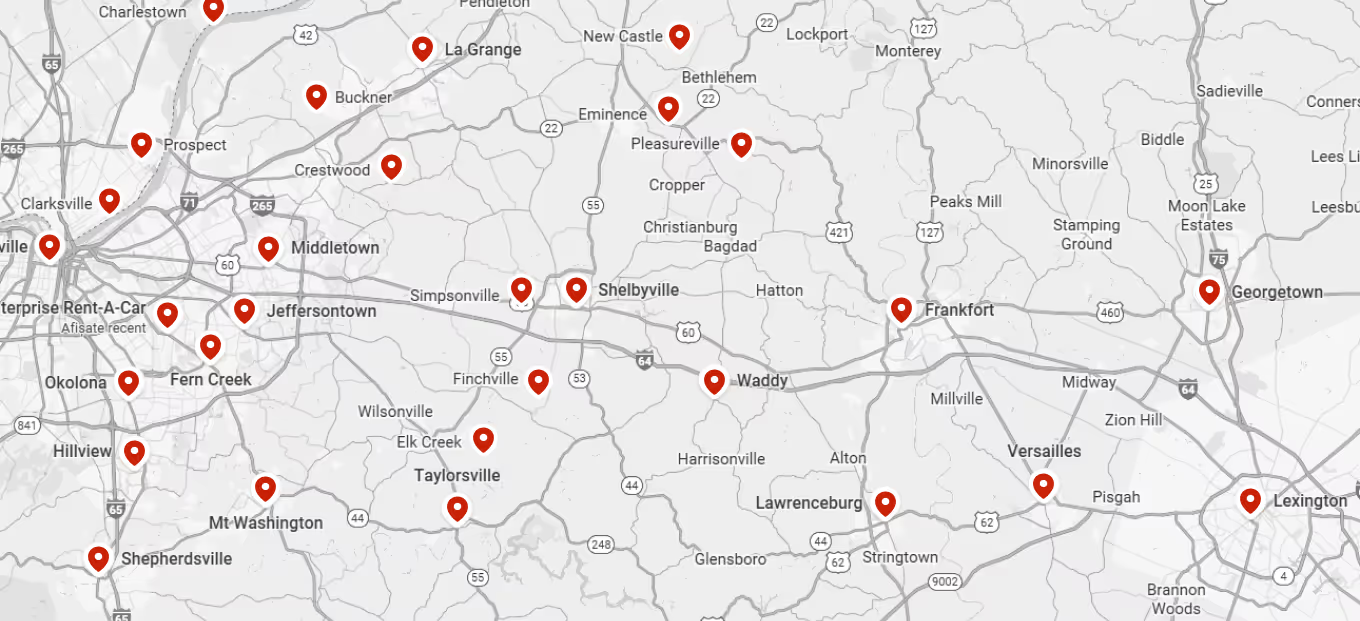
Proudly serving Spencer county, Jefferson county, Bullitt county, and the surrounding areas
Short Heading Goes Here
Sed iaculis aenean sit sed risus arcu vitae integer elit.

