



5 min read
Evaluating an HVAC Near Me: A Guide to Troubleshooting Mid-Fall Heating Startup
The Reality of Early-Season Heating System Strain
If you are looking up home maintenance tips and troubleshooting, you should know that nearly 75% of early-season heating breakdowns trace back to a system that sat dormant all summer without proper preparation. As local HVAC professionals, our team sees firsthand what happens when the first major temperature drop hits in October. Homeowners suddenly demand their furnace or heat pump to transition from zero activity to full operational capacity. This sudden demand exposes every minor flaw, dirty component, and loose wire that developed during the off-season, often resulting in unexpected lockouts and poor indoor air quality.
For homeowners seeking local HVAC services, establishing a relationship for professional heating services ensures your system is evaluated safely before mid-winter emergencies arise.
The Unique Strain of the Kentucky Climate
The sudden transition from hot, humid Kentucky summers to freezing winters places a unique and intense strain on dormant heating equipment. During a typical mid-fall heating startup, components that have been expanding in the summer heat suddenly contract. Bearings that have sat motionless lose their lubrication, and electrical connections that experienced thermal expansion during the summer cooling months may now be loose. This environmental whiplash is why the first time you turn on the thermostat in October is often the most critical test your system will face all year.
Homeowners often face a critical decision point during this initial startup: determining if a strange smell, a weird noise, or a short cycle is a normal operational quirk or a genuine mechanical risk. Addressing these issues early prevents minor startup strain from escalating. In our experience, dirty air filters and dormant, dusty systems are the leading causes of HVAC system failure during this first seasonal use. Partnering with a reliable local expert ensures these initial symptoms are evaluated accurately, giving you peace of mind as the harsh freezing temperatures approach.
Decoding First-Startup Odors: Dust Burn-Off vs. Mechanical Danger
One of the most common reasons homeowners search for our HVAC professionals in October is a sudden, alarming smell coming from their vents. Understanding the technical distinction between safe dust burn-off and dangerous electrical or combustion odors is critical for home safety. During the summer, dust, pet dander, and microscopic debris settle on the heat exchanger and heating elements. When these components heat up for the first time in months, that debris vaporizes.
Normal dust burn-off typically resolves within the first few hours of initial operation as settled particles are cleared. However, other odors indicate severe issues that require immediate shutdown. Understanding these differences helps homeowners avoid panic while respecting genuine safety boundaries.
• Musty or Dusty Smell — Likely Cause: Settled dust burning off the heat exchanger or heating elements. — Required Action: Monitor for 1 to 3 hours. If it dissipates, it is normal.
• Burning Plastic or Rubber — Likely Cause: Overheating electrical wires, melted insulation, or a failing motor. — Required Action: Shut the system down immediately at the thermostat and breaker. Call a professional.
• Rotten Egg or Sulfur Smell — Likely Cause: A natural gas leak (if using a gas furnace). — Required Action: Evacuate the home, leave doors open, and call emergency services or your gas provider.
• Sharp Metallic Odor — Likely Cause: Overheating metal components or a cracked heat exchanger. — Required Action: Turn off the unit and schedule an immediate safety inspection.
Identifying Normal Operational Quirks
Beyond smells, a mid-fall heating startup in Taylorsville KY area homes often comes with a symphony of strange sounds and behaviors that are entirely harmless. In our daily service calls across the community, we regularly reassure homeowners that recognizing these normal operational quirks can save you an unnecessary emergency call:
• Brief, dissipating dusty smells: As mentioned, this is the most common and harmless symptom of a dormant system waking up.
• Minor clicking noises: You will likely hear clicking as the thermostat communicates with the unit, opening gas valves or engaging relays.
• Temporary airflow fluctuations: As ductwork pressurizes for the first time in months, you might hear popping metal or feel slight variations in air pressure at the registers.


Understanding Furnace Lockouts During Sudden Temperature Drops
When the temperature drops rapidly, a system that repeatedly turns on and shuts off immediately is incredibly frustrating. This behavior is usually the result of a furnace lockout. A furnace lockout is a built-in safety mechanism that shuts the system down when the control board detects a malfunction. It is designed to prevent catastrophic damage, electrical fires, or the release of dangerous combustion gases into your living space.
If you are considering heat pump installation and repair, understanding why these lockouts happen is vital. Repeatedly resetting a locked-out furnace without addressing the root cause can severely damage the system or pose carbon monoxide risks. Common triggers include restricted airflow from dirty filters, dirty flame sensors that fail to detect combustion, or blocked exhaust vents.
The Anatomy of a System Lockout
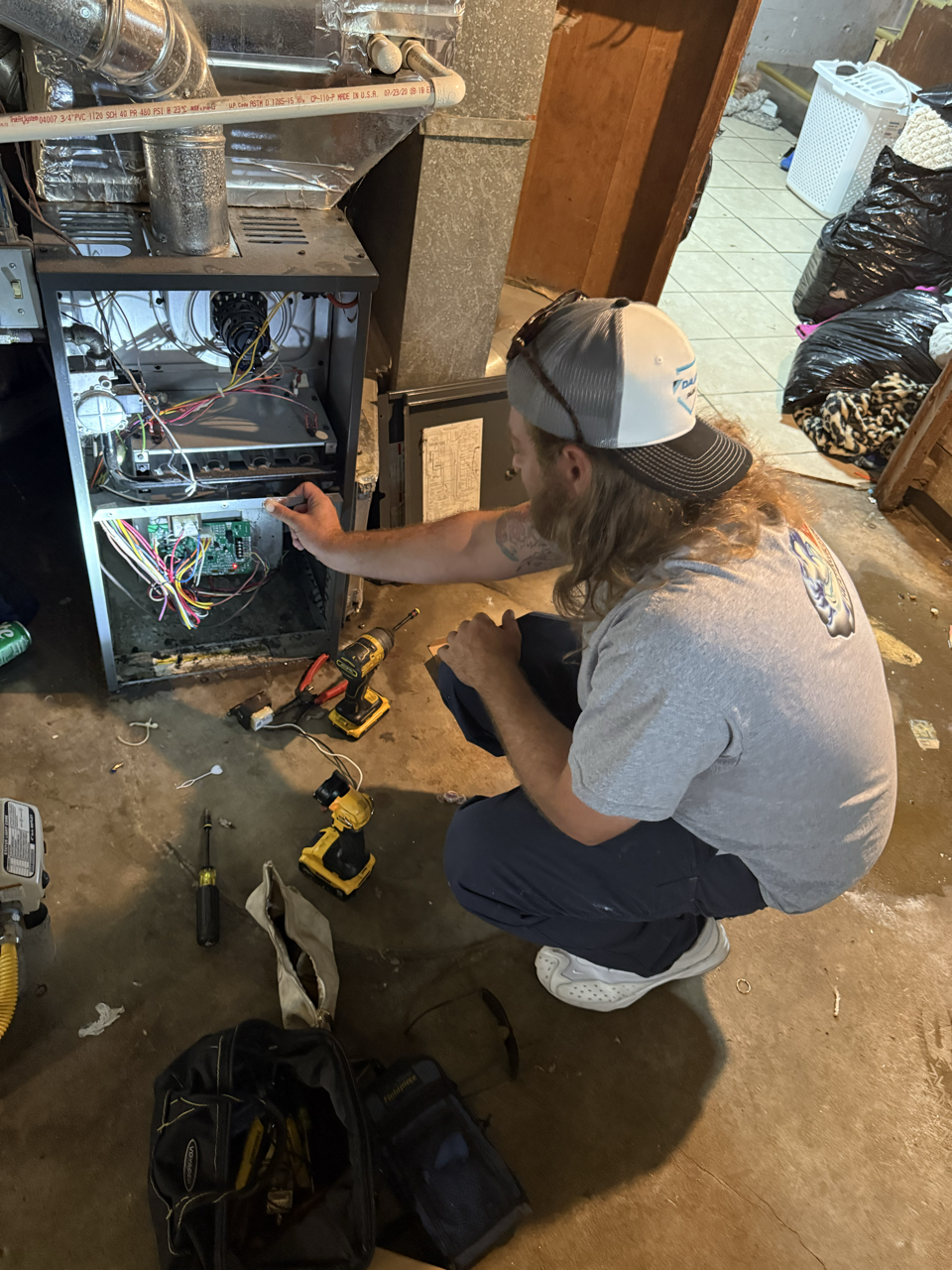
A typical mid-fall heating startup lockout follows a specific sequence of failures. Here is what is happening inside the cabinet:
1. The Call for Heat: The thermostat senses a drop in temperature and sends a signal to the control board.
2. The Safety Check: The draft inducer motor starts, and pressure switches verify that exhaust gases can safely exit the home. If the flue is blocked by a bird's nest or debris, the sequence stops here.
3. Ignition and Verification: The igniter glows, and the gas valve opens. The flame sensor must detect a steady flame within seconds. If the sensor is coated in summer dust, it fails to read the flame and shuts the gas valve immediately.
4. The Lockout State: After three to five failed attempts (depending on the model), the control board enters a hard lockout, requiring a manual reset or professional intervention.
Severe underlying issues, such as a cracked heat exchanger, can trigger safety alarms and require immediate professional intervention. Our technicians at 3D Heating and Cooling recently responded to a local homeowner who experienced active carbon monoxide detector alarms during the fall due to a cracked heat exchanger. We arrived within an hour, safely removing the compromised machine and replacing the furnace and AC system. This highlights why safety mechanisms should never be bypassed.
Indoor Air Quality Impacts of Dormant Heating Systems
The first major temperature drop does more than test your equipment's mechanical limits; it also significantly impacts the air you breathe. Months of inactivity allow dust, pet dander, pollen, and other allergens to settle deeply within the ductwork, the blower motor housing, and the unit components. When the blower motor kicks on for the first time, it acts like a leaf blower inside a dusty garage.
The first heating cycle forces these accumulated particulates directly into the living space, temporarily degrading indoor air quality. For families with asthma or severe allergies in Taylorsville KY area homes, this sudden influx of airborne pollutants can trigger weeks of respiratory discomfort. The dry, heated air further exacerbates the issue by lowering indoor humidity levels, drying out nasal passages, and keeping microscopic dust suspended in the air for longer periods.
Mitigating the Fall Dust Storm
Upgrading filtration and ensuring ductwork is clean can mitigate this sudden influx of airborne pollutants. While standard one-inch fiberglass filters are designed only to protect the blower motor from large debris, high-efficiency pleated filters can capture the microscopic particles that impact human health.
If you are exploring ductless mini split solutions, you will find that modern climate control systems offer advanced, multi-stage filtration to maintain pristine air year-round. These systems often feature washable filters that trap allergens before they circulate. Regardless of your system type, scheduling a comprehensive cleaning of the blower assembly and heat exchanger before the first freeze is the most effective way to protect your indoor air quality during the seasonal transition.
Setting the Boundary: When to Stop Troubleshooting
While proactive maintenance is highly encouraged, there is a strict boundary between homeowner upkeep and dangerous amateur repairs. Heating systems operate using high-voltage electricity, pressurized natural gas, and complex combustion processes. Crossing the line from basic troubleshooting into mechanical repair puts your home and family at severe risk.
Basic homeowner maintenance is limited to changing air filters, checking thermostat settings, ensuring all supply and return vents are open, and clearing leaves or debris from outdoor units. If a system fails to start after a basic filter change and thermostat check, professional diagnostics are mandatory.
Strictly Prohibited DIY Tasks
During a mid-fall heating startup, never attempt to perform tasks that require specialized training and licensing. The following actions are strictly prohibited for unlicensed individuals:
• Opening sealed combustion chambers: Tampering with burner assemblies or heat exchangers can lead to fatal carbon monoxide leaks.
• Handling high-voltage electrical components: Replacing capacitors, control boards, or blower motors carries a severe risk of electrocution.
• Bypassing safety switches: Jumping wires to force a locked-out furnace to run disables the very mechanisms designed to prevent house fires.
• Adjusting gas pressure: Tinkering with gas valves can cause explosive build-ups of natural gas.
Licensed technicians possess the calibrated tools to safely measure gas pressure, test electrical loads, and verify exhaust venting. When a system refuses to operate normally, stepping back and calling an expert is the only safe choice.
Evaluating Local Authority: What to Look for in an HVAC Near Me
When your system fails on a freezing October night, you do not have time to vet contractors extensively. Addressing the navigational search intent of finding a reliable provider means knowing exactly how to evaluate local contractors for emergency readiness and reliability before disaster strikes. Heating systems rarely fail during standard Tuesday morning business hours; they fail when they are working their hardest during extreme weather, nights, and holidays.
A reliable local provider should offer verified 24/7 emergency availability. Working with our team at 3D Heating and Cooling means you benefit from true 24/7 emergency HVAC availability and a strong local reputation. When systems fail in the dead of night, having a dependable solution already vetted removes the stress from the situation.
Markers of a Trustworthy Contractor
If you are researching what to look for when choosing an HVAC company, look for transparent diagnostic processes that prioritize repair over immediate, unnecessary whole-system replacements. Strong community reputation and rapid response times during holiday or after-hours emergencies are critical indicators of service quality.
Establishing a relationship with a trusted contractor before extreme weather hits ensures priority service when it matters most. We have seen this firsthand: another local family in Taylorsville KY area homes had their 27-year-old system fail right in the middle of Thanksgiving evening. Our on-call technician arrived, walked them through every option available for the aging system, and ultimately replaced the old system with high-quality installation work. This level of dedication during a holiday is the gold standard for local service authority.
Planning for the Future: Efficiency Upgrades and Generic Rebates
Once your mid-fall heating startup is successfully completed and any immediate repairs are handled, it is wise to look ahead. Properly maintained heating systems operate more efficiently and have a longer lifespan, according to the U.S. Department of Energy. However, every mechanical system eventually reaches a point of diminishing returns.
When older systems face repeated lockouts, require constant part replacements, or struggle to maintain a consistent temperature, proactive replacement may be more cost-effective than continuous emergency repairs. Modern high-efficiency systems utilize variable-speed blowers and multi-stage gas valves to provide superior comfort while consuming significantly less energy.
Navigating Incentives and Rebates
Homeowners exploring high-efficiency upgrades may qualify for generally applicable energy rebates or federal tax credits. Programs designed to incentivize the adoption of energy-efficient heat pumps and advanced furnaces can help offset the initial investment of a system upgrade. Because these programs vary by region, utility provider, and equipment tier, it is crucial to do your research.
Always verify current incentive programs with a local utility provider or tax professional to maximize long-term home comfort investments. A reputable contractor will provide you with the exact AHRI (Air-Conditioning, Heating, and Refrigeration Institute) matching certificates required to apply for these programs, ensuring your new system meets the strict efficiency standards required for qualification.
Securing Your Home's Comfort Before Winter Arrives
Distinguishing between normal dust burn-off and mechanical lockouts is the first step in ensuring seasonal safety for Taylorsville KY area homes. Taking the time to observe your system's behavior during its initial run provides valuable insight into its overall health. By understanding the mechanical realities behind strange odors, short cycling, and indoor air quality changes, you empower yourself to make safe, informed decisions.
Relying on a trusted local professional guarantees that any underlying issues are resolved accurately and safely. Do not wait for extreme weather to test the absolute limits of an aging heating system. Schedule a comprehensive inspection with 3D Heating and Cooling today to secure reliable warmth, pristine indoor air quality, and the peace of mind that comes from clear, technically accurate explanations of your home's comfort systems.
Frequently Asked Questions
Why does my heater smell like burning dust?
A burning dust smell is incredibly common during the first use of the season. It occurs because dust and pet dander settle on the heat exchanger over the summer and vaporize when the system heats up. This odor is generally harmless and should dissipate completely within one to three hours of operation.
How do I troubleshoot my furnace before winter?
Start by replacing your air filter with a fresh, high-quality pleated filter to ensure proper airflow. Next, check your thermostat settings to confirm it is set to "heat" and the fan is on "auto." Finally, inspect the outdoor exhaust vents and intake pipes to ensure they are clear of leaves, nests, or debris. If the system still fails to start, call a professional.
What causes a furnace to short cycle on startup?
Short cycling happens when the furnace turns on and shuts off almost immediately. The most common culprit is a severely clogged air filter that restricts airflow, causing the heat exchanger to overheat and trip the high-limit safety switch. A dirty flame sensor that fails to detect the burner flame will also cause immediate short cycling.
When should I call an HVAC professional for heating issues?
You should contact a professional immediately if you smell burning plastic, electrical odors, or a rotten egg scent. Additionally, if you have changed your air filter and verified your thermostat settings but the system remains in a lockout state, it is time to call an expert. Never attempt to bypass safety switches or open sealed combustion areas.
Why does my heater smell like burning when I turn it on?
If the smell is similar to burning hair or dust, it is likely normal seasonal burn-off from dormant components. However, if the smell resembles burning rubber, melting plastic, or electrical ozone, it indicates a severe mechanical or electrical failure. Shut the system off immediately at the breaker and schedule an emergency inspection.
What causes a furnace to lock out?
A lockout is a safety mechanism triggered by the control board when it detects a sequence failure. Common causes include a blocked exhaust flue, a malfunctioning draft inducer motor, or a dirty flame sensor. The system locks out to prevent dangerous gas buildup or electrical fires in the home.
Is it normal for a furnace to smell during the first fall startup?
Yes, a brief, dusty odor is entirely normal during the first fall startup. The internal components gather dust over the summer months, which burns off upon initial heating. As long as the smell fades within a few hours and your carbon monoxide detectors remain silent, the system is likely operating safely.
Financing

Now Offering Financing Options with Affordable Monthly Payments
where we operate
Service Areas
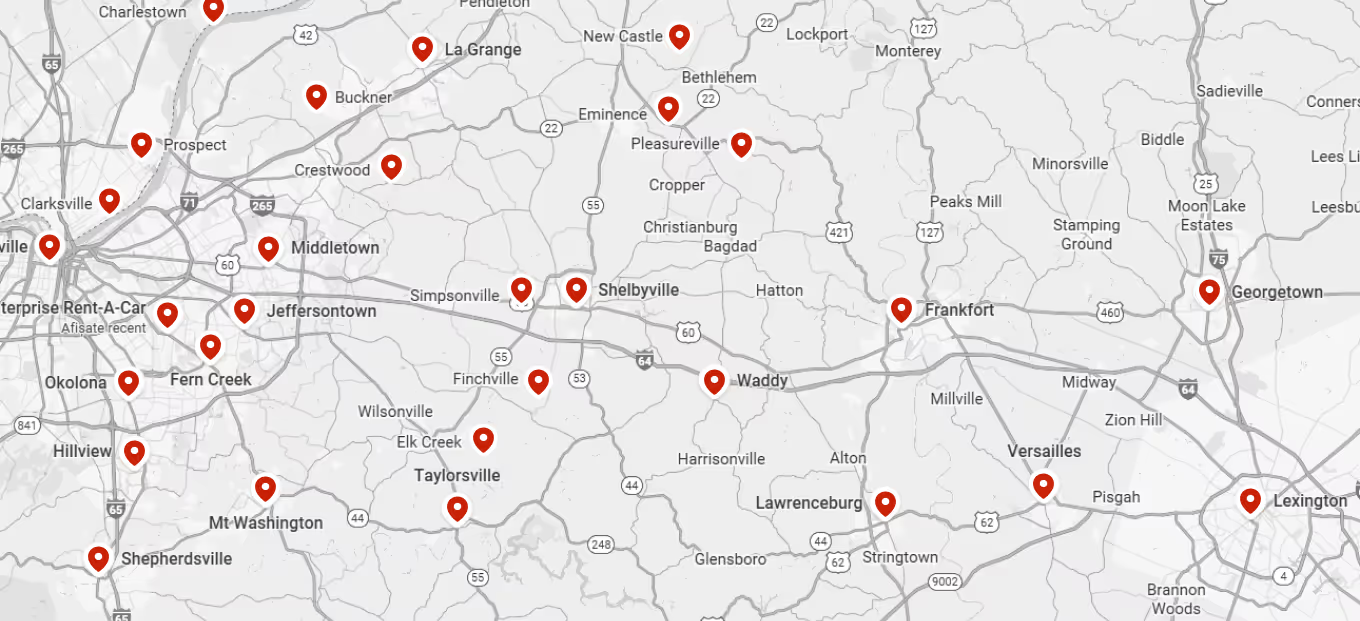
Proudly serving Spencer county, Jefferson county, Bullitt county, and the surrounding areas
Short Heading Goes Here
Sed iaculis aenean sit sed risus arcu vitae integer elit.

