



5 min read
Heating and Air Conditioning Repair Trends We See in Bardstown Every Fall
The Chilly September Start-Up: When to Worry About Your HVAC System
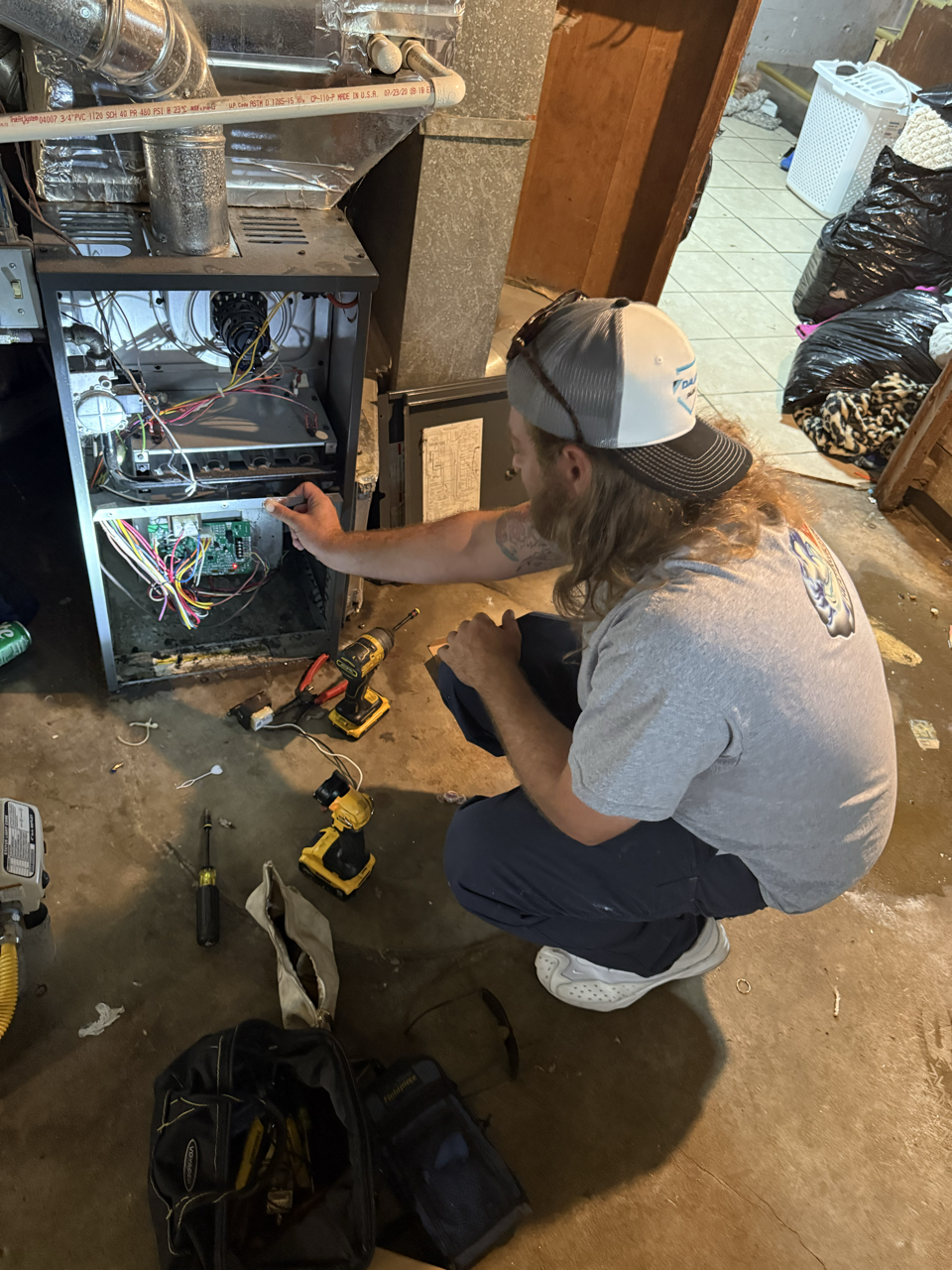
You turn your thermostat to "heat" for the first time in months, expecting a wave of warm air, but instead, you are greeted by a strange burning smell and an unsettling clanking noise. At 3D Heating and Cooling, we know that understanding the Heating and Air Conditioning Repair Trends We See in Bardstown Every Fall is the best way to determine if your system is just shaking off the summer dust or warning you of a serious mechanical failure. That initial transition from summer cooling to fall heating often reveals hidden issues that have been quietly developing while your equipment sat idle.
If you are already noticing troubling signs during that first chilly September start-up, exploring professional Heating Services is the safest way to protect your home.
The Anxiety of the First Cycle
The sudden shift to chilly September nights prompts homeowners across the region to test their heating systems. This initial start-up frequently causes anxiety. Furnaces and heat pumps that have not run since early spring will inevitably make some noise and produce minor odors as they power up. The challenge lies in distinguishing between a harmless seasonal transition and a critical mechanical fault.
Homeowners face a clear decision point during this transition. Ignoring a genuine mechanical problem during mild weather almost always guarantees a complete breakdown when freezing temperatures arrive. Conversely, panicking over a normal operational quirk creates unnecessary stress. By examining the specific patterns of wear and tear our technicians see in this region, you can make informed decisions about your home comfort system.
Decoding First-Cycle Odors: Harmless Dust vs. Hidden Hazards
One of the most frequent concerns we hear during a chilly September start-up is a distinct burning odor spreading through the house. In most cases, this is a normal physical reaction to months of inactivity. However, specific smells indicate severe electrical or mechanical dangers that require immediate intervention.
The Mechanics of Harmless Dust Burn-Off
When a furnace sits idle for four to six months, common household dust settles on the heat exchanger. The heat exchanger is the metal component that gets incredibly hot to warm the air circulating through your home. The moment the furnace ignites for the first time, that accumulated dust instantly burns off. This produces a noticeable, somewhat dusty, burning smell.
The timeline is critical: A harmless dust burn-off odor should begin dissipating within 30 to 60 minutes and completely vanish within a few hours of continuous operation. If the smell persists for days, you are no longer dealing with simple dust.
Recognizing Dangerous Odors
You must turn off your heating system immediately if you detect any of the following warning smells:
• Electrical burning: Smells like an overheated appliance or ozone, indicating failing blower motors or wiring issues.
• Melting plastic: Suggests wire casing is melting near a heat source, posing a severe fire risk.
• Exhaust or sulfur: Indicates a potential gas leak or improper venting of combustion gases.
Functional carbon monoxide detectors are non-negotiable during the fall transition. A cracked heat exchanger can leak life-threatening carbon monoxide into your living space without producing any obvious odors. During one recent fall service call we handled in Taylorsville, a homeowner's carbon monoxide detectors kept alarming shortly after they started their heating system. A professional inspection by our team revealed a severely cracked heat exchanger leaking exhaust gases into the home, which ultimately required a full system replacement to restore safety. Persistent smells or alarming detectors always demand professional heating repair and installation.


How Kentucky Summer Humidity Attacks Idle Flame Sensors
Our technicians at 3D Heating and Cooling frequently respond to a frustrating scenario for many homeowners in Bardstown neighborhoods: the furnace clicks, ignites for a few seconds, and then immediately shuts down. This specific mechanical failure trend is directly tied to the local climate profile and the components that sit idle during the cooling season.
The Role of the Flame Sensor
Modern gas furnaces rely on a small, delicate component called a flame sensor. This safety device sits directly in the path of the burner assembly. Its sole job is to detect whether a flame is actually present when the gas valve opens. If the sensor detects a strong flame, it tells the control board to keep the gas flowing. If it does not detect a flame within a few seconds, it shuts the gas valve off entirely to prevent explosive gas from filling your home.
The Impact of Local Climate
Kentucky's shifting autumn weather and high summer humidity directly cause the oxidation on idle furnace components that leads to early fall ignition failures. Throughout the muggy summer months, moisture in the air interacts with the metal surface of the idle flame sensor. This creates a microscopic layer of oxidation, rust, and soot.
When that chilly September start-up finally arrives, the oxidized layer acts as an insulator. The burners ignite perfectly, but the dirty sensor cannot feel the heat. As a result, the system shuts itself down as a safety precaution. Cleaning or replacing a delicate, oxidized flame sensor is a precision task. Scratching the sensor with the wrong material will destroy it permanently, which is why this requires a licensed professional. Scheduling pre-season heating tune-ups allows our technicians to clean these sensors before they leave you freezing on a cold night.
Short Cycling: Diagnosing a Furnace That Won't Stay On
A dirty flame sensor is just one reason a furnace might refuse to stay running. The broader symptom—where the system turns on and off rapidly without ever reaching the temperature set on the thermostat—is known as short cycling. In our experience, this is one of the primary drivers of emergency service calls our dispatchers receive during a chilly September start-up.
The High-Limit Switch and Airflow Restrictions
Furnaces are designed with a high-limit safety switch that monitors the internal temperature of the heat exchanger. If the system gets too hot, the switch cuts the power to prevent a fire or a cracked heat exchanger. The most common cause of this overheating is severely restricted airflow.
During the summer, air conditioners run constantly, pulling dust, pet dander, and debris into the system's air filter. Homeowners often forget to change this heavily soiled filter before switching to heating mode. The thick mat of dust acts like a wall, preventing cool air from flowing over the heat exchanger to absorb its heat. The internal temperature spikes, the high-limit switch trips, and the furnace shuts down. Once it cools off ten minutes later, it tries to start again, repeating the damaging cycle.
The Decision Framework for Homeowners
Short cycling puts immense strain on the blower motor, the control board, and the heat exchanger. If left unaddressed, it will destroy the system. We recommend using this simple framework to decide your next steps:
• Check the filter: Turn the system off and pull out the air filter. If it is gray, clogged, or opaque, replace it with a clean one.
• Check the vents: Ensure all supply and return vents in the home are fully open and unblocked by furniture.
• Call a professional: If you have a clean filter and open vents, but the short cycling persists, you have a deeper mechanical fault. Do not attempt to bypass safety switches or open the blower compartment yourself.
Heat Pump Reversals: Air Conditioning and Heating Transitions
While gas furnaces have their own start-up quirks, heat pumps present a completely different set of behaviors during the fall transition. Because a heat pump provides both cooling and heating, the shift in seasons requires the equipment to physically reverse its normal operation.
Understanding the Reversing Valve
Unlike a furnace that burns fuel to create heat, a heat pump moves existing heat from one place to another. In the summer, it absorbs heat from inside your house and pumps it outside. In the fall, a component called the reversing valve shifts position, reversing the flow of refrigerant. The system now absorbs ambient heat from the outdoor air and pumps it inside.
After months of operating in only one direction for air conditioning, the reversing valve can sometimes stick. When this happens during a chilly September start-up, the thermostat requests heat, but the stuck valve causes the system to continue blowing cold air into the home.
Normal Sounds vs. Warning Noises
Heat pumps are naturally noisier during seasonal transitions. Because we service so many heat pumps across Taylorsville and Bardstown, our technicians often field questions about these noises. Here is what we tell our customers to listen for:
• Loud "Whoosh" or sighing sound — Likely Cause: The reversing valve shifting pressure. — Action Required: None. This is normal operation.
• Brief clicking from the outdoor unit — Likely Cause: Relays opening and closing. — Action Required: None. This is normal operation.
• Harsh grinding or metal-on-metal squealing — Likely Cause: Failing fan motor bearings or compressor stress. — Action Required: Turn system off. Call for professional diagnosis.
• Hard, violent banging on start-up — Likely Cause: Loose internal mounts or severe compressor issues. — Action Required: Turn system off. Call for professional diagnosis.
Additionally, early-season frosts trigger the heat pump's defrost cycle. Homeowners frequently panic when they see steam rising from the outdoor unit on a frosty morning, mistaking it for smoke. This steam is simply the system melting frost off its outdoor coils—a perfectly normal and necessary function.
System Age and Wear Patterns in Local Housing
The age of the housing stock plays a massive role in the types of failures observed during the fall transition. Our team's deep familiarity with common Bardstown and Taylorsville neighborhoods, housing profiles, and age-related system trends allows our technicians to anticipate specific wear-and-tear patterns before we even arrive at the property.
The Vulnerability of Aging Systems
Systems that are 15 years old or more are particularly vulnerable to start-up stress after sitting dormant. The expansion and contraction of metal parts over a decade and a half take a toll. Older blower motors, which have lost their factory lubrication, often seize up during the initial heavy usage of the season. Aging heat exchangers, subjected to years of thermal stress, frequently develop hairline cracks that only expand when the metal heats up.
In one recent instance involving an older local property, our crew found an aging HVAC system that had already sustained significant wear was further compromised by unexpected basement flooding. The combination of age, environmental damage, and seasonal start-up stress necessitated a prompt system replacement to restore reliable indoor comfort safely.
Repair vs. Replacement Discussions
While minor repairs like replacing a capacitor or cleaning a flame sensor can keep older systems running, major component failures on aging units often prompt replacement discussions. If a 15-year-old system suffers a cracked heat exchanger or a blown compressor during the first fall cycle, sinking significant funds into a repair is rarely a wise investment. Proactively addressing these aging systems now prevents emergency situations from ruining holiday gatherings or leaving you stranded during an extreme cold snap. Relying on professional Bardstown HVAC services ensures you get an honest assessment of your equipment's remaining lifespan.
The Urgency of September Diagnostics Before the Freeze
We always advise our customers that mild September days offer a valuable grace period. The weather is cool enough to test your heating system, but not so freezing that a breakdown constitutes a dangerous emergency. This window of opportunity is the best time to resolve hidden mechanical issues exposed by a chilly September start-up.
The Compounding Cost of Delay
Waiting for the first true freezing temperatures turns minor start-up quirks into full-blown emergency breakdowns. A slightly dirty flame sensor that causes intermittent short cycling in September will completely fail when the furnace is forced to run continuously during a November cold snap. A blower motor bearing that squeaks slightly in early fall will seize entirely when put under maximum load.
The stress on a compromised system compounds exponentially as the temperature drops. What could have been a simple cleaning or minor adjustment escalates into a catastrophic failure of primary components.
The Strategic Advantage of Proactive Care
Scheduling professional diagnostics with our team during the milder weeks provides several distinct advantages:
1. Better scheduling flexibility: You are not competing with hundreds of other homeowners who all woke up to a freezing house on the same morning.
2. Accurate assessments: Technicians can thoroughly test the system without the pressure of a rushing emergency schedule.
3. Time to review options: If a major repair or replacement is needed, you have time to review estimates and make a calm decision.
Enrolling in a preventative maintenance plan automates this process, ensuring licensed professionals inspect, clean, and calibrate your system before the severe weather arrives. Remember, any symptom beyond a basic dirty air filter requires professional intervention to resolve safely.
Frequently Asked Questions About Fall HVAC Start-Ups
Homeowners in Bardstown and Taylorsville consistently ask our technicians the same questions when transitioning their systems for the season. Here are clear answers to help you navigate early fall operations.
Why does my furnace smell when I turn it on for the first time?
It is typically accumulated dust burning off the heat exchanger. When the system sits idle all summer, dust settles on the internal components and safely burns away during the initial ignition. The smell should dissipate within a few hours of operation. However, if it smells like melting plastic, electrical burning, or sulfur, turn the system off immediately and call a professional.
Why does my furnace turn on and off quickly?
This is called short cycling, and it is often caused by a dirty flame sensor or a severely clogged air filter. Restricted airflow causes the system to overheat and trip its internal safety switches, shutting the burners down prematurely. This prevents the home from heating properly and puts massive strain on the system's mechanical parts.
When should I call a professional for furnace noises?
Call a professional if you hear grinding, loud banging, continuous rattling, or metal-on-metal squealing. While a low hum or the sound of rushing air is normal, harsh mechanical noises indicate severe stress, failing motor bearings, or loose internal components. These issues require expert attention before they cause a complete breakdown.
How do I prep my HVAC for fall?
Start by changing the indoor air filter, clearing any leaves or debris from around the outdoor heat pump unit, and ensuring all indoor vents are open and unblocked. Once the basic homeowner tasks are complete, schedule a professional diagnostic. A licensed technician needs to check the internal electrical components, test safety switches, and verify proper gas pressure.
What is the most common furnace repair in early fall?
Cleaning or replacing oxidized flame sensors and addressing ignition failures are the most frequent professional repairs during the seasonal transition. Summer humidity often corrodes these delicate sensors while the furnace sits idle. Addressing airflow restrictions caused by forgotten summer air filters is also a highly common early-season fix.
Secure Your Comfort Before the Winter Freeze Arrives
At 3D Heating and Cooling, we believe that taking early warning signs seriously during the fall transition is the key to a comfortable, stress-free winter. A chilly September start-up is your system's way of revealing the hidden wear and tear that accumulated over the summer. Distinguishing between a harmless seasonal quirk, like a brief dust burn-off, and a critical mechanical failure, like a cracked heat exchanger, requires technical expertise and specialized tools.
Do not wait for the first hard freeze to find out if your heating system is up to the task. Seek professional diagnostics now to ensure your equipment is safe, efficient, and fully prepared for the incoming winter weather. Securing a comprehensive inspection today provides the reassurance that your home will stay warm exactly when you need it most.
Financing

Now Offering Financing Options with Affordable Monthly Payments
where we operate
Service Areas
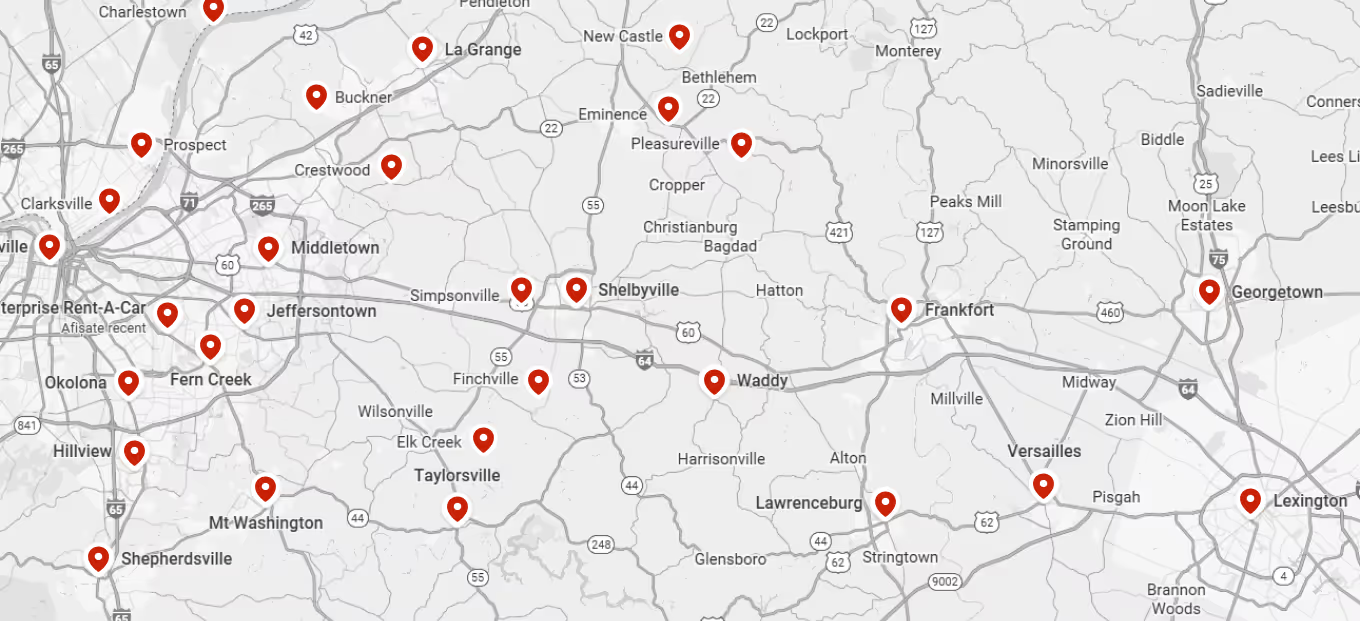
Proudly serving Spencer county, Jefferson county, Bullitt county, and the surrounding areas
Short Heading Goes Here
Sed iaculis aenean sit sed risus arcu vitae integer elit.

