



5 min read
Can I Use Last Year's Leftover Furnace Filters?
Preparing for Fall: Evaluating Your Leftover Furnace Filters
The September pre-heating season transition is officially here, and as you start checking items off your home maintenance list, you might find yourself asking: Can I use last year's leftover furnace filters? It is a common scenario for many homeowners doing early fall prep. You head out to the garage or down to the basement, check your storage shelf, and discover a brand-new, unused filter still wrapped in plastic from last winter. At first glance, it seems like a win. You can save yourself a trip to the hardware store and check one more chore off your weekend list.
Here is the thing: visible dirt is not the only indicator of a compromised filter. While that spare filter might look perfectly clean, the conditions it was stored in over the summer play a massive role in whether it is actually safe to put into your HVAC system. Choosing to install a compromised filter to save a few minutes can lead to poor indoor air quality and put unnecessary strain on your heating equipment just as the cold weather sets in.
Evaluating your leftover filters correctly right now is one of the smartest indoor air quality solutions you can implement before the first freeze. Taking a few minutes to inspect that spare filter ensures your furnace breathes easily and your home's air remains clean throughout the demanding winter months.
The Hidden Risks of Storing Filters in Unconditioned Spaces
When we talk about storing spare parts for your home, the environment matters just as much as the packaging. Unconditioned spaces—like garages, unfinished basements, and attics—experience wild temperature swings and massive moisture fluctuations throughout the year. In our region, Taylorsville KY unconditioned garages and basements routinely endure intense summer heat paired with heavy moisture.
With summer humidity often exceeding 70% in the area, that ambient moisture easily penetrates cardboard boxes and even thin plastic wrap. This is a significant problem because standard furnace filters are not designed to withstand prolonged exposure to damp environments.
How Hygroscopic Materials React to Humidity
Standard pleated furnace filters are typically made from paper, fiberglass, or woven cotton blends. These materials are highly hygroscopic, which is a scientific way of saying they act like sponges for moisture. They actively absorb water vapor directly from the surrounding air.
When a filter sits in a humid garage for six months, the microscopic fibers inside the pleated media begin to physically swell. This swelling alters the structural integrity of the filter before it ever enters your HVAC system. The precise gaps between the fibers—which are engineered to let air pass through while trapping dust—become distorted, choked, or clumped together.
The 60% Humidity Threshold
Moisture absorption creates a secondary, invisible threat: mold. According to Environmental Protection Agency (EPA) guidelines, mold and organic dust thrive when relative humidity consistently stays above the 60% threshold.
During the summer, microscopic mold spores float through the air and settle onto unused filter media. Because the paper or cotton fibers are already damp from the high humidity, these spores find the perfect environment to latch onto. When you finally install that filter in the fall, your furnace blower motor will push air through a damp, spore-laden surface, spreading those contaminants directly into your living space.
• Conditioned Indoor Closet — Humidity Control: Stable (usually 40-50%) — Impact on Unused Furnace Filters: Filters remain dry, fibers hold their shape, and shelf life is virtually indefinite.
• Unconditioned Garage — Humidity Control: High (often 70%+) — Impact on Unused Furnace Filters: Cardboard frames warp, fibers swell and clump, and mold spores settle on the media.
• Damp Basement — Humidity Control: High & Stagnant — Impact on Unused Furnace Filters: High risk of mildew absorption, musty odors, and complete loss of structural rigidity.
The Danger of Warped Cardboard Frames
While the internal filter media takes a beating from summer moisture, the outer structure suffers just as much. The cardboard frames that hold pleated filters together lose their rigidity entirely after absorbing months of ambient humidity in Taylorsville KY unconditioned garages and basements. A soft, warped cardboard frame might not seem like a major mechanical issue, but it is one of the fastest ways to damage your heating system.
Why Filter Fit Matters for Furnace Efficiency
Furnace filters rely on a tight, geometric fit within the filter track to do their job. ASHRAE standards regarding filter bypass highlight that even a small gap can severely compromise system efficiency. When a cardboard frame warps or bows from moisture damage, it no longer sits flush against the metal track.
This creates a phenomenon known as "air bypass." Instead of forcing air through the dense, pleated media, the system takes the path of least resistance. Up to 25% of the untreated, dusty air can flow right around the warped edges of the filter, bypassing the filtration process entirely.
From Poor Airflow to Major Repairs
When air bypasses the filter, all the dust, pet dander, and debris in your return ducts get sucked directly into the furnace cabinet. This debris coats the sensitive blower motor and creates an insulating layer of grime across the heat exchanger.
The cascading effects of a warped filter include:
• Overheating components: Dust buildup forces the blower motor to work harder, increasing electrical draw and wear.
• Tripped limit switches: Restricted or bypassed airflow causes the furnace to run hotter than designed, triggering safety shutdowns.
• Cracked heat exchangers: Severe, chronic overheating expands and contracts the metal heat exchanger until it fractures, which can release dangerous carbon monoxide into the home.
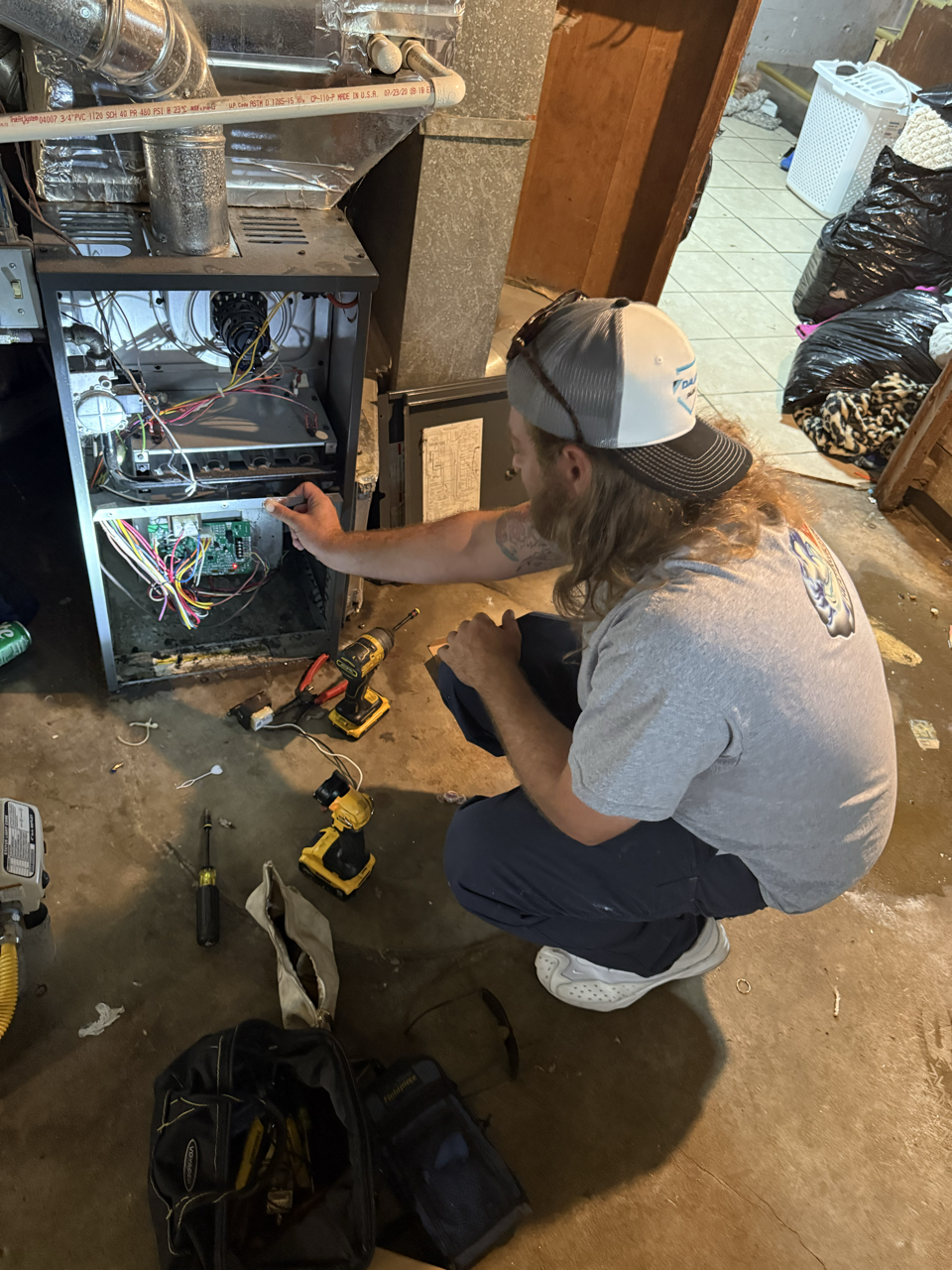
One local homeowner experienced this firsthand during a recent winter. Their carbon monoxide detectors kept alarming, and when technicians arrived, they found a cracked heat exchanger—a direct consequence of severe system strain and overheating. The damage was extensive enough that the technicians had to replace the old furnace and AC unit entirely within a few hours to restore safe heating. Preventing this kind of catastrophic failure often starts with something as simple as ensuring your filter fits properly. If you suspect your system has already suffered from poor airflow or overheating, scheduling residential furnace repair before the deep freeze arrives is critical.
The 4-Step Keep-or-Toss Inspection for Leftover Filters
If you have found a spare filter during your September pre-heating season transition prep, do not just slide it into the furnace blindly. Use this definitive, visual, and tactile inspection process to remove the guesswork and protect your equipment.
1. Step 1: The Smell Test. Hold the unused filter close and take a quick sniff. Look for any musty, mildew-like odors, or the smell of old, damp cardboard. If it smells like a wet basement, mold spores have already settled into the media. Toss it immediately.
2. Step 2: Frame Rigidity. Gently twist the cardboard frame with your hands. It should feel stiff, crisp, and structurally sound. If the cardboard feels soft, bends easily, or shows signs of bowing along the edges, it has absorbed too much summer humidity. A soft frame will collapse under the pressure of the blower motor. Toss it.
3. Step 3: Moisture Spots. Inspect the white pleated paper under a good light. Look for faint watermarks, yellowing discoloration, or wavy, distorted pleats. Even if the filter was wrapped in plastic, condensation can form inside the packaging. Any visible distortion means the fibers are compromised. Toss it.
4. Step 4: Settled Dust. If the filter was stored without a plastic wrapper, inspect the surface for a layer of fine garage dust, sawdust, or cobwebs. Starting the season with a filter that is already partially clogged defeats the purpose of a fresh start. Toss it.
If your leftover filter passes all four of these checks—it smells clean, the frame is rigid, the media is pristine, and it is dust-free—it is safe to use for the upcoming heating season.


Why Fresh Filters Protect Your Furnace Health
Starting the heating season with a pristine, undamaged filter sets the baseline for optimal furnace performance. When you consider the thousands of cubic feet of air your system processes every single day, the condition of that initial barrier dictates the health of the entire HVAC system.
Fresh filters prevent the introduction of stale odors or microscopic mold spores into your home's ductwork. They ensure that the air you breathe is clean, and they protect the sensitive mechanical components inside the furnace cabinet from abrasive dust. Most importantly, the cost of a brand-new filter is negligible compared to the cost of compromised indoor air quality or the system strain caused by a warped, leftover filter.
Choosing the Right Replacement
If your inspection reveals that last year's leftover filter needs to go in the trash, buying a replacement is your next step. Always check your manufacturer specifications for the correct filter thickness and replacement frequency. Selecting the right rating—such as weighing the benefits of MERV 8 vs. MERV 11 filters—ensures you achieve the perfect balance between robust allergen control and healthy, unrestricted airflow for your specific furnace model.
Eliminating the Guesswork with Routine HVAC Maintenance
Evaluating and replacing your furnace filter is a crucial first step, but it is just one component of comprehensive fall HVAC preparation. Even with a brand-new filter, your system requires professional attention to ensure it operates safely and efficiently through the winter.
Professional tune-ups go far beyond the filter track. Technicians check the static pressure of your ductwork, evaluate the electrical draw of the blower motor, and perform rigorous safety inspections on the heat exchanger to ensure there are no cracks or carbon monoxide leaks.
For homeowners who want to completely eliminate the stress of seasonal filter changes and system checks, enrolling in an HVAC maintenance plan is the best strategy. 3D Heating and Cooling is committed to indoor air quality, and our comprehensive maintenance plans automatically manage your system's health. We ensure you always have the right filters installed at the right time, giving you total peace of mind before the first freeze hits.
Frequently Asked Questions About Furnace Filters
Do furnace filters expire?
Furnace filters do not have a strict expiration date printed on their packaging. Their lifespan depends entirely on how and where they are stored. If kept in a dry, climate-controlled environment, a standard pleated filter can last for years without degrading. However, if exposed to moisture, extreme heat, or unconditioned air, they can become unusable in just a few months.
How long can you store furnace filters?
In a climate-controlled environment like an indoor hallway closet, you can store furnace filters almost indefinitely. The stable humidity and temperature keep the cardboard frames rigid and the paper media crisp. In unconditioned spaces like garages or attics, they may degrade in a single humid season, making bulk buying risky if you lack proper indoor storage.
Does humidity ruin unused air filters?
Yes, high humidity actively ruins unused air filters by swelling the hygroscopic paper fibers and softening the cardboard frame. As the materials absorb water vapor from the air, the physical structure of the filter distorts, which restricts airflow. Furthermore, a damp filter creates an environment highly conducive to mold and mildew growth.
Can you vacuum and reuse a furnace filter?
Standard disposable pleated filters should never be vacuumed or washed. The suction from a vacuum cleaner damages the delicate, microscopic fibers designed to trap dust, effectively tearing holes in the filtration media. Additionally, vacuuming often forces fine dirt deeper into the filter, clogging it further rather than cleaning it.
What happens if I use a moldy furnace filter?
If you install a moldy furnace filter, the blower motor will actively distribute mold spores throughout your ductwork and into your living spaces. This can trigger severe allergies, asthma flare-ups, and respiratory irritation for your family. It will also cause a persistent, musty odor to fill your home every time the heating system kicks on.
Does a warped filter frame reduce heating efficiency?
Yes, a warped filter frame significantly reduces heating efficiency by allowing untreated air to bypass the filter media. When air flows around the bent cardboard edges, dust and debris build up on the internal blower motor and heat exchanger. This buildup insulates the components, forcing the system to run longer and consume more energy to achieve the same temperature on your thermostat.
Ensure Your System is Ready for Winter
As the September pre-heating season transition gets underway, taking a few minutes to inspect your leftover filters is a small task that yields major benefits. A fresh, properly fitting filter is the absolute best start to the heating season, protecting both your indoor air quality and your equipment.
If you are unsure about your system's health, noticing weak airflow, or want an expert to verify your furnace is safe to operate, do not wait for the first freezing night. Reach out to a local professional to schedule your pre-season inspection and ensure your home stays warm, safe, and efficient all winter long.
Financing

Now Offering Financing Options with Affordable Monthly Payments
where we operate
Service Areas
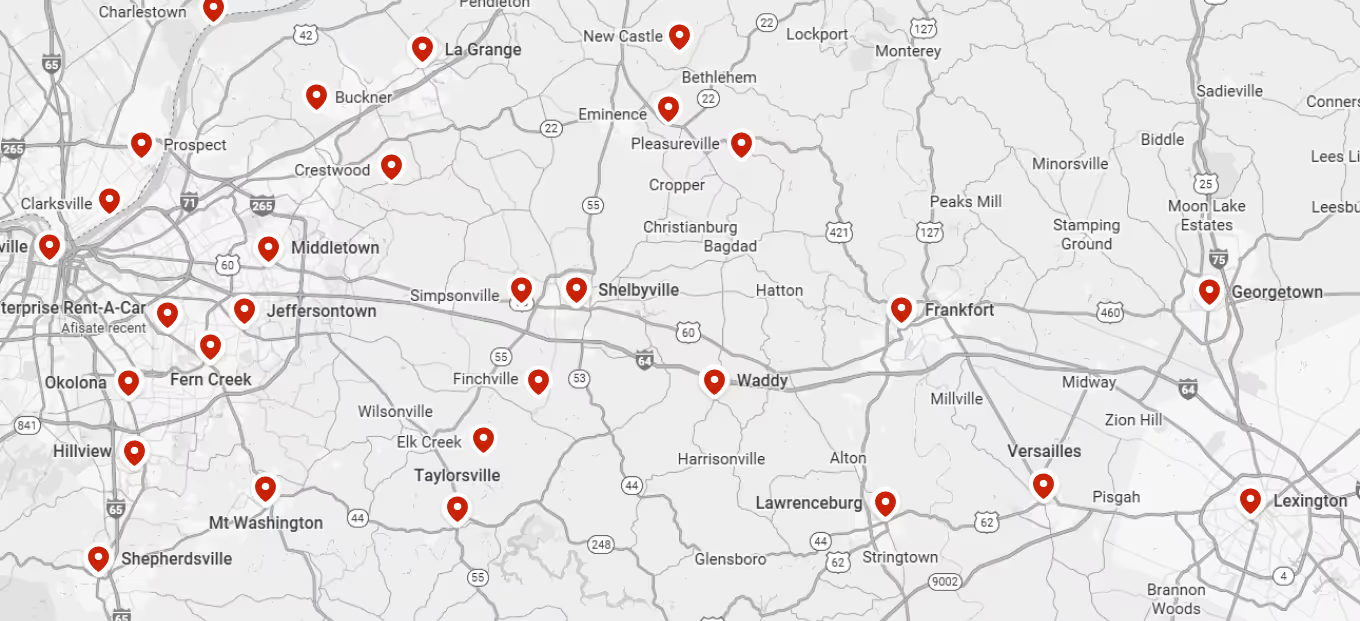
Proudly serving Spencer county, Jefferson county, Bullitt county, and the surrounding areas
Short Heading Goes Here
Sed iaculis aenean sit sed risus arcu vitae integer elit.

