



5 min read
Why West Point Residents Trust Edge HVAC Alternatives Like 3D Heating
The Challenge of Finding Reliable Fall Heating Preparation
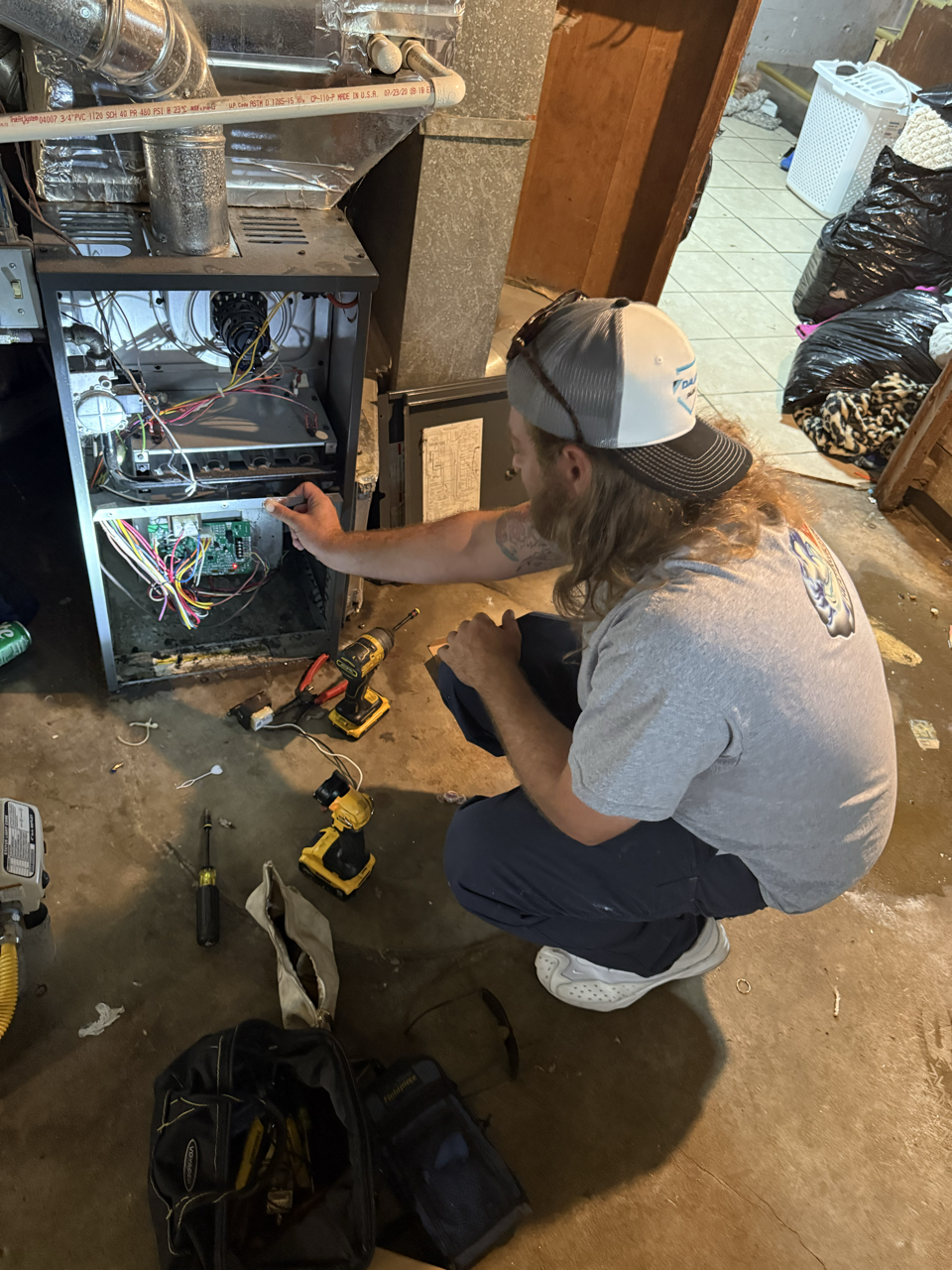
Your furnace has been sitting dormant for months, and with the evening air finally getting crisp, you realize it hasn't been inspected since last winter. In our years of serving the local community, our team at 3D Heating and Cooling has seen exactly how this seasonal panic sets in. If you are wondering why West Point residents trust edge HVAC alternatives like 3D Heating, it often comes down to this exact moment. You know a sudden freeze is just around the corner, yet getting a responsive technician on the phone before the cold weather hits can feel nearly impossible. When you need comprehensive HVAC services or dependable heating installation and repair, having a team that lives and works in your community makes all the difference.
The urgency of early preparation: The local climate does not wait for your schedule to clear up. The rapid transition from hot, humid summers to freezing winters in the West Point area leaves a very narrow window for proactive system checks. Once the first major temperature drop occurs, local demand for heating repairs skyrockets overnight. Homeowners who wait until their home is already freezing often find themselves stuck at the back of a very long line.
The frustration of out-of-town delays: A common challenge homeowners face is relying on out-of-town contractors or large national chains. When extreme weather strikes, these dispatchers pull their technicians in dozens of different directions, leading to canceled appointments, delayed service windows, and days spent shivering in your own home. Establishing a relationship with a trusted local contractor hinges on their dedicated service footprint. By focusing strictly on the surrounding neighborhoods, hyper-local experts provide rapid response times and transparent value that out-of-town alternatives simply cannot replicate.
The Critical Window for Pre-Season System Diagnostics
The early fall pre-heating season is undeniably the most important time for HVAC maintenance. Transitioning your home's climate control properly prevents mid-winter emergencies that are both stressful and entirely avoidable. Shifting your thermostat from cooling to heating places unique stress on dual-system components. Parts that have been handling condensation and high humidity all summer must suddenly pivot to generating and distributing intense heat.
According to data from the U.S. Department of Energy, pre-season maintenance significantly reduces the risk of sudden system breakdowns while maximizing energy efficiency. When professional technicians inspect your equipment before the heavy workload begins, they can identify minor wear and tear before it cascades into a catastrophic failure. This is especially true for homes utilizing integrated air conditioning solutions alongside their furnaces, where shared blower motors and ductwork require careful calibration.
Safety implications of early inspections: Beyond comfort, early fall diagnostics are a matter of life safety. For example, our team recently responded to a local homeowner who reached out during the early fall when their carbon monoxide detectors began alarming out of nowhere. A prompt diagnostic by our technicians revealed a severely cracked heat exchanger inside their old furnace. Because the issue was caught in time, the failing equipment was safely replaced with a brand-new furnace and AC system before the harsh winter weather arrived.
To ensure operational peace of mind, a thorough pre-season diagnostic typically includes:
• Heat exchanger inspection: Verifying there are no cracks or compromised seams that could leak dangerous combustion gases into your living space.
• Burner calibration: Cleaning and adjusting the burners for safe, efficient fuel combustion.
• Electrical connection testing: Tightening loose wires and measuring voltage to prevent sudden motor burnouts.
• Airflow measurement: Checking static pressure to ensure the blower motor isn't straining against hidden blockages.
• Thermostat verification: Ensuring the system responds accurately to temperature commands as the weather shifts.
Why a Dedicated Service Footprint Dictates Response Times
When your heating system fails on a freezing night, the physical distance between your home and your HVAC contractor's base of operations becomes the most critical factor in your comfort. The operational advantages of a hyper-local HVAC provider are immense, and proximity translates directly to faster emergency resolutions. A defined local service footprint means technicians spend their time fixing systems, not sitting in highway traffic.
Consider the critical difference rapid response makes during extreme weather. In one instance last winter, our dispatchers took an emergency call from a local customer who experienced a terrifying situation when their HVAC system stopped running late in the evening on the coldest day of the year. Because our technicians were stationed nearby, we dispatched a truck immediately and quickly got the system back up and running. By addressing the failure promptly, our team repaired the immediate issue and helped the homeowner avoid a full, unexpected system replacement in the dead of winter.
Equipped for the neighborhood: A concentrated service area also allows local technicians to stock their vans strategically. They understand the specific housing styles, common equipment brands, and local building codes prevalent in the West Point area. Instead of driving back to a distant warehouse for a generic part, they arrive with the exact components needed to restore your heat on the first visit.
3D Heating and Cooling's strong local service footprint enables the rapid response times that out-of-town competitors simply cannot match. Prioritizing a specific community builds long-term reliability and trust. When you know your contractor considers your neighborhood their primary responsibility, you gain the confidence that your family's comfort will never be treated as an afterthought.
• Dispatch Speed — Dedicated Local Provider: Rapid response due to short travel distances and neighborhood routing. — Out-of-Town Contractor: Subject to highway delays and broad, multi-county routing schedules.
• Parts Availability — Dedicated Local Provider: Trucks stocked specifically for the equipment common in the local area. — Out-of-Town Contractor: Often requires secondary trips to distant supply houses for specific parts.
• Weather Awareness — Dedicated Local Provider: Intimately familiar with local microclimates and sudden temperature drops. — Out-of-Town Contractor: Relies on generic regional forecasts that may miss localized freezing events.
• Accountability — Dedicated Local Provider: Deeply invested in community reputation and long-term neighbor relationships. — Out-of-Town Contractor: Often relies on volume-based dispatching with less focus on individual communities.


Evaluating Trustworthy Heating Alternatives in Your Community
Finding a reliable contractor is about more than just reading a few online reviews. It requires evaluating how a company operates, communicates, and values your time. When choosing a reliable HVAC company near you, it is essential to look for transparent value and genuine expertise over generic, high-pressure sales tactics.
The hallmarks of a trustworthy contractor are clear communication, comprehensive diagnostics, and a commitment to solving your actual problem rather than pushing an immediate upsell. You need technicians who understand the specific regional climate demands of the West Point area, as well as the strict local building codes that govern safe exhaust venting and gas line installations.
The Value of Transparent Diagnostics
Thorough system assessments: A dependable technician does not just glance at a furnace and declare it broken. At 3D Heating and Cooling, we train our technicians to perform a deep, methodical assessment of the entire system, from the thermostat to the ductwork. This ensures they are treating the root cause of the failure, rather than just applying a quick, temporary fix that will inevitably fail again.
Clear explanations of options: When a major issue is discovered, a trustworthy professional will sit down and explain the difference between a repair and a replacement. They will provide the data you need to make an informed decision, outlining the expected lifespan of the current unit, the efficiency gains of a new system, and the overall safety implications of your choice.
Prioritizing Proactive Education
Understanding system efficiency: The best local contractors view themselves as educators. They take the time to help homeowners understand how their specific system operates, how to program their thermostats for maximum efficiency, and what normal operational noises sound like versus warning signs of impending failure.
Actionable advice for air quality: Indoor air quality plummets during the winter when homes are sealed tightly against the cold. A knowledgeable technician will provide actionable advice on maintaining healthy air, from selecting the right MERV rating for your filters to managing indoor humidity levels to prevent dry winter air from damaging your woodwork and irritating your family's respiratory systems.
Strategic System Upgrades During the Fall Transition
There is a significant difference between choosing to upgrade your heating system on a mild autumn afternoon and being forced to replace it during a blizzard in January. Discussing when it makes sense to upgrade an aging system proactively is a crucial part of the early fall pre-heating season. Waiting for a catastrophic winter failure severely limits your options and adds immense stress to the process.
Sometimes, external factors make replacement unavoidable. For example, following severe basement flooding in the spring, our installation crew worked with a homeowner who found their HVAC equipment irreparably water-damaged. We replaced the entire HVAC system promptly and politely, ensuring the home was restored to a safe, climate-controlled environment. While flooding forces an immediate upgrade, age and wear should prompt a similarly proactive response before winter strikes.
The logistical benefits of fall replacement: Replacing equipment during the milder fall months offers incredible logistical advantages. Scheduling is significantly more flexible, allowing you to choose an installation date that fits your busy life. Furthermore, because your home is not actively freezing, the temporary downtime during the installation process is a minor inconvenience rather than a major emergency.
Exploring energy incentives: Upgrading proactively also gives you the time to research and apply for generic energy rebates and federal tax credits available for high-efficiency upgrades. While you should always verify current programs and exact qualifications with your utility provider or a tax professional, these incentives can make transitioning to a modern, energy-efficient system much more attainable. Having a contractor who will patiently walk through all these options—rather than forcing a single, rushed solution—is the ultimate sign of a reliable local partner.
Signs your older system is no longer viable:
1. Frequent, escalating repair calls: If you are calling for service multiple times a season, the system is failing.
2. Inconsistent heating: Cold spots in certain rooms indicate the blower or heat exchanger is losing capacity.
3. Rising energy consumption: A sudden spike in your utility bills suggests the unit is working twice as hard to produce the same amount of heat.
4. Excessive noise: Grinding, banging, or squealing sounds often point to terminal motor or blower failure.
5. Age of the equipment: Systems older than 15 years are operating on borrowed time and outdated efficiency standards.
Tailored Heating Solutions for Unpredictable Winters
Freezing winter temperatures require heating systems that are specifically calibrated for the local climate, not generic out-of-the-box setups. Local experts provide better-suited equipment recommendations because they understand exactly what it takes to handle the regional weather patterns of the West Point area. An off-the-shelf system might work perfectly in a mild southern climate, but it will struggle and fail when subjected to a sudden, deep freeze in our region.
Modern, high-efficiency systems are designed to maintain consistent indoor comfort by modulating their output based on the exact temperature demands of the home. However, these advanced systems only deliver their promised efficiency if they are selected and installed correctly. Local contractors ensure even heating throughout the home by addressing specific architectural challenges, such as poorly insulated bonus rooms, drafty historic windows, or sprawling single-story layouts.
Precision System Sizing
Avoiding the pitfalls of improper sizing: One of the most common mistakes made by inexperienced or out-of-town contractors is guessing the size of the required furnace based solely on square footage. An oversized unit will short-cycle, blasting the home with heat and shutting off before it can properly filter the air or manage humidity. An undersized unit will run continuously, driving up utility bills while failing to keep the home warm during extreme cold snaps.
Calculating precise heating loads: To avoid these pitfalls, our professional local technicians always perform precise heating load calculations. We evaluate the home's insulation, window quality, ceiling height, and orientation to the sun. This meticulous process ensures the selected equipment is perfectly matched to the home's unique thermal dynamics, resulting in optimal efficiency, reduced wear and tear, and a longer lifespan for the new system. Long-term comfort relies entirely on this level of professional, code-compliant installation.
Partnering with 3D Heating and Cooling for Lasting Comfort
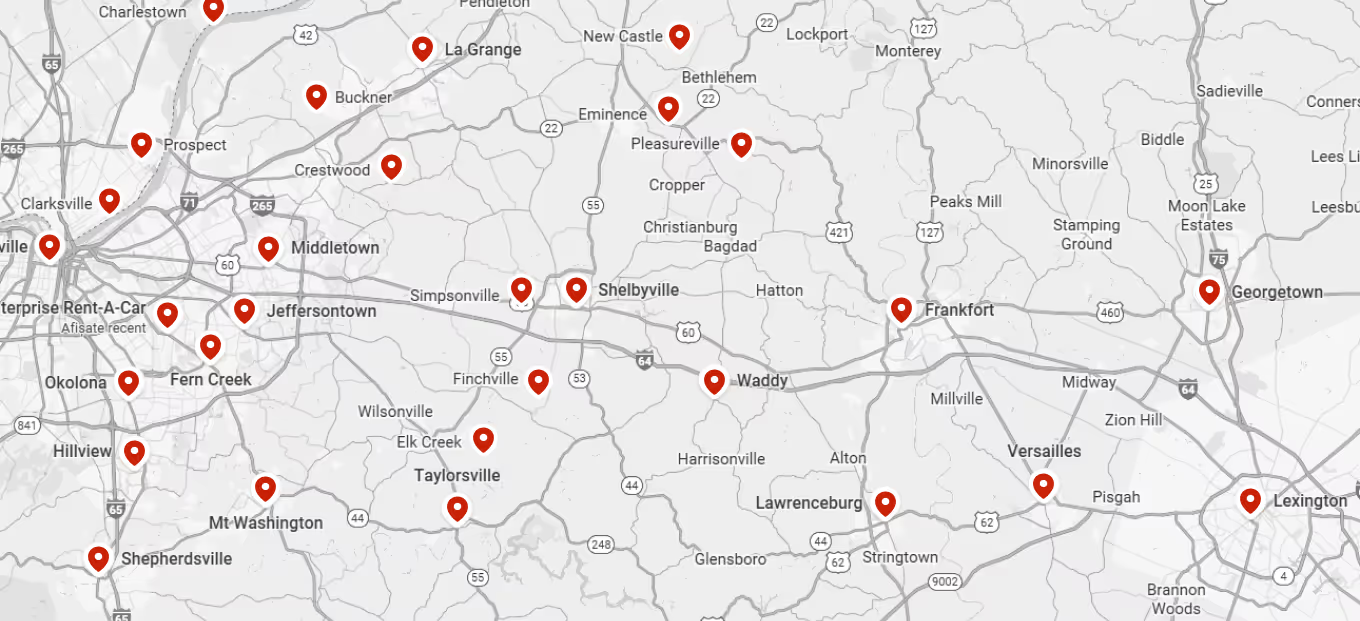
Securing your home for the winter is not a task that should be left to chance or delayed until the first frost covers your windshield. The peace of mind that comes from having a dedicated local HVAC partner is invaluable. By choosing our team, which focuses on the specific needs of communities from Taylorsville to West Point, you guarantee that help is always nearby when you need it most.
The early fall pre-heating season is the optimal time to take action. Whether your system requires a comprehensive tune-up, minor repairs, or a strategic upgrade to a high-efficiency model, acting before the cold weather fully sets in protects your home and your budget. Schedule your inspection or consultation today, and rest assured that expert, rapid-response help is always available right here in your own neighborhood.
Frequently Asked Questions
Why is local HVAC service important for winter preparation?
Local HVAC service guarantees much faster response times during sudden cold snaps. Because local technicians focus on a specific geographic footprint, they aren't delayed by long highway commutes or multi-county dispatch routes. They also carry parts that are specifically suited to the types of heating systems commonly found in your neighborhood.
What makes a heating contractor reliable?
A reliable heating contractor prioritizes transparent communication, thorough diagnostics, and proactive education over high-pressure sales. They will clearly explain the difference between necessary repairs and optional upgrades, providing the information you need to make an informed decision. Furthermore, a reliable contractor is fully licensed, insured, and deeply familiar with local building codes.
When should I schedule fall HVAC maintenance?
You should schedule your fall HVAC maintenance in the early autumn, ideally before you need to turn your heating system on for the first time. Having your system inspected in September or October ensures that any hidden issues are resolved before freezing temperatures arrive. This proactive approach prevents unexpected breakdowns during peak winter demand.
How quickly can a local HVAC company respond to heating emergencies in the West Point area?
A dedicated local HVAC company can typically respond to heating emergencies much faster than out-of-town competitors, often providing same-day or swift after-hours service. Because their technicians are already stationed in or near the West Point area, they bypass the logistical delays associated with regional dispatch centers. This rapid response is crucial for preventing frozen pipes and maintaining safe indoor temperatures.
What are the signs my furnace needs an early fall pre-heating season inspection?
If your furnace is making unusual grinding or banging noises, producing strange odors, or failing to heat rooms evenly, it needs an immediate inspection. Additionally, if your system is over ten years old or you noticed a spike in your heating bills last winter, a pre-season diagnostic is highly recommended. Catching these warning signs early prevents minor wear from turning into a major mid-winter failure.
Financing

Now Offering Financing Options with Affordable Monthly Payments
where we operate
Service Areas
Proudly serving Spencer county, Jefferson county, Bullitt county, and the surrounding areas
Short Heading Goes Here
Sed iaculis aenean sit sed risus arcu vitae integer elit.

