



5 min read
Sealing Drafts and Windows Before the First Taylorsville Freeze
The Urgent September Shift: Prepping for Kentucky's Rapid Temperature Drops
With autumn rapidly approaching, sealing drafts and windows before the first Taylorsville freeze is the single most important step you can take to protect your heating system from sudden, severe strain. Here at 3D Heating and Cooling, we've seen firsthand how unpredictable Kentucky weather can be during the transition from late summer to early fall. The mild, comfortable days of September can abruptly give way to a biting October cold front overnight. If your home's exterior is practically a sieve for cold air, your heating system will bear the brunt of that rapid temperature drop.
Many homeowners face a critical decision during the September pre-heating season: proactively seal structural drafts now, or wait until the first real freeze forces the heating equipment to run continuously just to maintain a baseline temperature. Waiting is a costly gamble. According to the U.S. Department of Energy, heat gain and heat loss through windows are responsible for 25% to 30% of residential energy use. When cold air constantly infiltrates your living space, your furnace or heat pump is forced to work overtime. Ultimately, weatherizing your home is not just about personal comfort—it is a vital strategy for protecting your mechanical heating equipment from premature wear and catastrophic failure.
Ready to protect your equipment before the cold hits? Schedule your Heating Services or join our HVAC Maintenance Plan today.
Understanding How Thermal Load Impacts Taylorsville KY Homes
To grasp why a drafty window is so detrimental to your furnace, you first need to understand the concept of "thermal load." In simple terms, thermal load is the exact amount of heating required to maintain a comfortable, consistent indoor temperature. When a house is perfectly sealed and well-insulated, the thermal load is relatively low. The heating system turns on, warms the space efficiently, and shuts off, resting until the temperature naturally dips again.
However, when structural drafts are present, they increase this load exponentially. Cold air pushes in through unsealed gaps while your expensive, heated air escapes right out the window frames. The root cause of this problem is a failure in the home's building envelope—the physical barrier between the conditioned interior and the unconditioned exterior, which includes your insulation, windows, doors, and exterior walls. In our years of serving the community, we've noticed that many older Taylorsville KY homes, particularly aging farmhouses or mid-century builds with original single-pane glass and settling foundations, are highly susceptible to rapid heat loss. The architectural charm of these properties often hides significant envelope vulnerabilities that our technicians find placing immense strain on modern HVAC equipment.
The Invisible Drain on Heating Efficiency
When air leaks go unaddressed, they force a heating system to run almost continuously. The thermostat registers the constant influx of cold air and signals the furnace to keep firing. This creates a dangerous cycle where the equipment never gets a chance to rest.
It is crucial to differentiate between mechanical inefficiency and envelope inefficiency. A perfectly functioning, high-efficiency heat pump will still perform poorly if the house itself cannot hold the heat. Addressing the building envelope is always the first step in restoring overall home efficiency.
• Envelope Inefficiency — Common Symptoms: Drafts near windows, rapid temperature drops after cycles end, cold spots in specific rooms. — Impact on HVAC System: Forces longer heating cycles to constantly replace lost conditioned air.
• Mechanical Inefficiency — Common Symptoms: Loud blower noises, weak airflow at vents, system short-cycling, unlit burners. — Impact on HVAC System: Accelerates internal component wear and increases the likelihood of total breakdowns.


Hunting Down Heat Loss: A Pre-Heating Season Inspection Checklist
Finding the exact sources of heat loss requires a systematic approach. Before the harsh weather arrives, taking a walk around your property to identify vulnerabilities can save your heating system from unnecessary stress. During the September pre-heating season, grab a notepad and use this actionable checklist to hunt down structural drafts.
• The incense or candle trick: On a breezy day, carefully hold a lit incense stick or a candle near the edges of your window frames. If the smoke pulls outward or blows sharply into the room, you have found an active air leak that needs sealing.
• Inspect exterior door weatherstripping: Open your exterior doors and examine the rubber or foam stripping along the jambs. If the material is cracked, flattened, peeling, or missing entirely, it is no longer providing a tight seal against the cold.
• Check stationary material gaps: Look closely at the exterior of your home where different building materials meet. The joints where wood siding meets brick, or where window trim meets the exterior wall, are prime locations for stationary gaps to form as materials expand and contract over the years.
• Evaluate window locking mechanisms: A window that is closed but unlocked is often not fully sealed. Locking mechanisms are designed to pull the window sashes tightly together, compressing the built-in weatherstripping and blocking airflow. Ensure every latch engages smoothly.
• Examine basement and attic penetrations: Don't forget to check where utility lines, pipes, and vents enter the home. These small penetrations frequently lack proper insulation and act as direct tunnels for freezing air.
Completing this inspection early gives you plenty of time to gather supplies and make repairs. For a broader look at preparing your property, review a comprehensive Seasonal Home Prep Checklist to ensure no detail is overlooked.
The Mechanical Toll: Why Drafts Force Your System to Overwork
Homeowners often ask, "Why is my furnace running constantly when it gets cold?" While a dirty filter or a failing sensor can cause continuous operation, the most common culprit is an unsealed home envelope. When drafts constantly introduce freezing air into the living space, the thermostat never reaches its set point. The heating system is forced to run in a perpetual cycle, fighting a losing battle against the outdoor elements.
This continuous operation exacts a heavy mechanical toll on the equipment inside Taylorsville KY homes. Blower motors are designed to run in distinct cycles, allowing the components to cool down between heating phases. When cycles never end, the motor runs hot, degrading its internal bearings and electrical windings. Similarly, the heat exchanger—the core component responsible for safely transferring heat—experiences extreme thermal stress when forced to operate without a break. Over time, this constant expansion and contraction can lead to dangerous cracks.
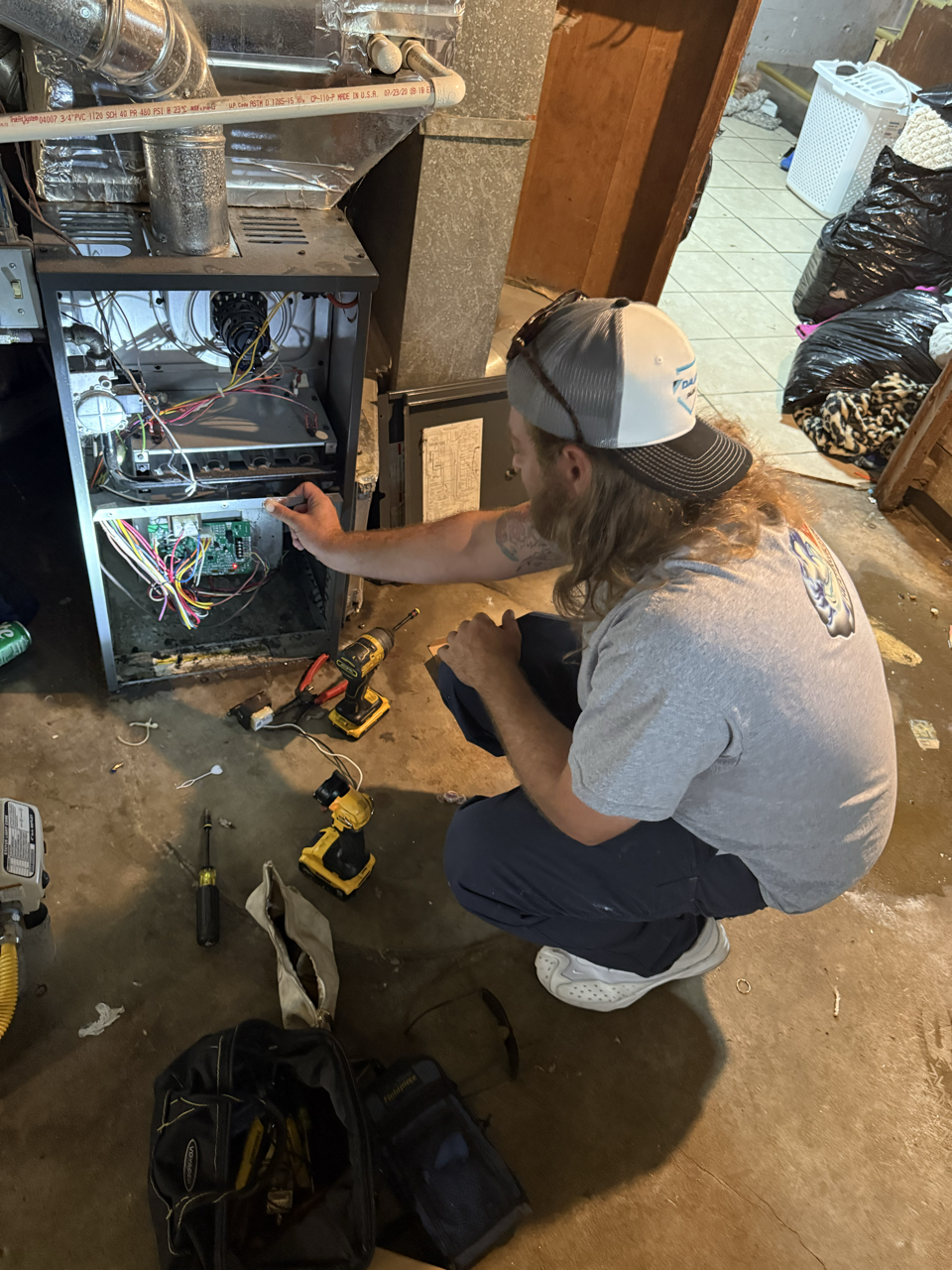
An overworked system is far more likely to suffer a catastrophic breakdown on the absolute coldest days of the year, precisely when demand is at its highest. At 3D Heating and Cooling, our team sees this pattern frequently in the field. In fact, we recently had a local homeowner reach out late in the evening on the coldest day of the year when their heating system completely failed. We dispatched one of our expert technicians to quickly get the system back up and running, but emergency repairs like this almost always trace back to equipment that was pushed past its limits by a heavy thermal load. A well-sealed home allows the HVAC system to cycle on and off normally, preserving its lifespan and ensuring it has the capacity to handle severe winter storms.
Effective Window and Door Sealing Strategies
Once you have identified the drafts around your home, taking action during the September pre-heating season is essential. Sealing your home's envelope is a highly effective, safe DIY project that yields immediate benefits for your heating system's performance. Follow these proven strategies to lock in your warm air and keep the cold out.
1. Apply fresh exterior caulk: For stationary gaps around the outside of window frames and door casings, exterior-grade silicone caulk is your best defense. Scrape away any old, brittle caulk first. Apply a smooth, continuous bead of new caulk to seal the joint between the window trim and the siding, preventing wind from driving cold air into the wall cavity.
2. Replace worn weatherstripping: For moving parts, like the sides and tops of exterior doors, friction-fit weatherstripping is required. Remove the old, flattened foam or rubber. Measure the door jamb carefully and install high-quality V-strip or tubular rubber weatherstripping. The door should close snugly, requiring just a slight push to compress the seal and engage the latch.
3. Install temporary window insulation film: If you have older, single-pane glass windows that you cannot replace yet, temporary shrink film is an excellent stopgap. You apply double-sided tape to the indoor window frame, stretch the plastic film across the opening, and use a standard hair dryer to shrink the film tight. This creates a trapped layer of dead air that acts as surprisingly effective insulation against rapid heat loss.
4. Adjust door thresholds and sweeps: The gap at the bottom of an exterior door is a massive source of drafts. Check the adjustable threshold plate on the floor; many can be raised slightly by turning the inset screws. If daylight is still visible, install a new door sweep on the bottom edge of the door to create a firm, sweeping seal against the threshold.
5. Seal electrical outlets on exterior walls: Drafts often pull through the small gaps behind light switches and electrical outlets on outer walls. You can install inexpensive, precut foam gasket sealers behind the plastic faceplates to block this hidden airflow.
Balancing a Tightly Sealed Home with Proper Air Quality
While sealing drafts is exceptional for reducing thermal load and protecting your furnace, it introduces a new dynamic to your living space. A tightly sealed home traps everything inside. Without natural ventilation from those old drafts, indoor pollutants, cooking odors, pet dander, and airborne volatile organic compounds (VOCs) have nowhere to escape. The air inside heavily weatherized Taylorsville KY homes can quickly become stale and stagnant if not properly managed.
This is where the balance between thermal efficiency and indoor air quality becomes critical. To maintain a healthy environment, a tightly sealed home requires mechanical ventilation and active air purification. Modern whole-home air quality solutions work directly in tandem with your existing HVAC system to clean and refresh the air without sacrificing the heat you just paid to generate. Technologies like media air cleaners and UV purifiers capture and neutralize contaminants as air circulates through the ductwork.
Furthermore, managing indoor humidity is a crucial side-effect of a well-sealed home. Cold winter air is naturally dry, and when it leaks into a home, it drastically lowers indoor humidity. By sealing those leaks and utilizing whole-home humidification, you can maintain optimal moisture levels. Proper humidity actually makes the home feel warmer at lower temperatures, allowing you to turn the thermostat down a degree or two, which further reduces the workload on your heating system. If you are noticing stale air or lingering odors after weatherizing, we highly recommend exploring our Indoor Air Quality solutions as a necessary next step.
Bridging Weatherization and Professional Heating Maintenance
Sealing the building envelope is step one of your fall preparation; calibrating the mechanical equipment is step two. You have done the hard work of locking the heat inside the house, but if the furnace itself is struggling with dirty burners or a failing capacitor, you will still face performance issues when the freeze arrives. Proactive weatherization combined with a professional tune-up during the September pre-heating season guarantees peak efficiency and total peace of mind.
A comprehensive professional heating tune-up goes far beyond what a homeowner can safely check. When you call 3D Heating and Cooling, our licensed technicians will thoroughly inspect the system's internal components. This includes tightening electrical connections to prevent voltage drops, cleaning the burner assembly for safe combustion, verifying the integrity of the heat exchanger, and measuring the blower motor's amperage draw to ensure proper airflow. When the equipment is perfectly calibrated and operating within a well-sealed home, the system reaches its maximum designed lifespan.
The most reliable way to ensure this second step is never missed is by joining a recurring maintenance program. These programs keep your equipment on a strict service schedule, catching minor wear and tear long before it escalates into a late-night breakdown. By combining your DIY draft-sealing efforts with an active HVAC Maintenance Plan, you are building a resilient, highly efficient home that is fully prepared for whatever the Kentucky winter brings.
Frequently Asked Questions
How do drafts affect HVAC efficiency?
Drafts constantly introduce unconditioned outside air into your home, forcing the HVAC system to run longer cycles to compensate. This continuous operation drastically lowers overall efficiency and drives up energy usage. By sealing these leaks, the system can reach the set temperature faster and shut off normally.
Why is my furnace running constantly when it gets cold?
A furnace running constantly usually indicates that the home is losing heat as fast as the system can produce it. Structural drafts, poor insulation, or an undersized unit are common causes. Sealing windows and doors is the first step to helping the furnace satisfy the thermostat and take a break.
Does sealing windows help my heat pump perform better?
Yes, sealing windows significantly improves heat pump performance. Heat pumps operate best when maintaining a steady temperature rather than recovering from deep drops. Eliminating drafts reduces the thermal load, allowing the heat pump to run efficiently without relying on its energy-heavy auxiliary heat strips.
How do you seal drafty windows for winter?
You can seal drafty windows by applying exterior-grade caulk to stationary gaps around the outside frame and installing fresh weatherstripping on the moving sashes. For older, single-pane windows, applying temporary shrink-wrap insulation film to the interior frame creates an effective barrier against cold air infiltration.
What is thermal load and why does it matter for heating?
Thermal load refers to the amount of heating energy required to keep a building at a comfortable, stable temperature. It matters because a high thermal load—caused by drafts and poor insulation—forces your heating equipment to work much harder. Lowering the thermal load directly extends the life of your furnace or heat pump.
When is the best time to winterize a home in Kentucky?
The best time to winterize a home in Kentucky is during September, before the first sudden October freeze hits. Acting proactively during the mild early fall weather ensures your home is fully sealed and your heating equipment is protected before it faces the severe strain of continuous cold fronts.
Taking the time to seal structural drafts today will pay off the moment the first cold front arrives. A well-sealed home protects your equipment, improves your daily comfort, and ensures your system won't leave you in the cold. Clear, actionable weatherization tied with professional care from 3D Heating and Cooling is exactly what you need to keep your home warm all season long.
Financing

Now Offering Financing Options with Affordable Monthly Payments
where we operate
Service Areas
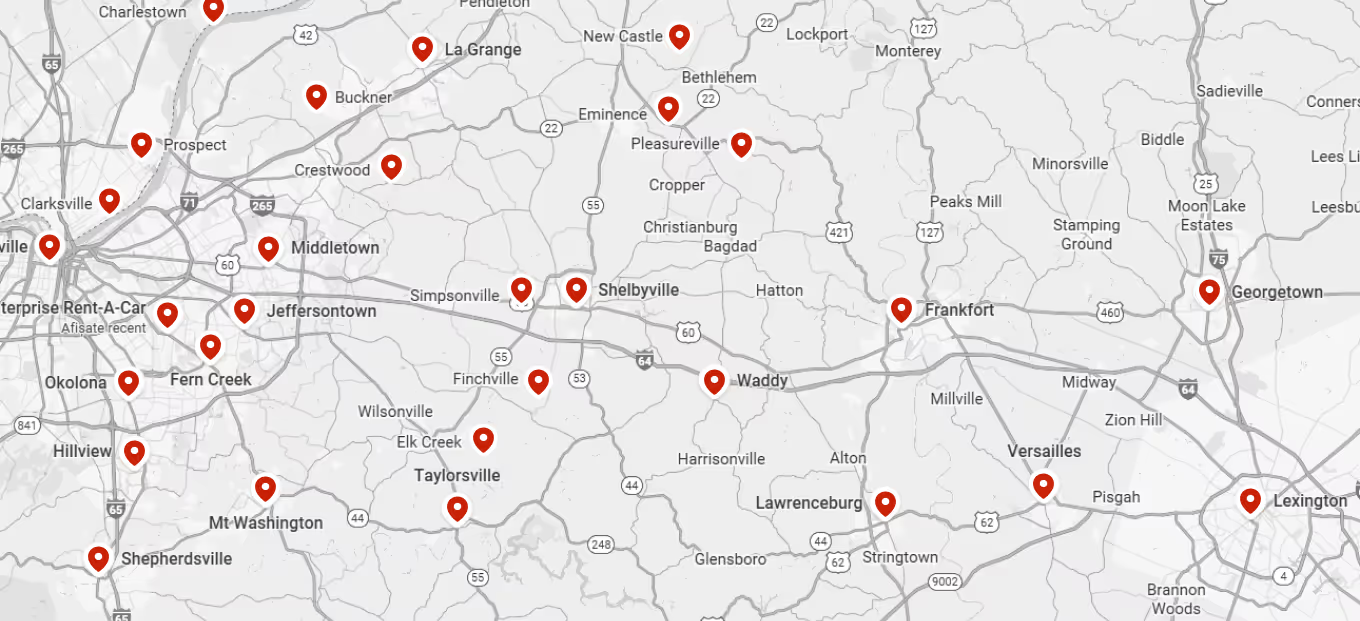
Proudly serving Spencer county, Jefferson county, Bullitt county, and the surrounding areas
Short Heading Goes Here
Sed iaculis aenean sit sed risus arcu vitae integer elit.

