



5 min read
Understanding the Flue Pipe: Why Clear Venting is Crucial for Gas Furnaces
The Hidden Fall Hazard: Preparing Your Furnace for the First Chilly Night
September is just around the corner, and understanding the flue pipe: why clear venting is crucial for gas furnaces is something every homeowner should grasp before turning up the thermostat for the first time in months. During the early fall pre-heating transition, one of the most common reasons for unexpected safety shutoffs and dangerous carbon monoxide hazards is a blocked exhaust vent. Over the idle summer, these pipes often become clogged with debris or wildlife nests, sitting unnoticed while your air conditioner runs perfectly. Deciding to have the exhaust system professionally inspected before the first chilly night hits is the smartest move you can make to prevent a dangerous safety lockout when you need warmth the most.
For comprehensive support, explore our Heating Services to ensure your entire system is ready for the upcoming season.
The Shift from Cooling to Heating
When the weather begins to cool, your HVAC system undergoes a major operational shift. For months, your furnace has sat dormant, acting only as a blower for your air conditioning system. Because the heating components haven't been active, any issues that developed inside the exhaust venting over the summer remain completely hidden. You might assume that because your home stayed cool all summer, your heating system is in perfect shape. However, the external venting system operates independently of your cooling equipment.
As temperatures drop, homeowners rely on their heating systems to ignite and run smoothly. But if that exhaust pathway is compromised, the furnace cannot operate safely. We will explore exactly how your exhaust mechanics work, why they are so vulnerable during the warmer months, and how built-in safety mechanisms protect your home from disaster.
The Anatomy of a Gas Furnace Exhaust System
To understand why clear venting matters, you first need to understand what the flue pipe actually does. The flue pipe, often referred to as the exhaust vent, is a dedicated pathway designed to safely direct combustion byproducts from your furnace to the outside of your home. It is a critical component of your heating system's overall safety and efficiency.
How Combustion Creates Heat and Hazards
When your gas furnace turns on, it ignites natural gas or propane inside the combustion chamber. This controlled fire generates the heat that warms your home. However, the process of burning fuel inherently creates toxic gases, including carbon monoxide and water vapor. These byproducts cannot be allowed to mix with the breathable air inside your house.
Your furnace uses a heat exchanger—a series of metal tubes or coils—to keep the combustion gases completely separate from the air blowing through your vents. The toxic gases remain locked inside the heat exchanger and are then pushed out through the flue pipe. Proper draft and airflow are required to keep this system running efficiently. If the exhaust cannot escape, the entire combustion process is disrupted.
For homeowners looking to address complex system issues, professional Residential Furnace Repair ensures these critical internal components are functioning correctly.
Internal Mechanics vs. External Vulnerability
The contrast between the inside of your furnace and the outside of your home is stark. While the internal mechanics are protected behind metal panels in your basement or utility closet, the exhaust vent terminates outside. This makes it highly vulnerable to the elements.
• Heat Exchanger — Location: Internal (Inside Furnace) — Primary Vulnerability: Cracks from age, overheating, or poor airflow
• Inducer Motor — Location: Internal (Inside Furnace) — Primary Vulnerability: Mechanical failure, electrical issues
• Flue Pipe / Exhaust Vent — Location: External (Terminates Outside) — Primary Vulnerability: Wildlife nests, leaves, physical damage, ice buildup
While the internal parts are shielded from nature, the flue pipe sits exposed in Taylorsville KY weather year-round, making it the most common entry point for external blockages.
How Idle Summer Months Leave Flues Vulnerable to Wildlife
The problem: Exterior HVAC vents are highly attractive to local wildlife seeking shelter during the warm, idle summer months. Because the furnace isn't pushing hot exhaust gases out of the pipe, birds, wasps, and rodents see the vent as a safe, dry, and protected place to build a home.
The cause: The structure of a flue pipe makes it an ideal nesting location. It is protected from the wind and rain, and it is usually elevated safely away from ground predators. In our region, Taylorsville's summer wildlife activity directly impacts the safety and readiness of heating systems for the impending cold autumns. A small bird can build a nest inside a standard flue pipe in a matter of days. Leaves, twigs, and debris can also blow into the opening during summer storms, rapidly accumulating into a dense blockage.
The solution: Homeowners must recognize the false sense of security that summer brings. Just because your cooling system works flawlessly doesn't mean your heating system is safe to operate. The early fall pre-heating transition is the peak time for discovering these blockages. Having a professional inspect the external vents before turning on the heat is the only way to ensure the pathway is clear.
If you need assistance preparing your system for the seasonal shift, our Louisville HVAC Services team can thoroughly evaluate your equipment.
"The most dangerous furnace issues are the ones you can't see. A bird nest built in June becomes a major heating hazard in October."
Draft Safeguard Switches: The Mechanics of a Safety Lockout
Modern gas furnaces are equipped with highly sensitive safety mechanisms designed to prevent disaster if the flue pipe becomes blocked. The frontline defense against a clogged vent is the draft safeguard switch, commonly known as a pressure switch. Understanding how this switch operates can save you a lot of frustration when the weather turns cold.
The Sequence of a Safety Lockout
When you turn up your thermostat, the furnace doesn't just immediately light a fire. It goes through a strict sequence of safety checks:
1. The call for heat: The thermostat sends a signal to the furnace control board.
2. The inducer motor starts: This small fan turns on first, creating a draft to pull toxic gases through the heat exchanger and push them out the flue pipe.
3. The pressure switch tests the draft: The draft safeguard switch measures the negative pressure created by the inducer motor. If the flue is clear, the pressure is correct, and the switch closes the electrical circuit.
4. Ignition proceeds: Only after the switch confirms clear venting will the gas valve open and the burners ignite.
5. Safety lockout: If a nest or debris blocks the flue, the inducer motor cannot create the proper draft. The pressure switch detects this failure, stays open, and halts the entire ignition process, triggering an immediate safety lockout.
A "no heat" situation in the fall is often the system intentionally shutting down to protect your home. One homeowner in our service area reached out late in the evening on the coldest day of the year because their system was completely unresponsive. A technician arrived that same evening, diagnosed the issue—which often traces back to these critical safety lockouts—and quickly got the system back up and running. Resetting your furnace without addressing the underlying blockage in Taylorsville KY will just result in another lockout.
For more detailed guidance on what to do when your system halts, read our guide on Troubleshooting Your Furnace When It Fails.


The Silent Danger: Carbon Monoxide and Blocked Vents
The primary reason your furnace has such strict safety switches is to protect you from carbon monoxide (CO). Carbon monoxide is a colorless, odorless, and tasteless gas produced during the combustion of natural gas or propane. According to safety data from the CDC, it is incredibly dangerous when allowed to accumulate indoors.
How Blockages Force CO into Your Home
If a flue is only partially blocked, or if a safety switch fails or has been improperly bypassed, the furnace might continue to run. Because the exhaust gases cannot exit through the clogged flue pipe, they seek the path of least resistance. This causes the toxic gases to backdraft, spilling out of the combustion chamber and directly into your living space.
During a severe cold stretch, one customer experienced their carbon monoxide detectors alarming continuously. Upon emergency inspection, the technician discovered that a cracked heat exchanger was the culprit, necessitating the rapid installation of a new furnace and AC system within an hour to restore safety. While a cracked heat exchanger is a different mechanical failure, a blocked flue creates the exact same deadly backdrafting hazard.
This is why functional CO detectors are absolutely critical, especially during the early fall pre-heating transition when the system is firing up for the first time. Taking CO alarms seriously and immediately calling for professional diagnosis saves lives. Never assume an alarm is a false positive.
Warning Signs That Your Furnace Exhaust is Compromised
While you should never attempt to dismantle or clear a flue pipe yourself, there are observable symptoms you can watch for. Recognizing these signs early in Taylorsville KY can help you stop using the system before a minor blockage becomes a major hazard.
• Frequent system cycling: If your furnace turns on for just a minute or two and then shuts off abruptly, it may be tripping the draft safeguard switch due to restricted airflow.
• Unexplained lockouts: A furnace that completely refuses to ignite and requires constant resetting is usually protecting itself from a venting issue.
• Visible soot or rust: Dark soot marks or excessive rust around the exterior of the furnace cabinet indicate that combustion gases are spilling backward instead of venting outside.
• Unusual odors: While carbon monoxide is odorless, the other combustion byproducts often smell like burnt dust, sulfur, or exhaust fumes.
• External debris: If you walk outside and see visible twigs, leaves, bird activity, or wasp nests near the exterior exhaust vent, you likely have a blockage.
If you notice any of these symptoms, immediately turn off your heating system. Continued use can severely damage internal components, eventually requiring a complete Heating Installation due to a ruined heat exchanger.
Why Clearing a Flue Pipe is Strictly Professional Work
It can be tempting to grab a flashlight and a broom handle to try and clear a blocked vent yourself, especially if you can see a bird nest near the opening. However, inspecting and clearing a flue is dangerous and requires licensed professional intervention.
The Dangers of DIY Vent Clearing
DIY attempts to clear a flue often make the problem much worse. Pushing a stick or brush into the pipe can easily compact the debris further down into the venting system, turning a loose nest into a solid, impenetrable wall. Furthermore, aggressive poking can disconnect vent pipe joints hidden inside your walls or ceilings, venting toxic gases directly into your attic or living room without you ever knowing.
The Professional Diagnostic Process
Our strong commitment to protecting families from hidden CO hazards through expert diagnosis of safety shutoffs means we take vent clearing very seriously. The professional process involves much more than just removing the blockage:
• Safe removal: Technicians use specialized tools to extract the obstruction without compacting it or damaging the piping.
• Draft verification: After clearing the pipe, we use precision instruments to measure the draft pressure, ensuring the inducer motor is pulling the exact amount of air required by the manufacturer.
• Switch testing: We manually test the draft safeguard switches to guarantee they will properly shut the system down if another blockage occurs in the future.
Frame the pre-season inspection not just as a routine tune-up, but as an essential safety verification for your exhaust system during the early fall pre-heating transition. A qualified technician can quickly restore safe operation and give you peace of mind.
Frequently Asked Questions About Furnace Flue Pipes
What happens when a furnace flue is blocked?
When a furnace flue is blocked, the toxic combustion gases cannot safely exit your home. The furnace's built-in pressure switches will detect the lack of airflow and trigger an immediate safety lockout, shutting down the system. If these safety switches fail, the dangerous gases, including carbon monoxide, will backdraft into your living space.
Why is my furnace locking out in the fall?
Fall lockouts are heavily tied to summer inactivity. Over the warm months, birds, insects, and yard debris often clog the exterior exhaust vent. When you turn the heat on for the first time in Taylorsville KY, the system detects this blockage and locks out to prevent a fire or carbon monoxide hazard.
How do birds get into furnace vents?
Birds are naturally drawn to exterior HVAC vents because they provide a dry, wind-resistant, and elevated space to build a nest. Since the furnace does not run during the summer, the vent remains quiet and cool, making it a highly attractive, undisturbed shelter for local wildlife.
Can a blocked flue cause carbon monoxide poisoning?
Yes, a blocked flue is a leading cause of carbon monoxide risks in the home. Because CO is a natural byproduct of burning gas, any restriction in the exhaust pipe forces that invisible, odorless gas backward into the house instead of safely outdoors.
How do I know if my furnace exhaust is blocked?
You may notice the furnace turning on and immediately shutting back off (short cycling), or it may refuse to ignite entirely. Externally, you might see twigs, leaves, or bird droppings around the vent pipe outside your home. Internally, soot buildup around the furnace cabinet is a major red flag.
Is it safe to clear a furnace exhaust vent myself?
No, clearing a furnace exhaust vent is strictly professional work. Attempting to clear it yourself can compact the debris deeper into the pipe or accidentally disconnect hidden vent joints, which would silently leak toxic exhaust gases into your home.
Ensure a Safe Heating Season with a Professional Inspection
Understanding the flue pipe: why clear venting is crucial for gas furnaces ultimately comes down to protecting your home and family. A clear exhaust pathway ensures that toxic combustion byproducts are safely removed, allowing your system to heat your home efficiently and securely.
Remember that summer debris is a hidden hazard that only reveals itself when the heat is turned on during the early fall pre-heating transition. Don't wait for a freezing night to discover that a bird nest has caused a safety lockout. We strongly encourage scheduling a professional inspection to clear any potential blockages, verify your system's safety switches, and secure a clear understanding of your equipment's health. A professional pre-season inspection is a vital safety measure that guarantees you are ready for whatever the colder months bring.
Financing

Now Offering Financing Options with Affordable Monthly Payments
where we operate
Service Areas
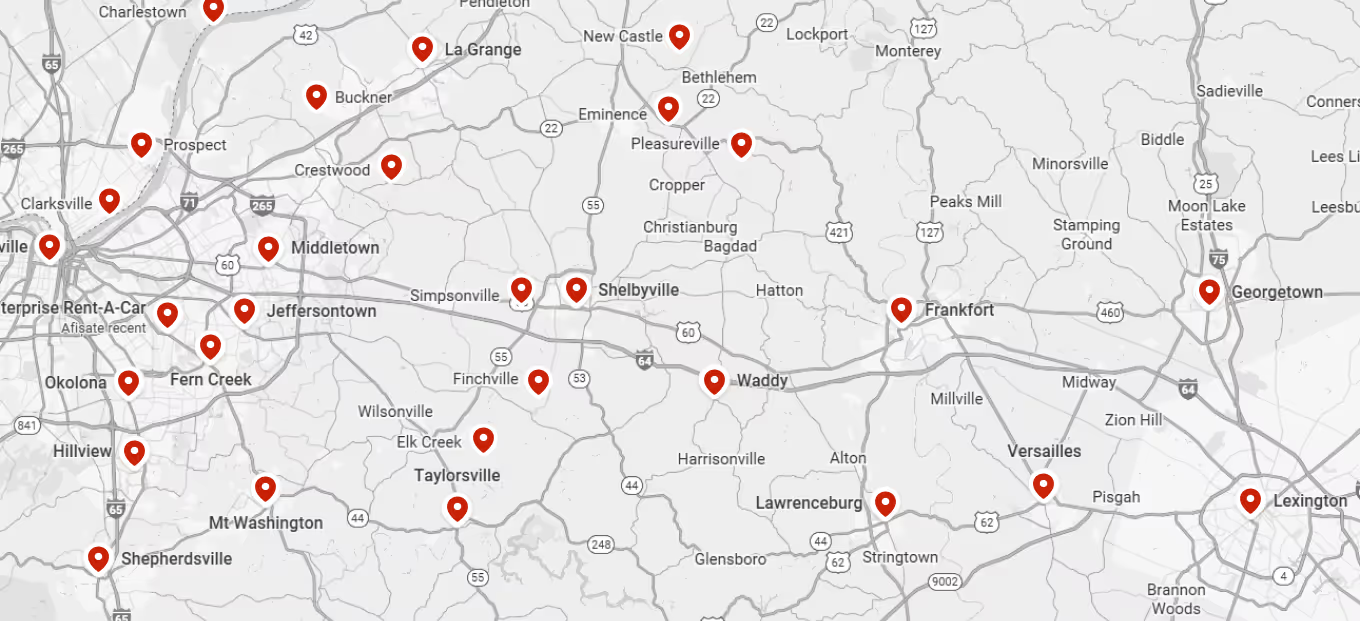
Proudly serving Spencer county, Jefferson county, Bullitt county, and the surrounding areas
Short Heading Goes Here
Sed iaculis aenean sit sed risus arcu vitae integer elit.

