



5 min read
What Pilot Light Colors Indicate a Safe Furnace Startup?
Testing Your Older Gas Furnace Before the First Fall Freeze
The September pre-heating season is officially here, and with temperatures beginning to drop, it is time to think about your home's winter readiness. If you are preparing to test your heating equipment before relying on it daily, you might be asking: exactly what pilot light colors indicate a safe furnace startup? Turning on an older gas furnace for the first time in months can be stressful, especially if you look inside the cabinet and do not know how to interpret what you see. A simple visual inspection is your first line of defense for home safety, helping you distinguish between a harmless, temporary startup quirk and a dangerous combustion problem that requires immediate professional intervention.
If you need help evaluating your system after a long summer of inactivity, our team's comprehensive Heating Services are designed to ensure your equipment operates securely and efficiently before the heavy winter weather arrives.
The Anatomy of a Safe Furnace Startup: The Blue Flame
A crisp, steady blue flame is the universal indicator of a safe, properly functioning gas furnace. Whether your system runs on natural gas or liquid propane, the burners and the pilot light should produce a strong blue hue. This color indicates "complete combustion," which means the gas fuel is mixing with the exact right ratio of oxygen to burn efficiently and cleanly. When you look closely at a healthy pilot light, you will typically see a slightly lighter blue inner triangle surrounded by a darker blue outer halo. This flame should remain stable, steadily engulfing the tip of the thermocouple—the small metal rod sitting right next to the flame that signals the gas valve to stay open.
Establishing this blue baseline is critical for homeowners. In our years of servicing heating systems throughout the area, we have found that once you know what a healthy system looks like, it becomes much easier to recognize when something is functionally wrong. A blue flame means your system is maximizing its heat output while minimizing harmful byproducts. If you ever notice the flame struggling to maintain this crisp blue appearance, it is often a sign that the burner assembly needs professional attention, which is a common focus during our residential furnace repair visits.
Why Oxygen Ratios Matter
The physics of combustion dictate that fuel needs a precise amount of oxygen to burn safely. In a gas furnace, air is drawn into the burner assembly and mixed with the gas right before ignition. Proper airflow ensures the fuel burns completely, turning into heat, water vapor, and a small, safely vented amount of carbon dioxide. If the oxygen supply is restricted by dirt, rust, or a failing component, the chemical reaction changes, leading to inefficient heating and the creation of dangerous exhaust gases.


Why Is My Furnace Flame Yellow? The Dangers of Incomplete Combustion
A sustained yellow or heavily yellow-tipped flame is a severe warning sign. It indicates incomplete combustion, meaning the furnace is burning fuel inefficiently due to a severe lack of oxygen. When natural gas or propane fails to burn completely, the chemical reaction produces Carbon Monoxide (CO) instead of standard carbon dioxide. Carbon monoxide is an odorless, colorless, and tasteless gas that is highly toxic to humans and pets. Therefore, a yellow flame is an absolute "no-go" signal; if you see one, the furnace should be shut off immediately at the thermostat.
As our fellow Taylorsville KY residents begin closing their windows to block out the cooler early autumn nights, the house becomes tightly sealed. This lack of fresh ventilation causes the indoor air quality risks from a carbon monoxide leak to increase dramatically. Older furnaces are particularly susceptible to the airflow blockages, rusted burners, and cracked components that cause this issue. This is why a safety-first approach is non-negotiable. Prioritizing carbon monoxide hazard awareness over quick, temporary fixes ensures that you are never putting your household at risk just to get the heat back on quickly. If you are troubleshooting your furnace when it fails, identifying a yellow flame is the moment to stop and call for help.
The Hidden Threat of Carbon Monoxide
Because carbon monoxide cannot be seen or smelled, functional CO detectors are a mandatory safety feature for any home operating an older gas furnace. The risks of incomplete combustion are very real. In one recent winter scenario our technicians responded to, a homeowner's carbon monoxide detectors began alarming continuously. Our professional inspection revealed a severely cracked heat exchanger—a catastrophic failure that required us to replace the entire old furnace and AC unit with a new system to permanently resolve the safety hazard and stop the alarms. CO leaks can stem from these hidden cracks or from the severe combustion issues signaled by lazy yellow flames.
Orange Flames vs. Yellow Flames: Dust Burn-Off or Danger?
Every September, the 3D Heating and Cooling dispatch board lights up with calls from concerned homeowners seeing orange flames. However, it is entirely normal to see streaks of orange dancing within a predominantly blue flame during the very first startup of the fall. This orange flickering is usually just summer dust, pet dander, and household lint burning off the burner assembly after months of sitting idle.
The key differentiator is time. Dust burn-off should resolve within a few minutes of continuous operation. As the debris is incinerated, the flame will return to a steady, crisp blue. Contrast this with a lazy, entirely yellow or heavily orange flame that does not resolve after ten to fifteen minutes. A sustained color change means the fuel mixture itself is wrong, which requires intervention from our professionals providing Bardstown HVAC services.
• Crisp, steady blue — Combustion Status: Complete / Safe — Action Required: None. System is operating normally.
• Blue with orange flickering — Combustion Status: Temporary dust burn-off — Action Required: Monitor. Should resolve within 15 minutes.
• Lazy, sustained yellow — Combustion Status: Incomplete / Dangerous — Action Required: Shut off immediately and call a professional.
When to Wait and When to Worry
When conducting your initial test run, turn the thermostat up just enough to trigger the heating cycle. Stand by the furnace and watch the flame through the sight glass or open panel. The quick rule: if the flame is mostly blue with occasional orange sparks, wait it out. If the flame is entirely yellow, lacks a defined shape, and billows lazily upward, worry. Shut the system down immediately to prevent carbon monoxide buildup.
Other Visual Indicators of Furnace Trouble
While the pilot light or burner flame color is the most obvious sign of combustion health, it is rarely the only symptom of a struggling furnace. Providing a comprehensive visual check means looking at the environment immediately surrounding the burner assembly. If your system is suffering from incomplete combustion or draft issues, it will usually leave behind physical evidence. Look for these secondary visual indicators that accompany abnormal flame colors:
• Soot buildup: A black, powdery residue around the pilot assembly, burners, or furnace exterior is a definitive confirmation of incomplete combustion. Soot is unburned carbon, and where there is soot, there is carbon monoxide.
• A wavering or dancing flame: Even if the flame is mostly blue, a flame that dances wildly or pulls away from the burner indicates improper drafting, meaning the exhaust gases are not venting correctly up the flue.
• Frequent flame blowout: If the pilot light will not stay lit, or if the main burners ignite and immediately shut off, you likely have a failing thermocouple or a cracked heat exchanger that is altering the internal draft and blowing the flame out.
• Excessive rust or corrosion: Flakes of rust on the burners can physically block the gas orifices, changing the gas-to-oxygen ratio and turning a safe blue flame into a dangerous yellow one.
If you spot any of these visual signs alongside a discolored flame, it means the system is not safe for continuous winter operation and requires professional diagnostics.
What to Do If Your Pilot Light Isn't Blue
If you have observed a yellow flame, excessive soot, or an orange flame that refuses to clear up after fifteen minutes, you must take immediate action to protect your home. The right next step is entirely about mitigation, not DIY repair. Follow these steps to secure your heating system safely:
1. Turn off the thermostat: Switch your thermostat from "Heat" to the "Off" position immediately to stop the call for gas.
2. Shut off the gas valve: Locate the gas shutoff valve on the pipe leading into the furnace (usually a brightly colored handle) and turn it perpendicular to the pipe to cut the fuel supply completely.
3. Ventilate the area: If the furnace has been running with a yellow flame for an extended period, open a few nearby windows to allow fresh air to circulate and dissipate any potential carbon monoxide.
4. Call a licensed professional: Contact a certified HVAC technician to perform a full combustion analysis and safety inspection.
At 3D Heating and Cooling, our certified technicians strictly warn against attempting any DIY cleaning of the pilot orifice, adjusting gas valves, or modifying the burner assembly. Modern gas furnaces are highly calibrated machines. Attempting to clean a blocked orifice with a needle or wire can easily enlarge the hole, altering the gas pressure and making the carbon monoxide problem significantly worse. Professional technicians carry specialized tools, including manometers to test exact gas pressure and combustion analyzers to measure CO levels in the exhaust. They know how to safely dismantle, clean, and reassemble the burner compartment. In some cases with heavily aged equipment, persistent combustion issues and severe rust may necessitate discussing long-term solutions, such as a new furnace installation (which may qualify for generic federal tax credits or local utility incentive programs), to guarantee your family's safety.
Frequently Asked Questions About Furnace Pilot Lights
What color should a gas furnace pilot light be?
It should be a crisp, steady blue with a slightly lighter blue inner core. This vibrant blue color indicates complete, safe combustion, meaning the natural gas or propane is mixing with the correct amount of oxygen. A solid blue flame ensures your furnace is producing maximum heat while safely venting trace exhaust gases outside your home.
Is a yellow pilot light dangerous?
Yes, a yellow flame indicates incomplete combustion, which is a serious safety hazard. When a flame burns yellow, it means the fuel is starved of oxygen and is producing hazardous carbon monoxide instead of safe carbon dioxide. You should never ignore a yellow flame; shut the furnace down immediately and call a professional for an inspection.
Why is my furnace flame orange instead of blue?
Orange streaks usually mean dust, dirt, or lint is burning off the burners. This is highly common during the first startup of the fall season after the furnace has sat dormant all summer. The burning particles emit an orange glow, but as long as the base of the flame remains blue, it is generally not a cause for alarm.
Does a yellow flame always mean carbon monoxide?
While a yellow flame guarantees incomplete combustion is occurring, the exact amount of carbon monoxide produced can vary based on the severity of the airflow blockage. However, because CO is entirely invisible and odorless, any yellow flame must always be treated as a serious, active carbon monoxide risk that requires immediate professional attention.
Can I clean a furnace pilot light myself?
No. Cleaning the pilot orifice, adjusting the gas pressure, or dismantling the burner assembly requires specific training and specialized diagnostic tools. Improper DIY cleaning can easily damage delicate components like the thermocouple, enlarge the gas orifice, or inadvertently cause dangerous gas leaks inside the cabinet.
How long does orange dust burn-off last?
Dust burn-off typically resolves within 5 to 15 minutes of the furnace running for the first time in the season. Once the accumulated summer debris is incinerated, the flame should return to a steady blue. If the flame remains orange, turns lazy, or shifts to yellow after this 15-minute window, shut the system down.
Ensure Your Furnace is Ready for Winter
A quick visual check of your furnace's flame color is one of the most effective ways to prevent serious safety hazards as the cold weather approaches. By understanding that a crisp blue flame means safe operation, temporary orange streaks mean dust burn-off, and a lazy yellow flame signals a dangerous carbon monoxide risk, you can make informed decisions about your home's heating system. There is immense value in knowing your equipment is burning fuel cleanly and safely before the first major freeze sets in. If you have tested your system and your pilot light is anything other than a steady blue, do not take chances with your indoor air quality. Schedule a professional inspection with our team today to secure a safe, warm, and comfortable home for the entire winter season.
Financing

Now Offering Financing Options with Affordable Monthly Payments
where we operate
Service Areas
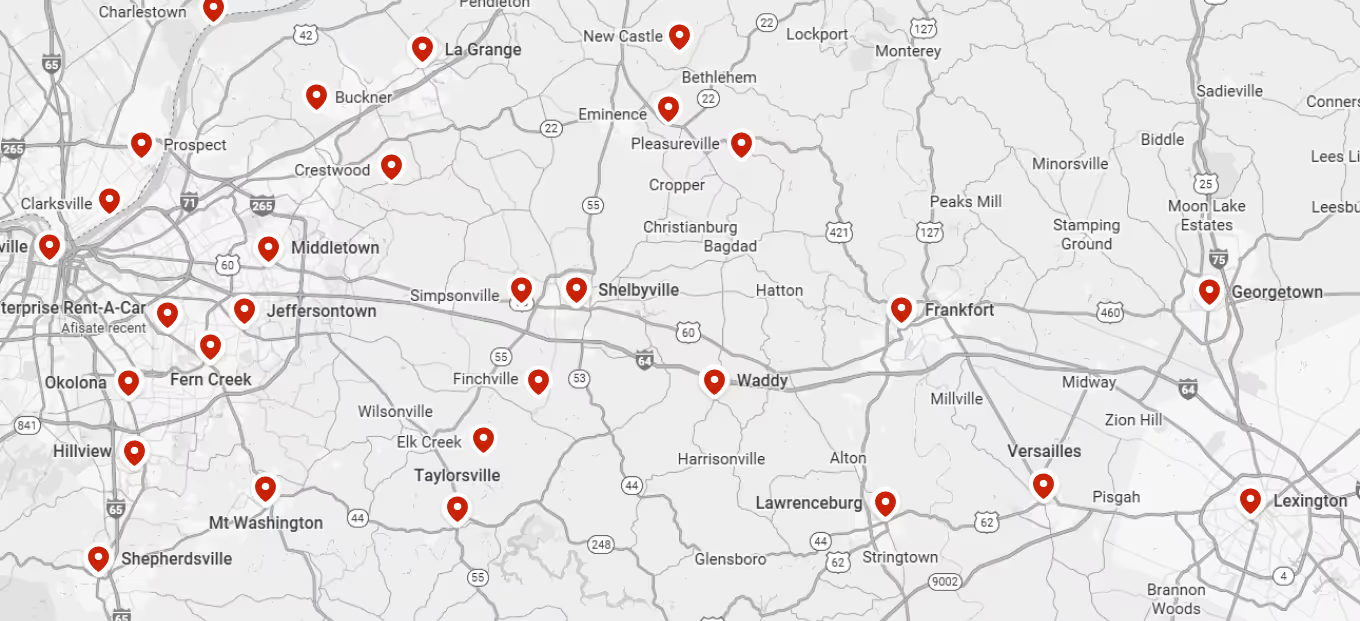
Proudly serving Spencer county, Jefferson county, Bullitt county, and the surrounding areas
Short Heading Goes Here
Sed iaculis aenean sit sed risus arcu vitae integer elit.

