



5 min read
HVAC Near Me: When to Call a Professional for Fall Furnace Troubleshooting
That First Frosty Morning: Diagnosing October Heating Hiccups
You switch the thermostat from cooling to heating on that first frosty October morning, hoping for immediate warmth, but instead, you are greeted by a harsh burning smell—a moment that often sends homeowners scrambling for home maintenance tips and troubleshooting advice. The anxiety of waking up a dormant furnace is a familiar feeling for anyone who relies on a central heating system. Is that dusty, slightly acrid odor completely normal, or is it a hidden fire hazard? If the system turns on but abruptly shuts off three minutes later, should you wait it out or immediately call for professional help?
When it comes to combustion heating systems, knowing the difference between a harmless seasonal hiccup and a genuine safety threat is critical. Furnaces deal with open flames, combustible gases, and high-voltage electricity, meaning that guesswork has no place in your fall preparation routine. If you want to ensure your home is equipped with reliable HVAC systems before the deep winter sets in, understanding what happens inside your unit during its first seasonal run is your best first step.
The Anatomy of a Dormant Furnace in High Humidity
To understand why your furnace behaves strangely during its first autumn startup, you have to look at what it has been doing for the past six months: absolutely nothing. While your air conditioner was working overtime to keep your living space cool, the heating components inside your HVAC cabinet were sitting completely idle.
The Role of the Heat Exchanger During the Off-Season
The heat exchanger is the metal heart of your furnace. It is responsible for transferring the thermal energy from the combustion chamber into the air that circulates through your ductwork. However, during the long summer months, this vital component simply sits in the dark. In our region, the humid Taylorsville summers cause airborne dust, pet dander, and other indoor particulates to stick heavily to these dormant metal surfaces. The moisture in the air acts almost like an adhesive, binding a thin layer of debris across the heat exchanger, the burners, and the surrounding cabinet interior.
When you finally call for heat in the fall, the burners ignite, and the heat exchanger rapidly rises in temperature. That stubborn layer of accumulated dust literally bakes off the metal. The physical process of these particulates incinerating is exactly what produces that distinct, slightly alarming smell throughout your house. This is a natural consequence of the transition from summer cooling to fall heating. Keeping up with routine air conditioning repairs and installations often includes keeping the interior cabinet clean, which can slightly reduce this buildup, but some degree of dust accumulation is inevitable in Taylorsville and Spencer County homes.
Normal Dust Burn-Off vs. Signs of a Heating Hazard
Because burning smells trigger an immediate psychological alarm, it is important to establish clear, non-technical criteria to differentiate harmless seasonal odors from dangerous malfunctions. Not every smell warrants an emergency call, but ignoring the wrong scent can lead to catastrophic system damage or severe safety risks.
Normal parameters to look for:
• Duration: A standard dust burn-off smell should only last 15 to 30 minutes during the very first time the furnace runs.
• Scent profile: It smells exactly like warm, toasted dust—similar to a space heater that has just been pulled out of the closet.
• Dissipation: The odor should steadily decrease in intensity as the system continues to run and the blower circulates fresh air.
Abnormal warning signs that require immediate action:
• Burning plastic or rubber: This indicates an electrical failure, a melting wire casing, or a foreign object lodged in the heating cabinet.
• Electrical ozone: A sharp, metallic smell often points to an overheating blower motor or a failing capacitor.
• Rotten eggs (sulfur): This is the universal warning sign of a natural gas leak. If you smell this, evacuate the house and call your utility provider immediately.
The Hidden Threat of Cracked Heat Exchangers
One of the most dangerous heating hazards produces no smell at all. A cracked heat exchanger allows deadly carbon monoxide (CO) to mix with the breathable air in your home. Because CO is colorless and odorless, your only defense is a functional carbon monoxide detector. If your detector alerts during a heating cycle, shut the system down instantly. Persistent odors or active alarms indicate a need for professional diagnostics, not a waiting game.
Taking early action is always the safest route. For example, one local homeowner reached out late in the evening on the coldest day of the year when their HVAC system completely stopped running. Because they didn't ignore the early warning signs and called for help, a technician was able to get the system back up and running quickly without needing a whole new unit. Prompt attention to unusual system behavior in Taylorsville and Spencer County homes frequently saves thousands of dollars in premature replacement costs.


Why Your Furnace Keeps Shutting Off (Understanding Short-Cycling)
Aside from unexpected smells, the most common issue homeowners face on that first frosty October morning is a furnace that refuses to stay on. You hear the system click, the burners ignite, warm air begins to flow, and then—less than five minutes later—everything abruptly shuts down. This frustrating phenomenon is known as short-cycling.
Short-cycling is not a glitch; it is almost always a safety mechanism doing exactly what it was designed to do. Modern furnaces are equipped with a series of sensors that monitor the combustion process. If any of these sensors detect an unsafe condition, they immediately cut the power to the gas valve to prevent a fire, an explosion, or a fatal gas leak.
Common Culprits Behind the Safety Shut-Off
The two most frequent triggers for short-cycling are a dirty flame sensor and an overheating limit switch. The flame sensor is a delicate metal rod that sits directly in the path of the burner flame. It generates a microscopic electrical current (measured in microamps) when engulfed in fire, signaling to the control board that combustion is happening safely. Over the summer, this sensor can become coated in carbon buildup or oxidation. When the furnace fires up, the insulated layer prevents the sensor from reading the flame, prompting the system to shut off the gas as a precaution.
The limit switch, on the other hand, monitors the internal temperature of the furnace cabinet. If the airflow is severely restricted—often due to a heavily clogged air filter—the heat cannot escape into the ductwork. The internal temperature spikes, the limit switch trips, and the furnace shuts down to prevent a fire.
A critical safety warning: We strongly warn against DIY repairs when it comes to internal furnace components. Attempting to clean a flame sensor without proper training or a license is incredibly dangerous. Opening the burner compartment exposes you to raw gas lines and high-voltage wiring. Scraping a flame sensor with the wrong material can permanently damage its micro-coating, while bypassing a limit switch removes the only safety barrier preventing your furnace from catching fire. Always leave internal component troubleshooting to licensed experts.
When to Search for an 'HVAC Near Me' for Professional Diagnostics
Troubleshooting has its boundaries. Checking your thermostat settings, replacing a dirty air filter, and ensuring your air vents are fully open are excellent proactive steps. However, once you have verified the basics, any ongoing issues require professional intervention. If you find yourself repeatedly searching for an "HVAC near me" because the system won't stay running, it is time to bring in a local authority.
You should stop troubleshooting and call for professional heating services if you experience continuous short-cycling, a persistent burning smell that lasts beyond the first hour, or a total lack of warm air despite the blower running. Having a licensed technician evaluate your system provides a level of detail that visual inspections simply cannot match.
The Value of a Comprehensive Combustion Analysis
When a professional arrives at your home, they don't just look at the flames; they perform a comprehensive combustion analysis. Using specialized diagnostic tools, technicians measure the exact levels of oxygen, carbon monoxide, and stack temperatures inside the exhaust flue. This data tells them exactly how efficiently and safely the fuel is burning. They verify that the gas pressure is calibrated to the manufacturer's exact specifications and that the draft inducer motor is safely venting exhaust gases out of the home.
Prompt professional intervention prevents minor sensor issues from escalating into major mid-winter breakdowns. A failing capacitor might cost a small amount to replace in October, but if left ignored, it can destroy the entire blower motor by December. Furthermore, local technicians understand the specific regional building codes and safety regulations governing heating systems in Taylorsville and Spencer County homes. Partnering with a team that offers 24/7 emergency HVAC services and has deep local roots in the community ensures you have peace of mind, knowing that help is always available if a sudden cold snap pushes an aging system past its breaking point.
Proactive Maintenance: Preventing Startup Anxiety Before Winter Hits
The best way to handle the anxiety of the first fall startup is to prevent it entirely through proactive maintenance. Reactive troubleshooting is stressful and often inconvenient, but scheduling a professional tune-up puts you entirely in control of your home's comfort and safety.
The U.S. Department of Energy strongly recommends professional seasonal maintenance for all combustion heating systems. According to their guidelines, neglecting routine tune-ups not only increases the risk of dangerous carbon monoxide leaks but also forces the system to work harder, steadily degrading its Annual Fuel Utilization Efficiency (AFUE) rating. A furnace that is ignored year after year will cost significantly more to operate and will fail much sooner than a well-maintained counterpart.
What a Professional Fall Tune-Up Actually Includes
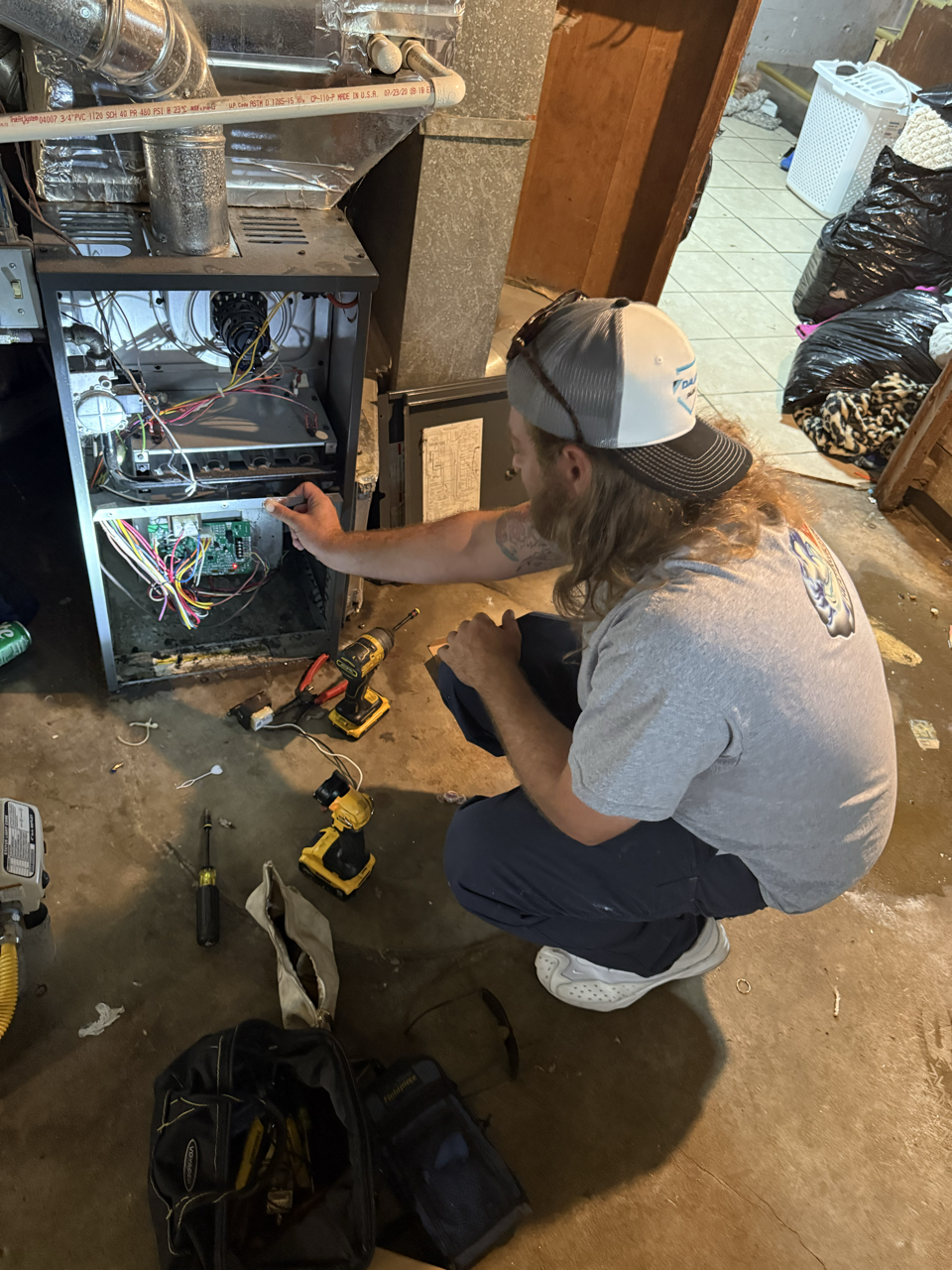
When you invest in a professional fall tune-up on that first frosty October morning, you are paying for a rigorous safety and performance audit. A licensed technician will perform a comprehensive checklist that typically includes:
1. Heat exchanger inspection: Using specialized cameras to check for microscopic cracks that could leak carbon monoxide.
2. Burner cleaning and alignment: Removing summer dust and ensuring the gas combusts cleanly and efficiently.
3. Safety limit verification: Testing the high-limit switch, rollout switches, and pressure switches to guarantee they will shut the system down in an emergency.
4. Electrical component testing: Measuring the voltage and amperage of the blower motor and inspecting wire connections for signs of wear or arching.
5. Flame sensor cleaning: Carefully removing oxidation using the correct abrasive materials to ensure a strong microamp signal.
Opting for comprehensive maintenance plans is the absolute best way to prepare for the extreme temperature swings we see in our region year-round. These plans eliminate the guesswork, offering priority scheduling and ensuring your system is inspected before the peak season rush begins. Additionally, it is important to note that virtually all major HVAC manufacturers require proof of professional annual maintenance to keep their equipment warranties valid. Skipping a tune-up could leave you fully responsible for the cost of a major part failure down the road. Whether you need an inspection at your current residence or are looking for reliable HVAC services in Bardstown, establishing a relationship with a trusted provider is the smartest move a homeowner can make.
Frequently Asked Questions About Fall Furnace Startups
Is it normal for my heater to smell like burning dust?
Yes, it is completely normal for the first 15 to 30 minutes of operation. Over the summer, dust, pet dander, and airborne particles settle on the dormant heat exchanger and burners inside your furnace cabinet. When you turn the heat on for the first time in the fall, these settled particles are incinerated by the high temperatures, creating a distinct, temporary dusty odor that will naturally fade as the system continues to run.
Why does my furnace shut off after only a few minutes?
This behavior is called short-cycling, and it is usually caused by a dirty flame sensor or an overheating safety switch tripping. If the flame sensor is coated in oxidation, it cannot detect the burner flame and shuts the gas valve off as a safety precaution. Alternatively, a severely clogged air filter can trap heat inside the unit, causing the internal limit switch to trip and shut the system down to prevent a fire.
How long should a furnace smell like burning dust?
The burning dust odor should dissipate within half an hour of the first heating cycle. Once the initial layer of summer debris has burned off the heat exchanger, the smell should not return. If you notice the smell lingering for hours, or if it changes to smell like burning plastic or electrical ozone, turn off the unit immediately and call a professional to investigate.
What are the risks of cleaning a furnace flame sensor myself?
Opening the burner compartment without proper training risks damaging delicate components, voiding manufacturer warranties, and creating highly dangerous combustion hazards. The flame sensor requires specific handling; using the wrong abrasive material can strip its protective coating and ruin the part entirely. Furthermore, working around live gas valves and high-voltage wiring without a license exposes you to the risk of fire, explosion, or electrical shock.
When should I call a professional for HVAC troubleshooting?
You should call a professional immediately if you smell burning plastic, electrical ozone, or the rotten egg scent of natural gas. Additionally, reach out to a licensed technician if your system short-cycles repeatedly, fails to produce warm air, or if your carbon monoxide detectors alert at any point during operation. Prompt action in Taylorsville and Spencer County homes frequently prevents minor part failures from turning into complete winter breakdowns.
Ensure a Safe and Warm Winter for Your Home
True peace of mind comes from knowing your heating system is operating safely, efficiently, and reliably before the harsh winter weather arrives. While a brief dusty smell on that first frosty October morning is usually harmless, persistent odors and short-cycling are warning signs that should never be ignored. Instead of hoping for the best, take control of your home's comfort and safety.
We encourage you to schedule a professional inspection to verify that every internal component is clean, calibrated, and ready for the months ahead. If you need guidance on choosing an HVAC company in Taylorsville, look for a team that prioritizes transparency, safety, and proactive care. Reach out to a local expert today to book your fall maintenance tune-up, and enjoy a warm, worry-free winter season.
Financing

Now Offering Financing Options with Affordable Monthly Payments
where we operate
Service Areas
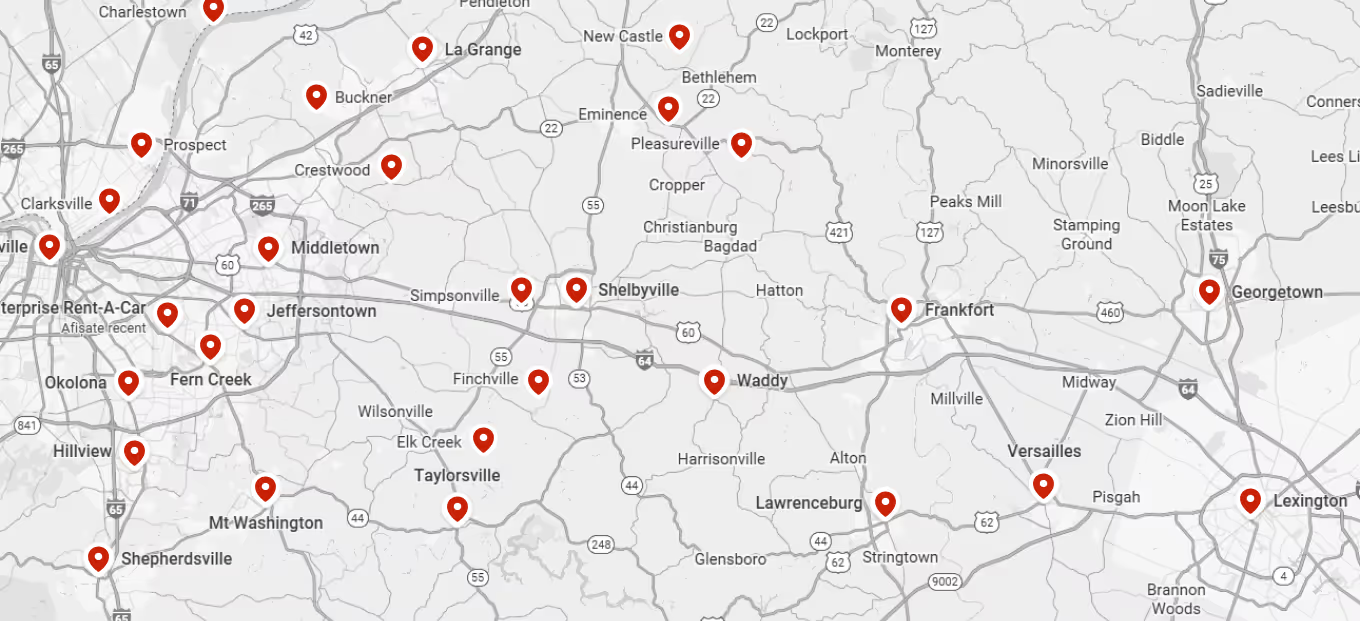
Proudly serving Spencer county, Jefferson county, Bullitt county, and the surrounding areas
Short Heading Goes Here
Sed iaculis aenean sit sed risus arcu vitae integer elit.

