
.svg)


Stay Warm, Louisville: Expert Heating Installation for Your Home
Stay Warm, Louisville: Expert Heating Installation for Your Home
Why Reliable Heating Matters in Louisville
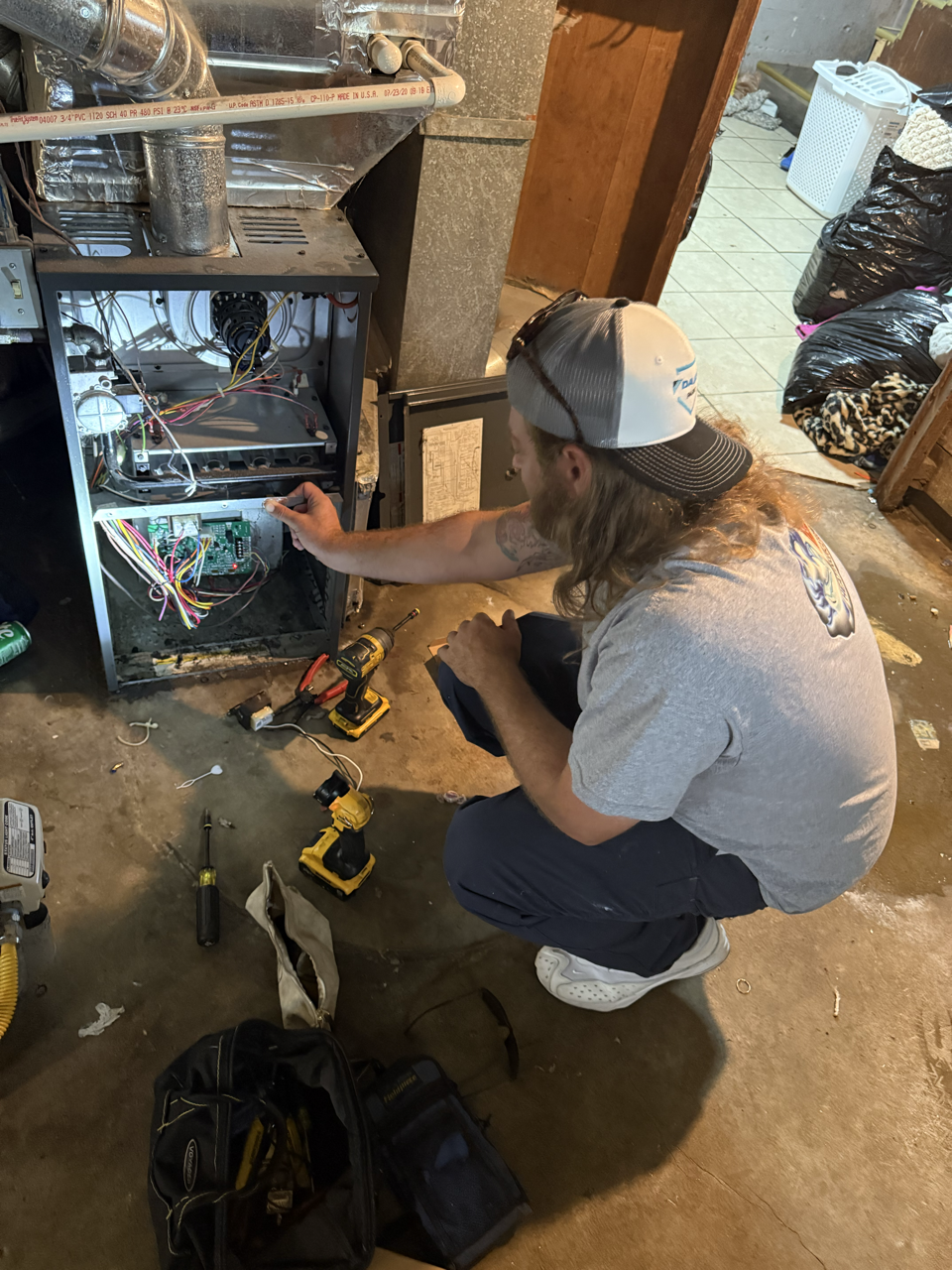
Heating installation in louisville, ky is essential for keeping your home comfortable during the cold winter months when temperatures regularly dip into the low 30s. Louisville experiences approximately 4,500 heating degree days annually, which means your furnace or heating system works hard for several months each year. A properly installed, efficient heating system doesn't just keep you warm—it also saves you money on energy bills, improves your indoor air quality, and gives you peace of mind knowing your family is safe and comfortable.
Quick Answer: Finding Heating Installation Services in Louisville
If you're searching for professional heating installation, here's what you need to know:
- Choose a licensed contractor with NATE-certified technicians
- Get a professional assessment including a Manual J load calculation for proper sizing
- Consider energy-efficient options like ENERGY STAR certified furnaces or heat pumps
- Ask about rebates and incentives available for high-efficiency systems
- Expect 1-3 days for most residential heating installations
- Plan for 15-20 years of reliable service with proper maintenance
Whether you're replacing an old, inefficient system or installing heating in a new home, working with experienced professionals ensures your system is sized correctly, installed safely, and optimized for Louisville's climate. For comprehensive HVAC solutions, check out our heating services, and when you're ready to move forward, contact us for expert heating installation in Louisville, KY.
7 Signs Your Louisville Home Needs a New Heating System
Even the most robust heating systems have a finite lifespan. Over time, wear and tear, coupled with technological advancements, can make your older unit a money pit rather than a comfort provider. Recognizing the signs that your heating system is nearing its end is crucial for proactive replacement, preventing inconvenient breakdowns during the coldest days. Here are seven indicators that it might be time for a new heating installation in Louisville, KY:
- System Age: Most furnaces have a typical lifespan of 15-20 years, while heat pumps generally last 10-15 years. If your system is approaching or has exceeded these age markers, even with regular maintenance, its efficiency likely isn't what it once was. Newer technology offers significantly better performance and lower energy consumption.
- Rising Energy Bills: Are your heating costs creeping up without a corresponding increase in usage? An aging or inefficient system has to work harder to maintain your desired temperature, consuming more energy in the process. This increased energy consumption is a clear sign that your system is losing its efficiency and costing you more money each month.
- Frequent Repairs: If you're calling for repairs more often, or if the cost of each repair is substantial, it might be more economical in the long run to invest in a new system. A general rule of thumb is that if a repair costs more than 50% of the cost of a new unit, replacement is the smarter choice. For minor issues that can be addressed, consider our Furnace Repair Taylorsville, KY services.
- Strange Noises: Your heating system should operate relatively quietly. Grinding, squealing, banging, or rattling noises often indicate mechanical problems, loose parts, or a failing motor. While some noises can be repaired, persistent or loud sounds can signal a system on its last legs.
- Uneven Heating: Do some rooms in your home feel like a sauna while others remain chilly? Uneven heating is a common complaint with older or improperly sized systems. This can be due to a failing blower, ductwork issues, or the system simply not being powerful enough to distribute heat consistently throughout your home.
- Poor Indoor Air Quality: An older heating system can contribute to poor indoor air quality. It might circulate excessive dust, dander, or allergens, or fail to manage humidity levels properly. If you notice an increase in respiratory issues, dry skin, or static electricity during heating season, your system could be a culprit.
- Yellow Pilot Light (for gas furnaces): For gas furnaces, a healthy pilot light should be blue. A yellow or flickering pilot light can indicate incomplete combustion, which might release dangerous carbon monoxide into your home. This is a serious safety concern that requires immediate attention and often signals a need for replacement.
If you're experiencing one or more of these signs, it's worth considering a new heating installation. Upgrading your system can improve your home's comfort, reduce your energy bills, and ensure your family's safety.
Choosing the Right Heating System for Louisville's Climate
Louisville's climate demands a reliable and efficient heating system. With average winter temperatures often in the low 30s to low 40s Fahrenheit and approximately 4,500 heating degree days each year, your home's heating system needs to be up to the task. When considering a new heating installation in Louisville, KY, it's important to choose a system that's specifically suited to our local conditions, balancing efficiency, comfort, and operational costs.
We offer a range of heating systems designed to keep your home warm and cozy, including:
- Furnaces: These are the most common type of heating system, burning natural gas, propane, or using electricity to generate heat. Modern furnaces are highly efficient and can provide consistent, powerful warmth.
- Heat Pumps: These versatile systems provide both heating and cooling, moving heat rather than generating it. They're highly efficient in moderate temperatures and can be a great year-round solution for our climate.
- Ductless Mini-Splits: Ideal for homes without existing ductwork, additions, or for zoning specific areas, these systems offer flexible heating and cooling for individual rooms or zones.
The efficiency of heating systems is measured differently. For furnaces, it's the Annual Fuel Utilization Efficiency (AFUE) rating, indicating how much fuel is converted into usable heat. For heat pumps, it's the Seasonal Energy Efficiency Ratio (SEER) for cooling and Heating Seasonal Performance Factor (HSPF) for heating. We prioritize ENERGY STAR certified models, which are proven to be more energy-efficient, potentially reducing heating costs by up to 20% compared to older, non-certified models.
Crucially, proper system sizing is paramount. An undersized system will struggle to heat your home, running constantly and inefficiently, while an oversized system will cycle on and off too frequently (short-cycling), leading to uneven temperatures, increased wear and tear, and higher energy bills. Our experts perform a thorough assessment, including a Manual J load calculation, to ensure your new system is perfectly matched to your home's unique needs.
Beyond warmth, a new heating system can significantly improve your home's indoor air quality, which is a leading health risk for Americans, according to the EPA. Modern systems often feature improved filtration capabilities and can be integrated with humidity control solutions to create a healthier, more comfortable living environment. To explore all your options, visit our main Heating services page.
What Types of Heating Systems Are Most Suitable?
Choosing the right heating system involves weighing several factors, including your home's existing infrastructure, fuel availability, and your budget. Here's a quick comparison of the most common types suitable for Louisville homes:
| System Type | Fuel Type | Climate Suitability | Efficiency | Lifespan |
|---|---|---|---|---|
| Gas Furnaces | Natural Gas, Propane | Excellent for cold winters, consistent powerful heat | High AFUE (90-98% for modern models) | 15-20 years |
| Electric Furnaces | Electricity | Good for homes without gas lines, consistent heat | 100% efficient (electricity to heat conversion) | 15-20 years |
| Heat Pumps | Electricity | Highly efficient in moderate cold, good for dual heating/cooling | High SEER/HSPF (can be more efficient than furnaces in mild weather) | 10-15 years |
Gas furnaces are typically the most common and cost-effective heating choice in areas with natural gas lines, offering robust heat even on the coldest Louisville days. Electric furnaces are a good alternative if natural gas isn't available, but electricity costs can sometimes be higher than gas. Heat pumps offer year-round comfort by providing both heating and cooling, making them an excellent choice for our transitional seasons and moderate winter days.
Energy Efficiency and Local Incentives
Investing in an energy-efficient heating system is a smart decision for both your wallet and the environment. Energy Star certified heating equipment can reduce heating costs by up to 20% compared to older, non-certified models. This is especially relevant in Louisville, where heating systems run for a significant portion of the year.
Beyond the long-term savings on your utility bills, there are often incentives available to help offset the initial cost of a new, high-efficiency system. These can include:
- Federal Tax Credits: The Inflation Reduction Act, for example, has introduced tax credits for certain energy-efficient home improvements, including high-efficiency heat pumps and furnaces. These can provide significant savings.
- Local Utility Rebates: Utility providers in Kentucky and Indiana often offer rebates for homeowners who install qualifying energy-efficient HVAC equipment. These programs encourage homeowners to upgrade to greener technology.
These incentives make upgrading to advanced green technology more accessible. When we assess your home for a new heating installation in Louisville, KY, we'll also inform you about applicable rebates and tax credits you might qualify for, helping you maximize your investment. For more information on upgrading your system, consider our HVAC Replacement Taylorsville, KY services.
The Professional Process for Heating Installation in Louisville, KY
When it comes to a new heating installation in Louisville, KY, professional service isn't just a recommendation—it's a necessity. Unlike a simple appliance, an HVAC system is complex, involving intricate components, electrical connections, and sometimes gas lines. Attempting a DIY installation can lead to inefficient performance, safety hazards, and voided warranties.
The benefits of choosing professional installation are undeniable:
- Safety: Our NATE-certified technicians are trained to handle refrigerants, gas lines, and high-voltage electricity safely, minimizing risks like carbon monoxide leaks or electrical fires.
- Warranty Protection: Most manufacturers require professional installation to validate your warranty. DIY work can void this crucial protection.
- Local Codes and Regulations: We ensure your installation complies with all local building codes and safety regulations in Louisville and surrounding areas, avoiding potential fines or issues during home inspections.
- Optimal Performance: Proper sizing and installation by skilled professionals ensure your system operates at peak efficiency, delivering maximum comfort and energy savings.
For a seamless and reliable new system, trust our expertise in Furnace Installation Taylorsville, KY.
Key Steps in a Professional Installation
Our professional heating installation in Louisville, KY follows a meticulous process to ensure your new system is perfectly integrated into your home:
- Home Assessment: We begin with a thorough evaluation of your home, considering its size, insulation, window quality, and existing ductwork. This helps us understand your unique heating needs.
- Load Calculation: Using industry-standard Manual J load calculations, we precisely determine the heating capacity your home requires. This prevents issues associated with oversized or undersized systems.
- System Selection: Based on the load calculation and your preferences, we help you choose the ideal heating system (furnace, heat pump, or mini-split) that fits your budget and efficiency goals.
- Old System Removal: We carefully and safely remove your old heating unit, ensuring proper disposal of all components.
- New System Placement: The new furnace or heat pump is expertly positioned, securely connected, and leveled for optimal operation.
- Ductwork Inspection and Modification: We inspect your existing ductwork for leaks, blockages, or inefficiencies. If necessary, we'll make modifications, such as adding a new return air drop, to ensure proper airflow and distribution.
- Connections and Calibration: All electrical, gas (if applicable), and refrigerant lines are expertly connected. The system is then calibrated to ensure it operates efficiently and safely, including thermostat setup.
- Testing and Walkthrough: Finally, we rigorously test the entire system to confirm proper functionality and efficiency. We'll walk you through its operation, answer any questions, and provide maintenance tips.
Why DIY Heating Installation is a Bad Idea
While some homeowners might be tempted to save money with a DIY approach, installing a heating system is a complex and potentially dangerous task best left to professionals. Here’s why we strongly advise against it:
- Safety Hazards: Heating systems involve gas lines, high-voltage electricity, and refrigerants, all of which can be extremely dangerous if handled improperly. Carbon monoxide poisoning, electrical shocks, and gas leaks are serious risks.
- Voided Warranties: Almost all HVAC manufacturers require professional installation for their product warranties to remain valid. A DIY installation means you're on your own if something goes wrong.
- Inefficient Performance: Without proper sizing (Manual J calculation) and expert installation, your system won't operate at its advertised efficiency. This leads to higher energy bills, reduced comfort, and a shorter lifespan for the unit.
- Complex Regulations: Heating installations must adhere to strict local building codes and safety regulations. Professionals are well-versed in these requirements, ensuring your system passes inspection.
- Specialized Tools and Knowledge: HVAC installation requires specialized tools, training, and expertise that most homeowners don't possess. Mistakes can be costly to fix, often negating any initial savings.
For the safety of your family and the longevity of your investment, always choose a qualified HVAC contractor for any HVAC Installation Taylorsville, KY needs.
After Installation: Lifespan and Required Maintenance
Once your new heating installation in Louisville, KY is complete, you can look forward to years of reliable warmth and comfort. However, to ensure your system reaches its full potential and lifespan, proper maintenance is key. The average lifespan of a furnace is 15-20 years, while heat pumps typically last 10-15 years. Consistent maintenance can help your system not only meet but often exceed these expectations.
Regular maintenance helps preserve the energy efficiency of your unit, prevents costly breakdowns, and ensures your warranty remains valid. It's a small investment that yields significant returns in comfort and savings. To keep your system running smoothly, explore our Heating Maintenance Taylorsville, KY options.
Essential Maintenance for Your New Heating System
Here's how you can help keep your new heating system in top shape:
- Changing Air Filters Regularly: This is perhaps the easiest and most impactful maintenance task you can perform. Clogged filters restrict airflow, forcing your system to work harder, reducing efficiency, and negatively affecting indoor air quality. We recommend checking your filter monthly and replacing it every 1-3 months, or more often if you have pets or allergies.
- Annual Professional Tune-Ups: Just like your car, your heating system benefits immensely from an annual check-up by a qualified technician. During a tune-up, we'll inspect all components, clean the system, lubricate moving parts, check electrical connections, and ensure everything is operating safely and efficiently. This proactive approach can catch small issues before they become major problems.
- Cleaning the Condensate Drain Line: For heat pumps and high-efficiency furnaces, the condensate drain line removes moisture from the system. If this line gets clogged, it can lead to water damage or cause the system to shut down. Regularly checking and cleaning the condensate drain line prevents these issues.
- Keeping the Outdoor Unit Clear (for heat pumps): If you have a heat pump, ensure the outdoor unit is free from debris, leaves, snow, and ice. Blockages can impede airflow and reduce the system's efficiency.
By following these maintenance steps, you'll protect your investment and enjoy consistent, efficient heating for years to come. For any heating service needs, including professional tune-ups, visit our Heating Service Taylorsville, KY page.
Frequently Asked Questions about Heating Systems
We understand you likely have questions when considering a new heating installation in Louisville, KY. Here are answers to some common inquiries:
What is the typical lifespan of a new heating system in Kentucky?
The lifespan of a new heating system largely depends on its type, quality of installation, and consistency of maintenance. Generally:
- Furnaces: A new furnace, with proper installation and annual maintenance, typically lasts between 15 and 20 years.
- Heat Pumps: Heat pumps, which work year-round for both heating and cooling, tend to have a slightly shorter lifespan of 10 to 15 years.
Factors like extreme usage, lack of regular maintenance, and improper sizing can shorten these lifespans. Conversely, a well-maintained system can often exceed these estimates, providing reliable comfort for even longer.
How does a new heating system improve indoor air quality?
A new heating system can significantly improve your home's indoor air quality in several ways:
- Improved Filtration: Modern heating systems are designed to accommodate higher-efficiency air filters (with higher MERV ratings), which can capture a greater percentage of airborne particles, including dust, pollen, pet dander, and other allergens.
- Humidity Control: New systems can be integrated with whole-home humidifiers or dehumidifiers, allowing for precise control over indoor humidity levels. Proper humidity (typically between 30-50%) reduces the growth of mold and mildew, alleviates dry skin and respiratory issues, and creates a more comfortable environment.
- Reduced Dust and Allergens: By circulating filtered air more effectively and maintaining optimal humidity, a new system helps reduce the overall presence of dust, allergens, and other irritants in your home.
- Proper Ventilation: When installed correctly, a new system contributes to better overall home ventilation, helping to exchange stale indoor air with fresh outdoor air, further improving air quality.
How do I choose the right size heating system for my home?
Choosing the right size heating system is critical for optimal performance, efficiency, and comfort. We determine the correct size through a process called a Manual J load calculation. This detailed assessment considers various factors specific to your home, including:
- Square footage and ceiling height
- Number and type of windows and doors
- Insulation levels in walls, attic, and floors
- Orientation of your home to the sun
- Local climate data (like Louisville's heating degree days)
- Number of occupants and heat-generating appliances
It's a common misconception that a bigger system is always better. An oversized system will short-cycle, meaning it turns on and off too frequently. This leads to uneven heating, increased wear and tear on components, higher energy consumption, and poor humidity control. An undersized system, on the other hand, will run constantly, struggling to reach your desired temperature, which also leads to inefficiency and premature failure. Our professional assessment ensures your new heating system is perfectly matched to your home's unique requirements.
Your Partner for Reliable Heating in Louisville
When the winter chill sets in, a reliable and efficient heating system isn't just a luxury; it's a necessity for every home in Louisville, KY, and surrounding areas like Jefferson County. We understand the importance of keeping your family warm, safe, and comfortable without breaking the bank. From the initial assessment and expert guidance on choosing the right system to meticulous installation and ongoing maintenance, we are committed to providing unparalleled service.
We pride ourselves on our comprehensive approach to heating installation in Louisville, KY, ensuring every step is handled with professionalism and care. Our NATE-certified technicians are experts in their field, dedicated to delivering superior workmanship and lasting solutions. With us, you're not just getting a new heating system; you're gaining a partner committed to your home's comfort and efficiency for years to come.
Don't let an aging or inefficient heating system compromise your comfort or inflate your energy bills. Choose the experts who prioritize your satisfaction and understand the unique heating needs of Louisville homes.
Ready to experience the difference a professional heating installation can make? Contact us for expert heating installation in Louisville, KY today!


.avif)