



5 min read
HVAC Near Me: Heating Options Comparisons for Homeowners Before Winter
The November Heating Dilemma: Repairing vs. Upgrading
Your aging furnace is running nonstop, but the living room still feels drafty and cold. When you notice your heating equipment struggling to keep up, exploring options comparisons for homeowners becomes a top priority before the freezing weather arrives. The decision point is clear: do you invest in a pre-winter repair to keep an older unit limping through the holidays, or is it time to upgrade to a modern, reliable system? Sudden November pre-winter temperature drops in Kentucky expose every weakness in an outdated furnace, significantly increasing the risk of a complete breakdown right when you need heating the most.
Making the right choice requires an objective look at your system's overall health and your home's long-term comfort needs. Rather than guessing whether a quick fix will hold, consulting reputable local HVAC services gives you the professional insight necessary to make a confident, data-backed decision.
Evaluating Your Current System's Winter Readiness
Before deciding between a repair and a full replacement, you need a clear framework for assessing your current equipment. The industry standard for this is the 50% rule. If the cost of repairing your current furnace or heat pump equals or exceeds half the cost of installing a new system, replacement is almost always the smarter financial choice. Paying for a massive repair on an aging unit often serves as a temporary bandage, leaving you vulnerable to secondary component failures later in the season.
Lifecycle expectations also play a massive role in this evaluation. According to the Department of Energy, traditional gas or electric furnaces typically last between 15 and 20 years with proper maintenance. Heat pumps, because they handle both heating and cooling year-round, generally have a lifespan of 10 to 15 years. If your equipment is approaching or has surpassed these benchmarks, pouring money into repairs yields diminishing returns.
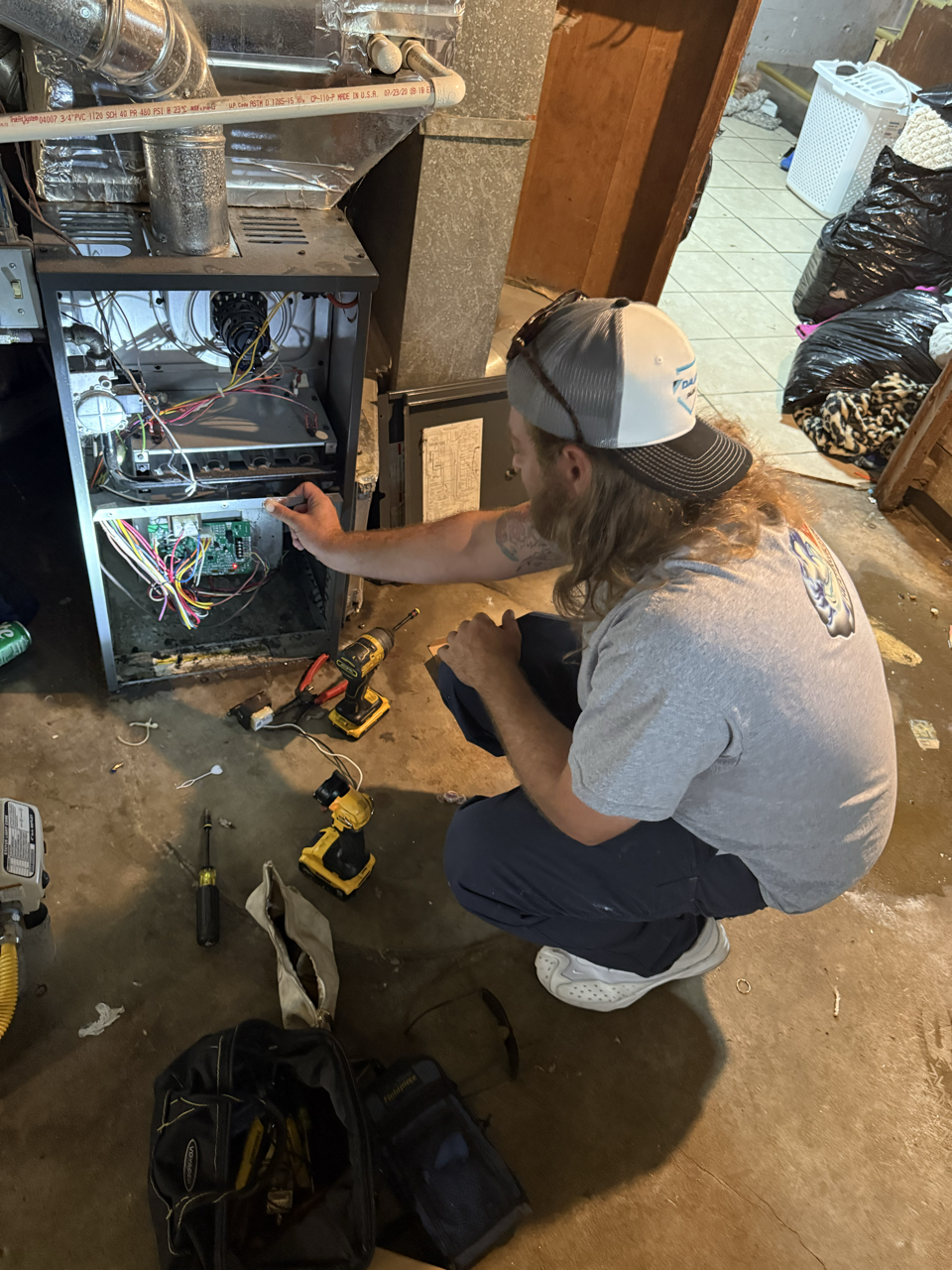
Beyond age and repair costs, safety is the ultimate deciding factor. Warning signs like a cracked heat exchanger, frequent short-cycling, or a yellow burner flame indicate that your system is no longer operating safely. A compromised heat exchanger can leak dangerous carbon monoxide into your living spaces, making an immediate replacement mandatory rather than optional. To ensure your home is fully prepared for the cold, scheduling professional heating services for a comprehensive safety and performance inspection is essential.
One local homeowner experienced this urgency firsthand when they needed a new heat pump installed right in the middle of a severe winter snow storm in Taylorsville KY and surrounding areas. Because they reached out to a responsive local team, technicians arrived punctually despite the extreme weather, cleanly and efficiently installing the new system to restore warmth and safety to the home.
Age and Efficiency Benchmarks
As heating systems age, their efficiency ratings—measured in AFUE (Annual Fuel Utilization Efficiency) for furnaces and HSPF (Heating Seasonal Performance Factor) for heat pumps—steadily decline. A furnace installed 15 years ago might have been rated at 80% AFUE, meaning 20% of the energy consumed was lost as exhaust. Today, due to wear and tear, that same unit might only operate at 65% efficiency. The hidden costs of running an outdated, inefficient unit during peak winter months will consistently show up on your monthly utility bills, making an upgrade a financially sound long-term investment.

Furnace vs. Heat Pump: Options Comparisons for Homeowners
If your evaluation points toward a replacement, the next step is choosing the right technology for your home. The most common debate centers on traditional furnaces versus modern heat pumps. Understanding the operational differences between the two is critical for maximizing your indoor comfort and minimizing your energy consumption.
A traditional gas or electric furnace generates heat by burning fuel or passing electricity through resistance coils. This forced-air system then distributes the heated air throughout the ductwork. Furnaces are known for delivering high-temperature heat very quickly, which is highly effective during extreme cold snaps. However, because they generate heat from scratch, they consume a significant amount of energy.
A heat pump operates on an entirely different principle. Instead of generating heat, it uses refrigerant to absorb ambient heat from the outside air and transfer it indoors. Even when temperatures drop near freezing, modern heat pumps can extract enough thermal energy to keep your home comfortable. Because moving heat requires far less electricity than generating it, heat pumps offer massive energy efficiency advantages for varying seasonal loads. Furthermore, generic federal tax credits may apply to qualifying high-efficiency heat pump installations, making the initial investment more manageable. Always verify current incentive programs with a tax professional or your utility provider.
Determining when heat pump installation and repair makes the most sense depends heavily on your existing infrastructure. If your home lacks access to a natural gas line, a heat pump is almost always the superior choice over a standard electric furnace. Conversely, if you already have a high-efficiency gas furnace and ductwork optimized for high-heat delivery, sticking with advanced furnace technology might be the most seamless transition.
• Primary Function — Traditional Furnace: Generates heat via combustion or electric resistance — Modern Heat Pump: Transfers ambient heat from outdoors to indoors
• Energy Efficiency — Traditional Furnace: High (up to 98% AFUE in top models) — Modern Heat Pump: Extremely High (moves heat rather than creating it)
• Lifespan — Traditional Furnace: 15 to 20 years — Modern Heat Pump: 10 to 15 years (runs year-round)
• Climate Suitability — Traditional Furnace: Ideal for prolonged, extreme sub-zero temperatures — Modern Heat Pump: Excellent for transition zones with variable winters
Long-Term Reliability and Comfort
When comparing the long-term reliability of both systems, you must factor in how they operate on a daily basis. Modern heating systems, whether furnaces or heat pumps, utilize variable-speed technology. Unlike older single-stage units that blast air at 100% capacity and then shut off, variable-speed blowers adjust their output in tiny increments. This provides incredibly consistent heating, eliminates cold spots in the house, and significantly reduces the wear and tear associated with constant on-and-off cycling. As November pre-winter temperature drops begin to test your home, having a system that smoothly adapts to the changing weather is invaluable.
The Impact of Kentucky's Variable Winter Climate
Your geographical location heavily dictates the type of heating system that will perform best. Taylorsville's specific weather patterns create a transition-zone climate. This means residents experience a mix of surprisingly mild winter afternoons and sudden, biting freezing snaps that happen overnight. Because the temperature does not stay consistently below freezing for months on end, highly adaptable heating systems are necessary to maintain indoor comfort without overworking the equipment.
A modern heat pump thrives in this exact environment. During the milder weeks of early winter, a heat pump operates at peak efficiency, sipping electricity while keeping the house perfectly warm. When a sudden freeze hits, advanced heat pumps utilize supplemental heating elements to bridge the gap, ensuring you never wake up to a freezing living room. Conversely, a traditional furnace will easily handle the freezing snaps but might feel like overkill during the milder transition weeks.
The risks of relying on an outdated, struggling system become glaringly obvious during major family gatherings. One family in the Taylorsville KY and surrounding areas learned this the hard way when their 27-year-old heating system broke down completely on Thanksgiving evening. Fortunately, a dedicated local team arrived that same holiday evening, clearly explained their replacement options, and quickly installed a new system with a wonderful attitude, saving the gathering from disaster. Having a winter-ready home in a demanding climate provides a level of peace of mind that cannot be overstated.
Why Searching 'HVAC Near Me' Requires Careful Vetting
When a heating emergency strikes, the immediate reaction is usually to grab a smartphone and search for local contractors. However, not all search results yield companies with the necessary licensing, insurance, or local experience to handle complex installations. Choosing the right partner is just as important as choosing the right equipment.
An objective repair versus replace recommendation depends entirely on the honesty and expertise of the technician evaluating your system. A high-pressure sales team might push for a full replacement when a simple sensor cleaning would suffice, while an inexperienced technician might perform a temporary patch on a cracked heat exchanger, leaving your family in danger. This is why working with a company that prioritizes long-term trust over immediate sales is vital. 3D Heating and Cooling's trusted reputation and local expertise serve as the benchmark for what homeowners should look for when vetting a service provider.
During severe weather events, local availability and fast response times separate the reliable contractors from the rest. You need a team that maintains a robust local fleet and deep inventory of parts to ensure you aren't left waiting for days while components are shipped from out of state.
Key Credentials to Verify
Before letting anyone inspect your system, you must ensure they are fully qualified to perform the work. Knowing what to look for in a Taylorsville HVAC company protects your home and your investment.
1. State Licensing and Insurance: Verify that the contractor holds an active HVAC license and carries comprehensive liability and workers' compensation insurance. This protects you from liability if an accident occurs on your property.
2. Transparent Diagnostics: A reputable technician will physically show you the damaged components—like a failing blower motor or a cracked heat exchanger—and clearly explain the diagnostics without relying on confusing industry jargon.
3. Written Guarantees: Look for companies that stand behind their workmanship with clear, written warranties on both parts and labor.
4. Brand Certifications: Technicians who are factory-authorized or hold specialized certifications have undergone rigorous training to install modern, high-efficiency systems correctly.
Validating Local Trust Through Genuine Customer Reviews
One of the most effective ways to verify a contractor's reliability and emergency responsiveness is by reading genuine community reviews. While any company can claim to offer 24/7 service on their website, their actual track record is documented in the experiences of your neighbors. Reading local reviews reveals whether a company actually answers the phone during a weekend freeze or if they leave customers stranded.
Trustworthy contractors will always transparently explain the system's condition rather than defaulting to high-pressure sales tactics. You want a team that consistently delivers prompt, respectful service, whether they are providing HVAC services in Bardstown or handling a complex installation in Taylorsville. Reviews that mention technicians who took the time to explain the pros and cons of repairing versus replacing are strong indicators of a company's integrity.
True reliability is tested when conditions are at their absolute worst. Another homeowner faced a sudden heating failure late in the evening on the coldest day of the year. A trustworthy technician showed up late that night, diagnosed the issue transparently, and successfully repaired the system—getting the heat back up and running without forcing an unnecessary full replacement. That level of dedication provides ultimate reassurance as November pre-winter temperature drops begin to threaten aging equipment.
Frequently Asked Questions About Heating Upgrades
Is it better to repair or replace a 15-year-old furnace?
The short answer is that a 15-year-old furnace is usually better off being replaced if it requires a significant repair. Because the average lifespan of a traditional furnace is 15 to 20 years, investing heavily in an aging unit often leads to diminishing returns. Applying the 50% rule—replacing the system if repairs cost half as much as a new unit—is a safe financial strategy. Additionally, a new system will provide much higher energy efficiency, lowering your monthly utility bills.
How do I choose a reliable HVAC contractor?
Choosing a reliable contractor requires verifying their local reputation, licensing, and insurance. Start by reading genuine customer reviews to confirm their track record for emergency availability and honest communication. Ensure they carry active state licenses and liability insurance to protect your property during the installation. Finally, look for a company that offers transparent, written estimates without relying on high-pressure sales tactics.
Should I upgrade to a heat pump before winter?
Upgrading to a heat pump before winter is an excellent proactive decision, especially in transition-zone climates. Heat pumps are incredibly efficient at moving ambient heat into your home, which handles the mild to moderately cold days perfectly. Securing the installation before the freezing weather hits ensures you aren't caught off guard by a sudden breakdown. Furthermore, completing the upgrade early helps you avoid the holiday rush when local contractors are booked solid.
How do I compare HVAC replacement options?
Comparing replacement options starts with evaluating your home's infrastructure and your long-term comfort goals. You should compare the AFUE ratings of traditional furnaces against the HSPF ratings of modern heat pumps to understand their energy efficiency. Consider whether you want variable-speed technology for more consistent temperatures and quieter operation. A professional HVAC technician can perform a load calculation on your home to recommend the exact size and type of system you need.
What should I look for in local HVAC reviews?
When reading local reviews, look for specific mentions of emergency responsiveness and transparent pricing. Reviews that highlight a technician showing up late at night or during a snowstorm prove the company's commitment to its community. Pay attention to feedback regarding the technicians' willingness to explain the problem clearly. Consistent 5-star ratings that mention honesty and cleanliness are strong indicators of a trustworthy contractor.
How quickly can a local HVAC company replace a failing heating system?
A well-equipped local HVAC company can often replace a failing heating system within 24 to 48 hours of the initial diagnosis. Companies that maintain a robust local inventory and a dedicated fleet are capable of prioritizing emergency replacements during severe weather. While complex installations or custom ductwork modifications may add time, a dedicated team will work diligently to restore your home's heat as quickly and safely as possible.
Secure Your Home's Comfort Before the Holidays
Achieving a clear, objective understanding of your current system's winter readiness is the ultimate goal when weighing options comparisons for homeowners. Making a proactive decision to repair or replace your equipment before the holiday season gets underway guarantees that your family stays warm and safe during sudden November pre-winter temperature drops. Don't wait for a total breakdown on the coldest night of the year; schedule an expert inspection today to evaluate your options and secure your home's comfort for the winter ahead.
Financing

Now Offering Financing Options with Affordable Monthly Payments
where we operate
Service Areas
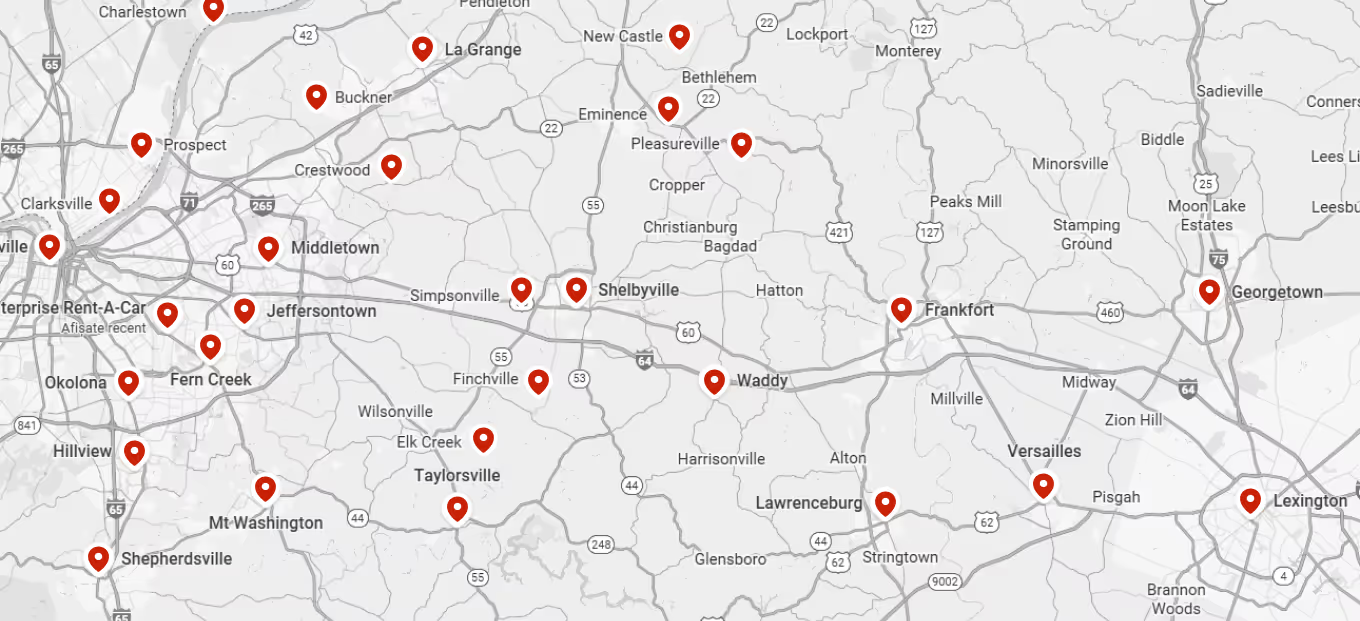
Proudly serving Spencer county, Jefferson county, Bullitt county, and the surrounding areas
Short Heading Goes Here
Sed iaculis aenean sit sed risus arcu vitae integer elit.

