



5 min read
Heat Pump Auxiliary Heat Explained: Is It an Emergency?
Waking Up to the Aux Heat Indicator During a Sudden Cold Snap
November in the Taylorsville KY area is notorious for sudden weather shifts, and before the season's first major temperature drop hits, you need to know how your heating equipment will react. Getting your heat pump auxiliary heat explained early is the best way to avoid panic when you wake up on a chilly morning to find a new alert illuminated on your wall. A typical pattern we see is homeowners noticing the thermostat 'Aux Heat' indicator for the first time during a sudden November overnight freeze, leading to immediate anxiety about a broken system and a freezing house.
Seeing that unfamiliar light often creates a stressful decision point: do you need to call for emergency repair immediately, or is it safe to let the system keep running? The short answer is that modern heating technology is specifically designed to handle these exact weather fluctuations automatically. Understanding the normal operation of your heat pump systems provides peace of mind and keeps you from making unnecessary late-night service calls.
When the outdoor temperature plummets rapidly, your home loses thermal energy faster than a standard compressor can replace it. This is the exact scenario your auxiliary heating strips were built for. Instead of a warning sign of impending failure, that indicator light is simply your system communicating that it has activated its built-in safety net to keep your family comfortable.
The Mechanics Behind the Drop: Understanding Balance Points
To understand why your thermostat 'Aux Heat' indicator turns on, you first need to understand how a heat pump actually warms your home. Unlike a traditional gas furnace that creates heat by burning fuel, a heat pump moves existing heat from the outside air into your living space. Even when it feels freezing outside, there is still thermal energy in the air. The refrigerant inside your outdoor unit absorbs this ambient heat, compresses it to increase the temperature, and transfers it inside.
The concept of the balance point: Every system has a specific temperature threshold known as the balance point, which typically sits between 30 and 40 degrees Fahrenheit. Above this temperature, your primary compressor operates at peak efficiency, easily extracting enough ambient heat to keep your home warm. However, as the outdoor air gets colder, there is progressively less heat available to extract. When the temperature drops below that critical balance point, the compressor can no longer keep up with your home's heat loss on its own.
Automatic threshold detection: Central Kentucky frequently sees rapid temperature swings in late fall, meaning systems will frequently cross this balance point overnight. When your thermostat senses that the indoor temperature is dropping despite the heat pump running continuously, it automatically engages the secondary electric resistance heating strips located inside your indoor air handler. These strips act like the glowing coils inside a toaster, providing immediate, high-temperature supplemental heat.
A built-in safety net: It is crucial to remember that this transition is a perfectly normal, automated function. The system is not failing; it is simply adapting to the environment. If you are concerned about how your equipment is handling these transitions, scheduling professional heat pump service and repair can ensure your outdoor sensors and indoor strips are calibrated correctly for the upcoming winter.

Auxiliary Heat vs. Emergency Heat: Knowing the Difference
One of the most common points of confusion for homeowners is distinguishing between the automatic functions of their system and the manual overrides available on the thermostat. While the terms sound similar, auxiliary heating and emergency heating serve entirely different purposes and operate in completely different ways. Misunderstanding these settings can lead to significant efficiency losses and unnecessary wear on your equipment.
The automatic nature of auxiliary heating: Auxiliary heat is a seamless, automated process. You do not need to flip a switch or change a setting to make it happen. The thermostat's temperature sensors monitor the indoor climate and outdoor conditions, engaging the secondary strips only when absolutely necessary and turning them off as soon as the primary compressor can handle the load again. You will simply see the thermostat 'Aux Heat' indicator illuminate while it runs.
The manual override of emergency heating: Emergency heat, on the other hand, is a manual setting that you must actively select on your thermostat. When you switch to emergency mode, you are completely locking out the outdoor heat pump compressor. The system will rely 100% on the indoor electric resistance strips to warm your home. This setting should only be used if the outdoor unit has completely failed, such as being crushed by a falling branch or encased in a solid block of ice.
Never manually switch your thermostat to emergency heat simply because it is cold outside. Doing so bypasses the highly efficient heat pump entirely, forcing your system to use the most energy-intensive heating method available for all of your home's heating needs. For reliable heating services, knowing these differences prevents unnecessary strain on your HVAC infrastructure.
• Activation Method — Auxiliary Heat (Aux): Automatic (controlled by thermostat sensors) — Emergency Heat (Em Heat): Manual (selected by the homeowner)
• Primary Heat Source — Auxiliary Heat (Aux): Heat pump compressor + electric strips — Emergency Heat (Em Heat): Electric resistance strips ONLY
• Energy Efficiency — Auxiliary Heat (Aux): Moderate (strips only run when needed) — Emergency Heat (Em Heat): Very Low (strips run constantly)
• When to Use — Auxiliary Heat (Aux): Normal operation during cold snaps — Emergency Heat (Em Heat): Total failure of the outdoor unit
Timeline of a Heat Pump During a Freezing Night
To fully demystify how your system operates during a severe cold snap, it helps to walk through a typical overnight freeze hour by hour. The local climate pattern often features freezing nights followed by milder mid-day temperatures, which forces your HVAC system to cycle through different operational modes to maintain indoor comfort. Here is exactly what you can expect from your equipment during a sudden November overnight freeze.
1. The Evening Drop (6:00 PM - 10:00 PM): As the sun goes down and outdoor temperatures begin to plummet from the 50s into the low 40s, your home starts losing heat faster. During this phase, you will notice your heat pump running longer cycles. It might stay on for 45 minutes to an hour at a time. This is perfectly normal. The system is working efficiently to extract the remaining ambient heat from the air, and the auxiliary strips remain off.
2. The Overnight Freeze (2:00 AM - 5:00 AM): The temperature drops into the 20s, officially crossing the system's balance point. The outdoor compressor is still running, but it cannot absorb enough heat to maintain your set indoor temperature of 70 degrees. The thermostat senses the indoor temperature dipping to 68 or 69 degrees. Automatically, the indicator turns on, and the secondary electric resistance strips activate. The air coming from your vents will suddenly feel much warmer as the strips supplement the compressor.
3. The Defrost Cycle Interruption: During this deep freeze, frost may begin to accumulate on the outdoor unit's coils. To prevent ice buildup, the system will temporarily reverse its flow, switching into air conditioning mode for a few minutes to melt the frost. While this happens, the auxiliary strips run continuously to ensure cold air isn't blown into your home. You might hear a loud swoosh or see steam rising from the outdoor unit—this is normal defrosting, not smoke.
4. The Morning Recovery (8:00 AM - 11:00 AM): As the sun rises and outdoor temperatures climb back into the 40s, the ambient heat in the air increases. The primary compressor regains its efficiency. The thermostat senses that the compressor can handle the load alone, automatically turning off the secondary strips. The indicator light goes dark, and normal operation resumes for the rest of the day.
ol>
Energy Consumption and Efficiency Expectations
One of the primary reasons homeowners panic when they see the auxiliary indicator is the underlying fear of a massive utility bill. It is a well-known fact in the HVAC industry that electric resistance heating strips use significantly more energy than a primary heat pump compressor. A compressor uses electricity simply to move heat from one place to another, which is highly efficient. Resistance strips, however, must use electricity to generate heat from scratch, which requires a heavy draw of power.
Managing the overall impact: While the strips are energy-intensive, the overall impact on your monthly utility bill during a typical cold snap in the Taylorsville KY area is usually manageable. Because the supplemental heat is controlled by precise thermostat sensors, it only runs during the coldest hours of the night. As soon as the outdoor temperature rises slightly, or the indoor temperature reaches the set point, the strips shut off. They are not running 24/7, which limits the total energy consumed.
The advantage of modern technology: Modern, high-efficiency heat pumps handle this transition much better than older models. Advanced variable-speed compressors can adjust their output incrementally, allowing them to extract heat at much lower outdoor temperatures before needing to rely on the backup strips. This pushes the balance point lower, meaning the auxiliary mode is triggered less frequently and for shorter durations.
Incentives for upgrading: If you have an older system that seems to rely on backup heating constantly, it might be struggling with diminished efficiency. Upgrading to a modern, high-efficiency system can drastically reduce your winter energy consumption. Furthermore, many high-efficiency heat pump installations may qualify for generic federal tax credits or local utility incentive programs. We always advise homeowners to check with their local utility provider or a qualified tax professional to verify current programs and eligibility requirements.
Checklist: Normal Operation vs. When to Call a Professional
Knowing exactly what to look for can help you avoid unnecessary panic and save you from booking a service appointment you don't actually need. At 3D Heating and Cooling, we believe in honest guidance. We will actively tell you not to call us for service if your system is simply exhibiting normal behaviors during a cold snap. Use this checklist to determine if your thermostat 'Aux Heat' indicator is a sign of normal operation or a cry for help.
• Normal: The indicator turns on when it is below 35 degrees outside. If the weather is freezing, the system is supposed to use backup heat. This is the equipment functioning exactly as designed.
• Normal: The system runs continuously during a deep freeze. Heat pumps are designed to run for long periods to maintain a steady temperature. Constant running in 20-degree weather is efficient and expected.
• Abnormal (Call a Pro): The indicator stays on when it is 50 degrees outside. If the weather is mild and the backup heat is still running, you likely have a faulty thermostat sensor or a failing compressor.
• Abnormal (Call a Pro): The outdoor unit is completely encased in a solid block of ice. While a light layer of frost is normal, a thick, solid block of ice means the automatic defrost cycle has failed. This requires professional intervention.
• Abnormal (Call a Pro): The system is blowing cold air while the indicator is active. If the backup strips are engaged but the air is cold, the strips or the sequencer may be burned out.
If you notice any of the abnormal signs, you likely need Lexington heat pump repair to restore your system's functionality. For more detailed steps on diagnosing airflow issues, you can review our comprehensive guide on troubleshooting a heat pump that isn't heating properly.
Signs Your System Needs Immediate Attention
While some issues can wait a day or two, certain symptoms indicate a severe mechanical failure that requires immediate attention before permanent damage occurs to the compressor.
• Loud, unusual grinding noises from the outdoor unit: This often indicates a failing fan motor or a compressor that is struggling to operate due to internal damage or severe ice buildup.
• The home's temperature continues to drop despite the system running constantly: If the indoor temperature is steadily falling into the low 60s while the system runs, both the primary compressor and the backup strips have likely failed.
• Frequent, short-cycling behavior: If the system turns on, runs for two minutes, and shuts off repeatedly, it is short-cycling. This is a protective measure usually triggered by an electrical fault or a severe refrigerant leak.
Frequently Asked Questions
Why does my thermostat say Aux Heat?
Your thermostat displays this message to indicate that the secondary electric resistance heating strips have turned on. This happens automatically when the outdoor temperature drops too low for the primary heat pump to warm your home efficiently on its own.
Is Aux Heat the same as Emergency Heat?
No, they are completely different functions. Auxiliary heat is an automatic process that supplements the outdoor compressor during cold weather, while emergency heat is a manual setting you select that entirely shuts off the outdoor unit and relies solely on the indoor backup strips.
When should I worry about Aux Heat running?
You should only be concerned if the indicator remains on when outdoor temperatures are mild (above 40 degrees Fahrenheit). If it is running during a cold snap, it is functioning normally, but if it runs constantly in moderate weather, you may have a sensor or compressor issue.
How long should aux heat stay on?
The backup heating strips should only stay on until the indoor temperature reaches the setting on your thermostat, or until the outdoor temperature rises enough for the compressor to take over. This usually means it will cycle on and off in 15 to 30-minute intervals during a freezing night.
Does aux heat use a lot of electricity?
Yes, the electric resistance strips require significantly more electricity to operate than the primary heat pump compressor. However, because they are only designed to run in short bursts during the coldest parts of the day, the overall impact on your energy bill is generally kept in check by the thermostat's sensors.
Will my heat pump switch back to normal heating automatically?
Yes, the transition is entirely automated. As soon as the outdoor temperature rises above the balance point or the indoor temperature is satisfied, the thermostat will shut off the backup strips and return to highly efficient normal operation without any input needed from you.
Understanding your system is the key to staying comfortable and calm during unexpected weather shifts. By knowing exactly why your equipment switches modes and how it operates during freezing weather, you can easily identify the specific signs that actually indicate a real malfunction. Schedule your seasonal tune-up before the next major freeze hits to ensure your primary compressor and backup strips are ready to work together flawlessly.
Financing

Now Offering Financing Options with Affordable Monthly Payments
where we operate
Service Areas
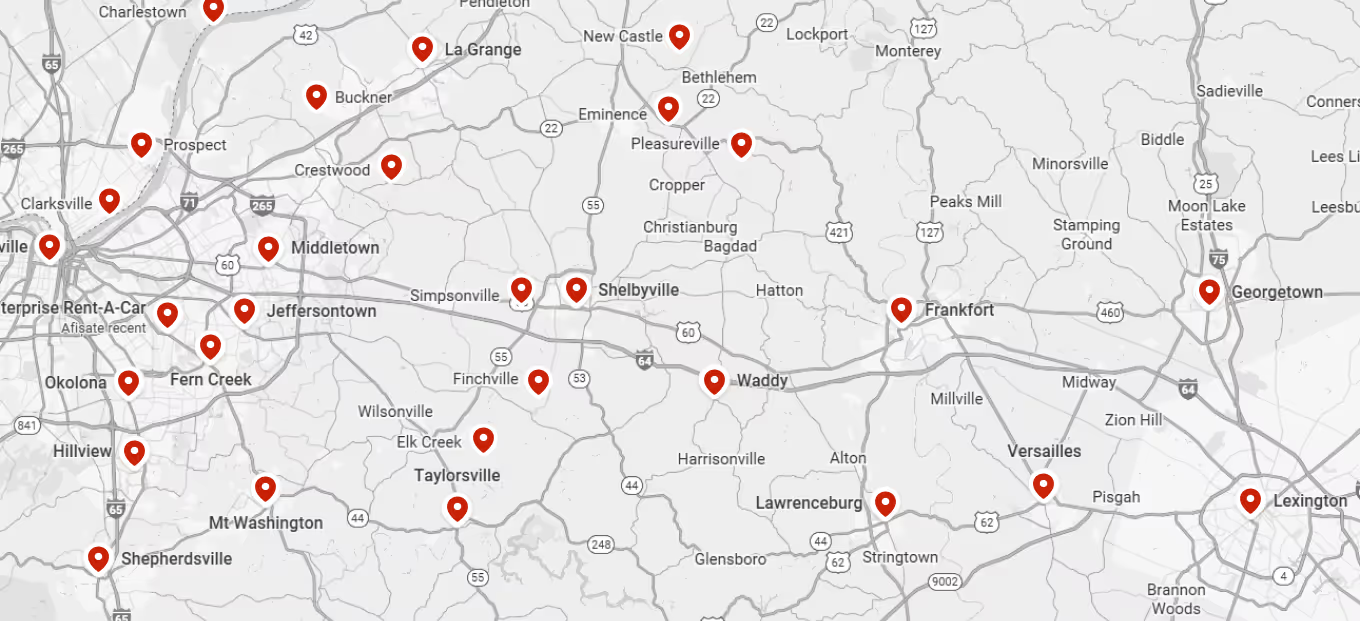
Proudly serving Spencer county, Jefferson county, Bullitt county, and the surrounding areas
Short Heading Goes Here
Sed iaculis aenean sit sed risus arcu vitae integer elit.

