



5 min read
Home
/
October Heating Startup: Home Maintenance Tips and Troubleshooting Before Searching 'HVAC Near Me'
October Heating Startup: Home Maintenance Tips and Troubleshooting Before Searching 'HVAC Near Me'
The Anxiety of the First Fall Heating Cycle
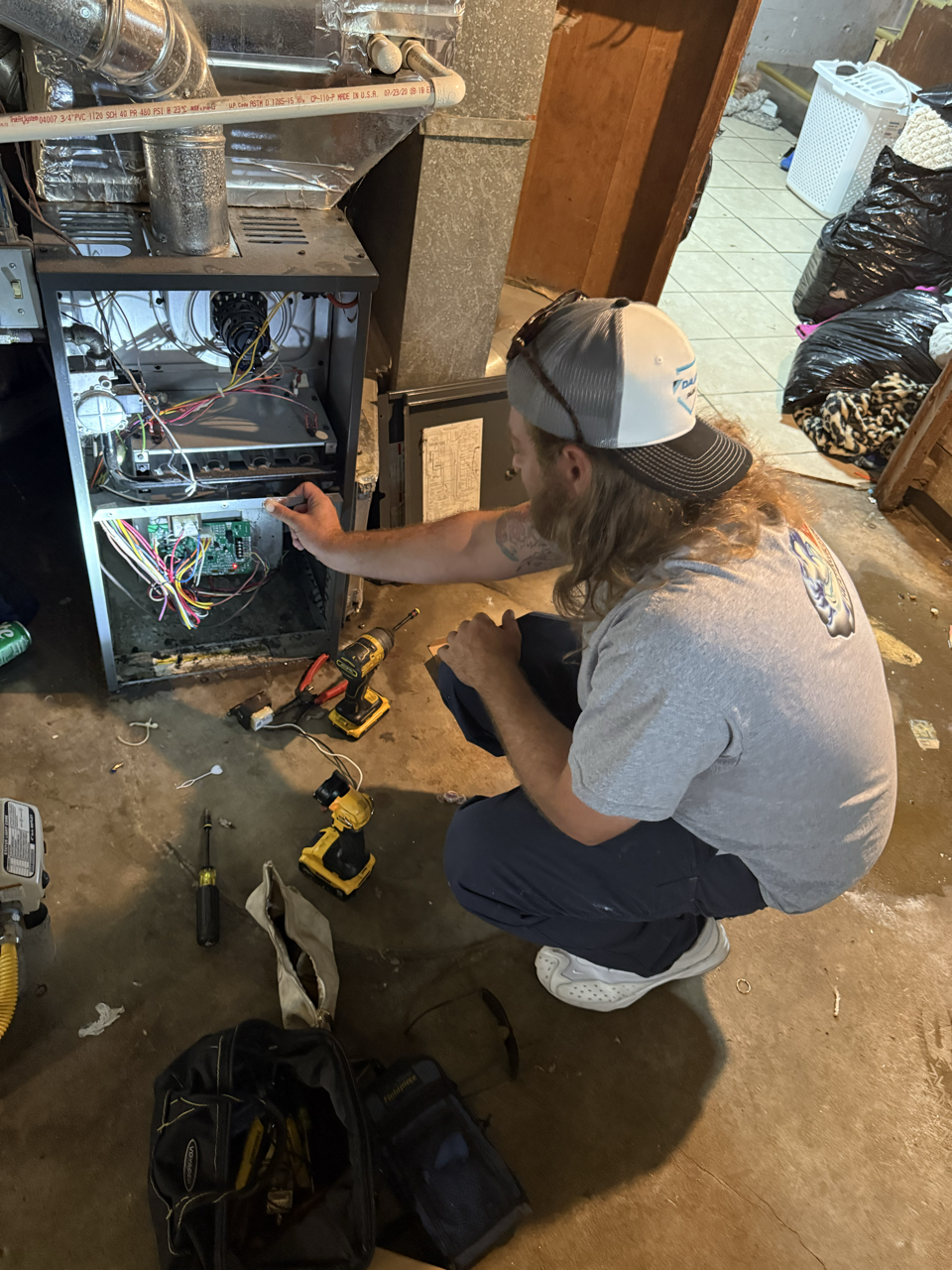
You turn your thermostat to "heat" for the first time this season, expecting a comforting wave of warm air, but instead, you are greeted by an unsettling burning smell or a loud, metallic clank. At 3D Heating and Cooling, we know that when looking for reliable home maintenance tips and troubleshooting, the October heating startup is often the most stressful event of the year for homeowners. That initial cycle forces a system that has been dormant for months to suddenly operate at peak capacity. Rather than viewing this first run as a simple seasonal chore, our team highly recommends treating it as a critical diagnostic test. Pay close attention to how the system sounds, smells, and operates during these first few minutes.
The primary decision point you face right away is determining whether those initial odors and noises are harmless seasonal quirks or the early warning signs of a mechanical safety issue. For complete peace of mind, partnering with a team that provides comprehensive HVAC services ensures you have access to professional heating solutions when you need them most.
What to watch for during the first startup:
• Airflow consistency: Does the air blow forcefully from all vents, or is it weak and sluggish?
• Cycle length: Does the furnace run for a standard 10 to 15 minutes, or does it shut off almost immediately?
• Thermostat response: Does the room temperature actually rise to match the set point on your thermostat?
Understanding the baseline behavior of your heating equipment empowers you to make informed decisions before the deep winter freeze sets in.
Why Idle Systems Produce Odors: The Science of Dust Burn-Off
The most common cause of panic during the fall transition is a distinct burning odor spreading through the house. The root cause is simple physics. During the long, dormant summer months, airborne particulates continuously circulate through your ductwork. Because Taylorsville's hot, humid summers cause excess dust and moisture to settle heavily on idle indoor components, a thick layer of debris coats the furnace's heat exchanger. When the system finally ignites, that heat exchanger rapidly reaches temperatures exceeding 140 degrees Fahrenheit, instantly incinerating the accumulated organic matter.
According to general guidelines from the Department of Energy (DOE) and the EPA regarding indoor air quality, a brief period of dust burn-off is a standard operational phase for residential heating equipment. The solution is observation and proper ventilation rather than immediate panic. Our technicians have visited countless Taylorsville area homes during the fall, and we always reassure homeowners that this normal off-gassing process resolves itself relatively quickly, provided the system is functioning correctly.
The 60-Minute Safety Window
The standard benchmark for normal dust burn-off is the 30-to-60-minute rule. When the heat exchanger reaches its optimal operating temperature, the settled dust flashes off, producing a smell similar to singed hair or toasted dust. This odor should steadily decrease in intensity after the first 15 minutes and dissipate entirely within an hour.
Safe ventilation practices during the 60-minute window:
• Open cross-ventilation: Crack a few windows on opposite sides of the house to allow fresh air to dilute the indoor air.
• Engage ceiling fans: Turn ceiling fans on a low, forward setting to keep the air moving and prevent the odor from pooling in higher rooms.
• Monitor continuously: Stay in the house while the furnace runs its first few cycles to ensure the smell is fading, not intensifying.
Recognizing Dangerous Furnace Smells
While burning dust is a harmless nuisance, other odors indicate severe mechanical or electrical failures that require immediate intervention. In our years of servicing local systems, we've found that the October heating startup often reveals underlying issues that developed quietly over the summer. Knowing the difference between a dirty heat exchanger and a melting wire is critical for household safety.
If you detect any of the following odors, shut off the heating system at the thermostat immediately. Do not attempt any DIY electrical or mechanical repairs, as this equipment operates using high voltage and combustible gases.
• Melting plastic or electrical burning: A sharp, acrid smell similar to melting wire insulation or an overheated appliance often points to a failing blower motor, a seized bearing, or a short circuit in the control board.
• Ozone or metallic odors: Often described as the smell of an electrical spark, this indicates that the system is drawing too much amperage, potentially due to a failing capacitor or a compromised electrical connection.
• Rotten eggs or sulfur: Natural gas is odorless, but utility companies add a chemical called mercaptan to give it a distinct rotten egg smell. If you smell this near your furnace or vents, evacuate the house and call your gas provider immediately—this is a severe explosive hazard.
• Exhaust fumes or formaldehyde: A chemical, exhaust-like odor entering the living space suggests a breach in the venting system or a cracked heat exchanger, which can allow dangerous combustion byproducts into the home.
Decoding Furnace Noises During Startup
Auditory clues are just as revealing as odors when diagnosing a heating system. As metal components heat up and expand, some noise is expected. However, specific mechanical sounds point directly to component degradation. When our team performs fall maintenance in Taylorsville area homes, we always emphasize that troubleshooting these sounds early in the season can prevent catastrophic breakdowns in January.
1. Identify normal popping and ticking: As warm air fills cold sheet metal ductwork, the metal expands. This thermal expansion creates a popping or pinging sound that is entirely normal and harmless.
2. Listen for screeching or squealing: A high-pitched screech usually indicates that the blower motor bearings are failing or that a fan belt (in older models) is slipping. This requires professional lubrication or motor replacement.
3. Watch out for loud banging or booming: A loud boom when the furnace cycles on is a symptom of delayed ignition. Gas builds up in the combustion chamber before the igniter finally sparks, causing a small explosion. This is a serious safety hazard that can crack the heat exchanger over time.
4. Heed grinding or scraping sounds: Metal-on-metal grinding typically means the blower wheel (squirrel cage) has come loose from its mount and is scraping against the housing.
When to Shut Down Your System
The threshold for shutting down the system is crossed when a noise transitions from a brief nuisance to a sustained, aggressive mechanical sound. If a noise vibrates the floorboards, forces you to raise your voice to speak over it, or sounds like metal tearing, turn off the power at the breaker. Internal mechanical sounds require professional diagnostics to ensure the structural integrity of the blower and burner assemblies.


The Hidden Danger of Cracked Heat Exchangers
One of the most critical safety hazards revealed during the October heating startup is a compromised heat exchanger. The heat exchanger is a series of metal coils or tubes that separate the breathable air in your home from the toxic combustion gases created by burning fuel. Over thousands of heating cycles, the constant expansion and contraction of this metal can lead to fatigue, stress fractures, and eventually, cracks.
When a heat exchanger cracks, carbon monoxide (CO)—a colorless, odorless, and highly toxic gas—can leak into the supply airstream and be distributed throughout the living space. Because CO is undetectable to human senses, functional carbon monoxide detectors are a non-negotiable safety requirement in any home with a gas furnace. Local building codes and national safety regulations mandate the placement of CO detectors outside every sleeping area.
Our team recently helped a local homeowner who experienced this firsthand during the fall when their carbon monoxide detectors repeatedly triggered. Recognizing the urgent safety issue, our technicians inspected the system, identified a severely cracked heat exchanger, and promptly removed the compromised machine to install a safe, new heating and cooling system. Rapid, professional emergency response is critical when CO alarms activate; never ignore a sounding detector or attempt to reset it without having the HVAC equipment thoroughly evaluated by a licensed technician.
Evaluating Aging Systems Before Freezing Temperatures Arrive
If your heating system is exhibiting multiple warning signs during its initial startup, it may be time to evaluate its overall lifespan. Residential furnaces and heat pumps typically last between 10 and 15 years, depending on maintenance history and usage patterns. Evaluating an aging system in the fall provides a strategic advantage, allowing you to make calculated replacement decisions before an emergency breakdown occurs in the middle of a January freeze.
It is also vital to look at the entire HVAC ecosystem. Your furnace and air conditioner share the same indoor air handler and blower motor. Because these components run year-round, the wear and tear from summer cooling cycles directly impacts your winter heating reliability. Even if you recently invested in air conditioning repair and installation, an aging furnace component can still cause the entire system to underperform.
We frequently see this play out in the field. In one instance last winter, a customer struggling with severe system inefficiency and high energy bills called our team to diagnose the underlying issues. After completing flawless repair and maintenance, the system ran perfectly and energy bills noticeably decreased. Professional evaluations offer a clear roadmap, detailing whether a targeted repair will suffice or if a full system replacement is the more reliable and cost-effective option for Taylorsville area homes.
How to Evaluate Local Contractors When Troubleshooting Fails
When startup symptoms cross the line from normal dust burn-off to mechanical failure, finding a reliable professional becomes the immediate priority. Not all search results yield the same caliber of service. As a trusted local provider, we believe knowing how to filter and vet local HVAC companies ensures you receive transparent diagnostics rather than aggressive sales tactics during a vulnerable moment.
Key criteria for vetting local HVAC professionals:
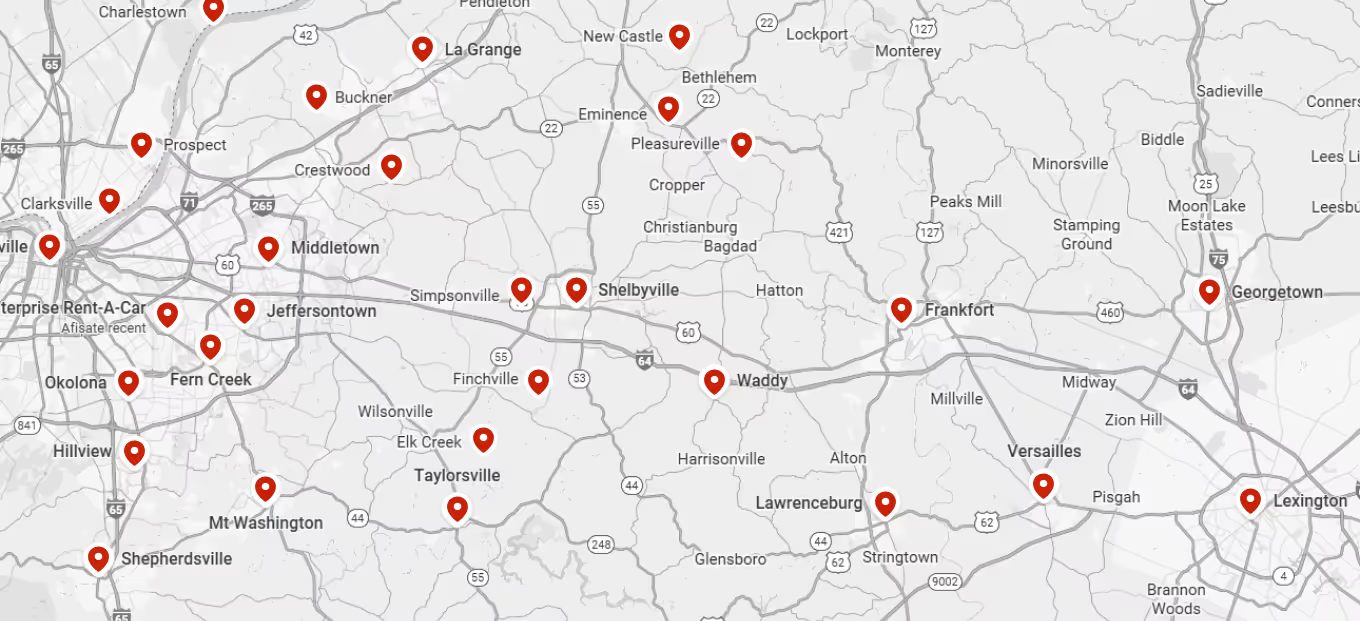
• Comprehensive service area: A local contractor with a broad, well-supported service footprint offers better reliability. By leveraging comprehensive Kentucky service areas across Taylorsville, Lexington, and Louisville, a company demonstrates the logistical capacity to dispatch emergency support quickly when your October heating startup reveals a major fault.
• Verified licensing and insurance: Always verify that the technicians arriving at your home are fully licensed and insured to perform mechanical and electrical repairs. This protects your property and ensures compliance with local building codes.
• Diagnostic transparency: Look for professionals who prioritize safety-first mentalities. A reputable technician will walk you through their findings, show you the damaged components, and explain the "why" behind their recommendations.
• Emergency availability: Heating failures rarely happen during standard business hours. Confirm that the company has a robust system for handling after-hours emergency calls.
For more detailed guidance on making an informed decision, reviewing resources on choosing an HVAC company in Taylorsville can provide additional insights into selecting a trustworthy partner for your home comfort needs.
Frequently Asked Questions About Fall Furnace Startups
Is it normal for my heater to smell the first time I turn it on?
Yes, a brief burning smell is entirely normal during the first startup of the season. This odor is caused by the system burning off the dust and airborne particulates that settled on the heat exchanger during the idle summer months. As long as the smell resembles toasted dust and begins to fade relatively quickly, it is a standard operational phase for Taylorsville area homes. If the smell is acrid, chemical, or electrical, shut the system down.
How long does the burning smell last when turning on the heater?
The standard burning dust smell should noticeably decrease in intensity within 15 to 30 minutes and dissipate completely within an hour. Opening a few windows and running ceiling fans can help clear the air more rapidly. If the burning odor persists beyond the 60-minute mark, or if it grows stronger instead of weaker, it is time to turn off the thermostat and call a professional to investigate.
Why does my heater smell like burning dust?
Your heater smells like burning dust because the heat exchanger reaches extremely high temperatures almost instantly upon ignition. Any organic matter, pet dander, or household dust that accumulated on the metal surfaces over the summer is immediately incinerated. This physical reaction creates a distinct, temporary off-gassing that circulates through your ductwork. Regular filter changes and professional maintenance can help minimize this seasonal accumulation.
What do dangerous furnace noises sound like?
Dangerous furnace noises are typically loud, sustained, and mechanical in nature. A loud boom or bang upon startup indicates delayed ignition, where gas builds up before sparking. High-pitched screeching points to failing motor bearings, while metal-on-metal grinding suggests a broken blower wheel. If your system makes noises that vibrate the floor or sound like tearing metal, shut off the power immediately to prevent further internal damage.
When should I call an HVAC tech for a furnace smell?
You should call an HVAC technician immediately if you detect the smell of melting plastic, burning electrical wires, ozone, or exhaust fumes entering your living space. Additionally, if the standard burning dust smell persists for more than an hour, professional diagnostics are required. Never ignore the smell of rotten eggs or sulfur, as this indicates a severe natural gas leak requiring emergency evacuation and utility intervention.
How do I know if my furnace needs a professional repair before winter?
Your furnace likely needs professional repair if it short-cycles (turns on and off rapidly), fails to reach the temperature set on the thermostat, or produces weak, lukewarm airflow. Unusual mechanical noises and persistent odors are also clear indicators of component wear. Having a licensed technician evaluate the system in the fall ensures that minor issues are resolved before they escalate into total system failures during freezing weather.
Secure Your Winter Comfort with Expert Diagnostic Support
Taking the symptoms of your October heating startup seriously is the most effective way to protect your home and your family. While a brief dust burn-off and minor ductwork popping are normal, ignoring sustained mechanical noises, electrical odors, or weak airflow can lead to dangerous and inconvenient breakdowns later in the season. At 3D Heating and Cooling, we believe true peace of mind comes from knowing definitively that your system is safe, efficient, and ready for winter operation. If you have any doubts about your equipment's performance after that initial test run, our team is here to help. Scheduling a professional inspection provides the clear, safety-first breakdown you need to confidently transition into the colder months.
Financing

Now Offering Financing Options with Affordable Monthly Payments
where we operate
Service Areas
Proudly serving Spencer county, Jefferson county, Bullitt county, and the surrounding areas
Short Heading Goes Here
Sed iaculis aenean sit sed risus arcu vitae integer elit.

