



5 min read
Searching for an 'HVAC Near Me'? Troubleshooting Your Fall Furnace Startup
Is It Normal for My Heater to Smell During the First Fall Startup?
Are you standing in your hallway, staring at the vents, and wondering if that faint burning scent is actually normal? If you are searching for practical home maintenance tips and troubleshooting advice, few things cause as much sudden anxiety as the first furnace startup of the season. You switch the thermostat from cooling to heating, hear the familiar click, and within minutes, an unsettling odor fills the house. At 3D Heating and Cooling, our team fields dozens of calls every October from homeowners who are convinced they are facing an electrical fire or catastrophic equipment failure.
The short answer is that a brief, mild burning smell during the initial startup is incredibly common and usually harmless. However, knowing exactly how to distinguish between a routine seasonal quirk and a serious mechanical hazard is essential for your family's safety. As we approach the first October cold snap, dormant heating systems are suddenly forced to wake up and work at maximum capacity. In our experience, this sudden shift often exposes underlying wear and tear that accumulated quietly over the summer months.
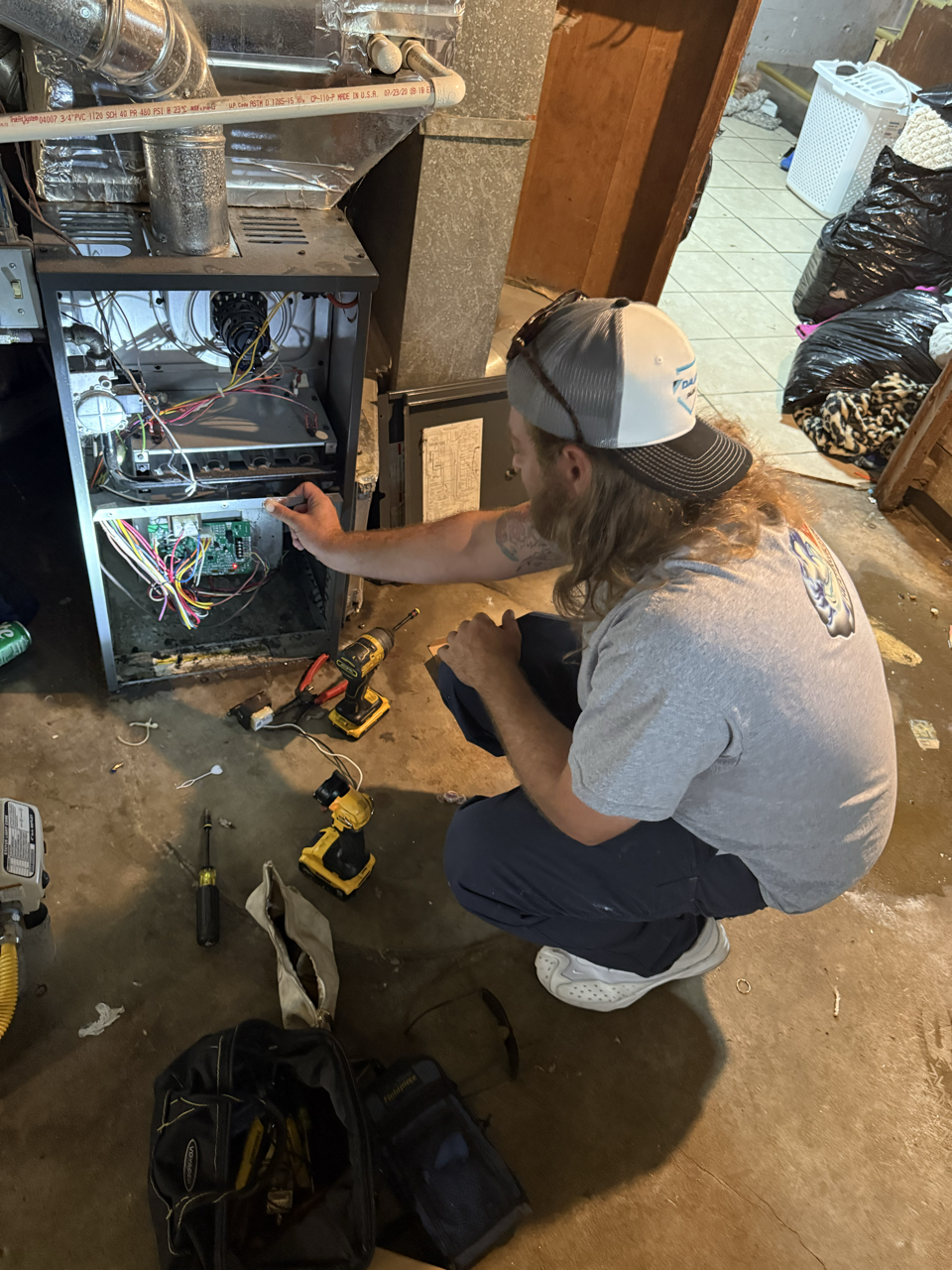
Before you panic, it helps to understand exactly what happens inside your heating equipment when it fires up for the first time in months. If you are ever in doubt about the safety of your system, reaching out for comprehensive HVAC services is always the smartest move. Our professional diagnostics can quickly identify whether you are simply smelling harmless dust burning off the heat exchanger or if you are dealing with a compromised component that requires immediate attention.
Why Does My Furnace Smell Like Burning Dust?
To understand why your furnace produces that distinct campfire-like odor, we have to look at the environment your equipment lives in during the off-season. Throughout the spring and summer, your furnace sits completely idle. Even if your air conditioning is running, the heating components, specifically the heat exchanger and the burners, remain inactive.
The Impact of High Summer Humidity
In our years serving regions like Taylorsville and Spencer County, we've seen how the local climate plays a massive role in how your furnace behaves in the fall. High summer humidity causes moisture to linger in the air. As standard household dust, pet dander, and microscopic debris circulate through your ductwork, this ambient moisture causes those particles to stick heavily to the cold, dormant metal surfaces of your heat exchanger. Our technicians routinely find a surprisingly thick layer of organic material coating internal heating components after a long summer.
The Initial Burn-Off Cycle
When you finally switch your thermostat to heat, the burners ignite, and the heat exchanger rapidly climbs to temperatures exceeding a few hundred degrees. The layer of settled dust and debris literally bakes and burns off the metal surfaces. The blower motor then pushes that heated air directly into your living spaces, carrying the distinct smell of burning dust with it. This is a normal physical reaction we see every fall, not a sign of equipment failure.
Setting Expectations for the Odor
A standard dust burn-off smell should be relatively mild and dissipate quickly. In most homes we visit, the odor will peak within the first ten minutes of operation and fade away completely within 15 to 30 minutes. You can help clear the air by opening a few windows to ventilate the house during this initial cycle. However, if the smell lingers for hours, grows increasingly pungent, or changes in character, you may be facing a genuine mechanical issue. At that point, scheduling professional heating repair and installation services becomes necessary to ensure the system is operating safely.
Warning Signs: What Does a Failing Furnace Sound and Smell Like?
While a temporary dusty odor is harmless, our technicians are trained to identify other sensory clues that serve as clear red flags for a heating system in distress. Ignoring these warning signs can lead to total system failure or, worse, severe safety hazards for your household. Diagnosing internal mechanical or gas-related issues requires a licensed professional—you should never attempt DIY repairs on gas valves, electrical relays, or combustion chambers.
Dangerous Smells to Watch For:
• Electrical burning or melting plastic: This acrid, sharp odor usually points to an overheating blower motor, a seized bearing, or melting wire insulation. Turn the system off immediately at the thermostat.
• Sulfur or rotten eggs: This is the universal warning sign of a natural gas leak. Evacuate the home, leave the doors open, and contact your gas utility provider immediately.
• Metallic or chemical odors: Often associated with an overheated heat exchanger or a cracked component venting exhaust gases improperly.
Dangerous Sounds to Watch For:
• Loud banging or booming: A sudden boom when the furnace ignites is called delayed ignition. Gas builds up in the chamber before the igniter sparks, causing a small explosion that can crack the heat exchanger over time.
• Continuous rattling or scraping: A metal-on-metal grinding noise usually indicates a loose blower wheel, a failing motor bearing, or a broken mount.
• High-pitched squealing: This often points to a frayed blower belt or a motor that desperately needs lubrication.
The risks associated with these symptoms are severe, particularly when it comes to the heat exchanger. One local homeowner experienced this firsthand during a recent fall when their carbon monoxide detectors unexpectedly triggered. The underlying cause was a severely cracked heat exchanger leaking dangerous gases into the living space. The 3D Heating and Cooling team was dispatched quickly to remove the compromised machine and safely install a new furnace, ensuring the family's safety before the first October cold snap fully set in.


How Local Weather Impacts Dormant Heating Equipment
Heating systems are heavily influenced by the environment they operate in. The physical toll of regional weather patterns creates specific stressors that can weaken HVAC components over time. After years of keeping Kentucky homes comfortable, we know that the transition from summer to fall is rarely a gentle, gradual process. Instead, homeowners often experience wild temperature swings, moving from humid, eighty-degree afternoons to freezing overnight lows in a matter of days.
This rapid shift forces dormant heating equipment to go from zero to maximum capacity instantly. The physics of thermal expansion and contraction play a major role here. Metal components, like the heat exchanger and the flue pipes, expand when they heat up and contract as they cool down. When a furnace has been sitting inactive for months, a sudden, intense heating cycle stresses these metal parts. Over years of operation, we commonly see this repeated expansion and contraction cause microscopic stress fractures in the heat exchanger, which can eventually widen into dangerous cracks.
Furthermore, the high humidity we experience throughout the summer in Taylorsville and Spencer County doesn't just cause dust to stick; it can also promote minor surface corrosion on electrical contacts and sensors. A pattern we see often is a flame sensor that has developed a thin layer of oxidation over the summer failing to register the burner flame in October, causing the furnace to shut itself down as a safety precaution.
Because regional stressors vary so widely, it is highly beneficial to work with technicians who understand the specific environmental challenges of your area. Having coverage across our local service areas ensures that our professionals inspecting your system know exactly how local humidity and rapid temperature drops affect specific makes and models.
Searching for an 'HVAC Near Me': Vetting Reliable Local Contractors
When normal startup quirks cross the line into actual mechanical failures, your next step is finding a contractor you can trust. If you are frantically searching for a technician because your heater won't turn on during a freezing night, you are in a vulnerable position. Fast response times are absolutely critical when dealing with potential safety hazards like strange smells, electrical issues, or a total loss of heat in freezing weather.
However, speed should never come at the expense of honesty. At 3D Heating and Cooling, we prioritize accurate, honest diagnostics over pushing unnecessary, full-system replacements. You want a technician who will take the time to explain exactly which component failed, why it failed, and what your options are for repairing it safely.
One of our local customers experienced this exact scenario when their heating system failed late in the evening during severe winter weather. Because they reached out to our 24/7 emergency response team, a technician arrived promptly despite the harsh conditions. We diagnosed the specific issue and successfully restored the heat without pressuring the homeowner into an immediate system replacement. This level of integrity builds the kind of strong community reviews that separate reputable companies from fly-by-night operations.
When you are choosing an HVAC company in Taylorsville, look for established businesses that offer round-the-clock emergency support, carry proper licensing, and have a proven track record of standing by their local community during severe weather events. Peace of mind comes from knowing that if your furnace fails on a holiday or in the middle of the night, help is just a phone call away.
Why a Pre-Winter Inspection is a Critical Safety Measure
Many homeowners view annual furnace maintenance as an optional expense or a simple tune-up designed solely to lower energy bills. While a clean, well-calibrated system certainly runs more efficiently, our team emphasizes that the primary purpose of a pre-winter inspection is safety and prevention. Positioned correctly, this inspection is a critical safeguard for your home.
A comprehensive inspection catches hidden dangers that are impossible to spot with the naked eye. For instance, our technicians use specialized tools to test for carbon monoxide leaks, inspect the venting system for dangerous blockages, and verify that all safety limit switches are functioning correctly. Finding a cracked heat exchanger in October prevents a life-threatening emergency in December.
Furthermore, preventative maintenance prevents catastrophic mid-winter breakdowns. Furnaces rarely break down on mild, sunny days. They fail when they are working their hardest—typically during the coldest nights of the year when HVAC technicians are completely booked with emergency calls. By scheduling an inspection before the first major freeze, you ensure your system is prepared to handle the heavy workload.
To make this process seamless, many of our customers opt for a structured preventative maintenance plan. These plans typically include scheduled seasonal visits, ensuring that both your heating and cooling systems receive professional attention before their respective peak seasons begin. It takes the guesswork out of maintenance and provides long-term protection for your equipment.
Frequently Asked Questions About Fall Furnace Maintenance
Why does my furnace smell like it's burning?
This is usually caused by household dust burning off the heat exchanger. Over the summer, dust and debris settle on the dormant heating components. When you turn the furnace on for the first time in the fall, those high temperatures bake the dust away, producing a noticeable odor. We assure our customers that this is a completely normal process and should not cause alarm unless the smell is electrical or smells like sulfur.
How long should a furnace smell when first turned on?
The burning dust smell typically dissipates within 15 to 30 minutes of the first heating cycle. You can open a few windows to help ventilate the home while the system burns off the summer accumulation. If the burning smell lasts longer than an hour, grows stronger, or smells like melting plastic, turn the system off at the thermostat and call our professionals immediately.
What furnace noises are dangerous?
Loud banging, continuous rattling, or metal-on-metal scraping are clear warning signs of mechanical trouble. A loud boom upon ignition indicates delayed gas ignition, which we often see crack the heat exchanger over time. Rattling and scraping usually indicate loose blower wheels, broken mounts, or failing motor bearings that require immediate professional repair to prevent total system failure.
When should I call a professional for furnace maintenance?
You should call a professional if smells persist beyond the first startup, if the system makes loud or unusual noises, or if the heating is uneven throughout your home. Ideally, we recommend scheduling a routine inspection before the first major freeze of the season. Proactive maintenance ensures your system is safe to operate before you actually need to rely on it daily.
Is a pre-winter HVAC inspection really necessary?
Yes, it ensures safety by checking for hidden hazards like carbon monoxide leaks and prevents unexpected breakdowns during peak winter weather. Our technicians clean critical sensors, test safety switches, and verify proper combustion. Skipping this inspection leaves your home vulnerable to sudden equipment failure exactly when you need heat the most in Taylorsville and Spencer County.
Ensure a Safe, Warm Winter with Expert Local Heating Services
Understanding the normal quirks of your heating system brings incredible peace of mind as the seasons change. Knowing that a brief, dusty smell during the first October cold snap is perfectly normal allows you to switch on your heat without unnecessary anxiety. However, it is equally important to remain vigilant. Persistent odors, loud mechanical noises, or uneven heating are clear signals that your equipment needs professional attention.
Don't wait for a total system failure on a freezing night to find out your furnace was struggling. If you notice any unusual warning signs, or if your system simply hasn't been checked in over a year, taking proactive steps now is the best way to protect your home. Reach out to our team at 3D Heating and Cooling to schedule a thorough inspection, ensuring your family stays safe, warm, and comfortable all winter long.
Financing

Now Offering Financing Options with Affordable Monthly Payments
where we operate
Service Areas
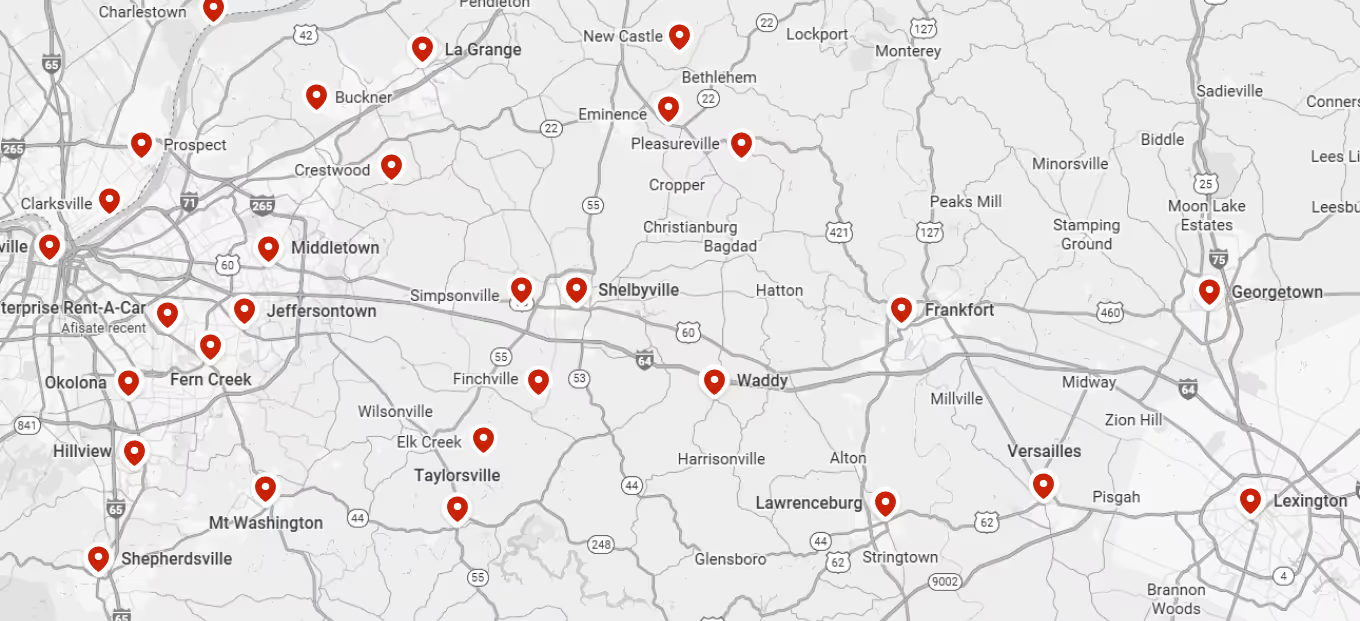
Proudly serving Spencer county, Jefferson county, Bullitt county, and the surrounding areas
Short Heading Goes Here
Sed iaculis aenean sit sed risus arcu vitae integer elit.

