

.svg)


.avif)


5 min read
Preventing System Hazards: Top Home HVAC Safety Tips Every Homeowner Should Know
Identifying Hidden HVAC Hazards Before They Become Emergencies
Your air conditioner is running nonstop to beat the heat, but behind those quiet vents, hidden dangers might be developing unnoticed For homeowners interested in Preventing System Hazards: Top Home HVAC Safety Tips Every Homeowner Should Know, the first step is recognizing that your climate control equipment is a heavy-duty industrial machine operating right inside your house Modern systems handle high voltage electrical currents, extreme temperature fluctuations, and highly pressurized chemical refrigerants every single day Because these complex processes happen out of sight, warning signs are often ignored until the system completely fails.
To protect your property and your family, we recommend having your home HVAC systems evaluated regularly by certified professionals.
Many homeowners strictly associate safety checks with the pre-winter heating season, worrying primarily about furnace flames and carbon monoxide leaks While winter hazards are very real, early summer cooling demands present equally critical, yet frequently ignored, electrical and water-based threats When June temperatures begin to climb, your system works harder, runs longer, and experiences significantly more mechanical stress
The goal here is not to panic, but to empower you to spot early warning signs Proactive monitoring of your home cooling and heating equipment is the most effective way to prevent costly emergencies By understanding how your system operates and knowing exactly what symptoms to look for, you can catch minor issues before they escalate into major safety hazards.
The Anatomy of a Hidden Hazard
Why do HVAC hazards remain hidden for so long The answer lies in the design of the equipment Most critical components—like the blower motor, the evaporator coil, and the primary electrical contactors—are sealed inside metal cabinets or located outside in the elements You only interact with the thermostat and the vents This separation means a slow refrigerant leak, a slightly frayed wire, or a partially clogged drain line will not immediately affect your daily comfort
However, these minor mechanical stresses compound over time A small issue forces the system to work slightly harder, drawing more electricity and generating more heat Eventually, this mechanical strain crosses a threshold, leading to a sudden, dangerous failure Learning to bridge the gap between what you feel in the room and what is happening inside the cabinet is the key to true system safety.
The Summer Threat: Condensate Overflow and Electrical Risks
The Problem: When you turn on your air conditioner, you expect cold air But cooling is only half of the equation
Air conditioners also extract massive amounts of moisture from your indoor air during peak summer heat This moisture collects on the cold evaporator coil, drips into a condensate drain pan, and flows outside through a narrow PVC pipe
The Cause: With Taylorsville's hot, humid summers, your AC unit is forced to run longer and extract significantly more moisture from the air This elevated humidity significantly increases the risk of condensate drain clogs compared to drier climates Over time, the constant flow of warm, damp air allows algae, mold, and dust to accumulate inside that narrow drain line Once a blockage forms, the continuous stream of condensation has nowhere to go The water backs up, quickly filling the shallow drain pan until it overflows.
The Solution: The primary hazard here is water overflowing directly into the high-voltage electrical components located beneath the coil Water and electricity are a disastrous combination A flooded cabinet can cause electrical shorts, destroy expensive circuit boards, or even create a shock hazard near the unit To prevent this, you must establish a routine for visually inspecting the indoor unit's drain pan
How to Inspect Your Condensate System
You do not need specialized tools to perform a basic visual inspection of your condensate system Follow these simple steps every few weeks during the cooling season:
• Locate the indoor unit: Find your air handler (usually in a basement, closet, or attic) and look for the PVC pipe exiting the bottom of the cabinet.
• Check the drain pan: Use a flashlight to look into the shallow pan beneath the coil A small amount of moisture is normal, but standing water indicates a slow or completely blocked drain.
• Inspect the outdoor exit: Go outside and find where the PVC pipe terminates While the system is running, you should see a steady drip of water If the pipe is dry while the AC is running on a humid day, you have a blockage.
• Look for water damage: Check the floor or ceiling around the indoor unit for unexplained water stains, rust on the metal cabinet, or pooling water.
If you spot standing water, turn the system off at the thermostat immediately to stop the flow of condensation and prevent electrical damage.
Overheating Components and Fire Risks
According to National Fire Protection Association (NFPA) data, heating and cooling equipment failures are leading causes of home fires While many people assume fires only start from gas furnaces, electrical fires originating from neglected air conditioning components are a serious summer threat
The root cause of most overheating issues is a simple domino effect triggered by restricted airflow When you forget to change your air filter, a thick layer of dust and pet hair blocks the air from moving freely through the system
To compensate for the lack of air, your blower motor has to work much harder to pull oxygen through the dense, clogged filter This excessive mechanical strain causes the motor to draw more electrical current, which rapidly generates excess heat.
Modern HVAC systems are equipped with internal safety switches designed to shut the equipment down when overheating occurs However, if these switches fail due to age, or if a frustrated homeowner attempts to bypass them to force the system to run, it creates an immediate fire hazard
The Danger of Ignoring Tripped Breakers
Your electrical panel is the first line of defense against overheating components A tripped circuit breaker is a vital safety mechanism doing exactly what it was designed to do: stopping the flow of electricity when a circuit overloads
One thing we see often is homeowners repeatedly resetting a tripped AC breaker, hoping the system will eventually stay on This is highly dangerous If your HVAC system trips the breaker upon startup, it indicates a persistent electrical short or a grounded compressor Forcing electricity back into a compromised circuit can melt wires, destroy the compressor, or start a fire in the walls If the breaker trips more than once, leave it off You must prioritize troubleshooting common system failures with a professional rather than forcing the system to run.
Outdoor Condenser Clearance
Overheating isn't limited to the indoor unit Your outdoor condenser plays a critical role in releasing the heat absorbed from your home During June heatwaves, the compressor inside that metal cage is already operating under extreme thermal stress If the unit is choked by overgrown bushes, tall grass, or a buildup of cottonwood seeds on the metal fins, it cannot properly release heat This forces the compressor to run at dangerously high temperatures, risking a complete mechanical breakdown or an electrical fire.
Air Quality and Ventilation Warning Signs
The Problem: System safety isn't just about preventing electrical fires or mechanical breakdowns; it is equally about protecting your respiratory health and ensuring safe ventilation Hidden hazards within your ductwork or air handler can directly impact the quality of the air circulating through every room in your house.
The Cause: The dark, damp environment inside an air conditioner is the perfect breeding ground for biological contaminants As discussed earlier, summer cooling creates excessive moisture If the system isn't draining properly, or if the coils are covered in dirt, mold and bacterial growth will rapidly accelerate
Financing

Now Offering Financing Options with Affordable Monthly Payments
where we operate
Service Areas
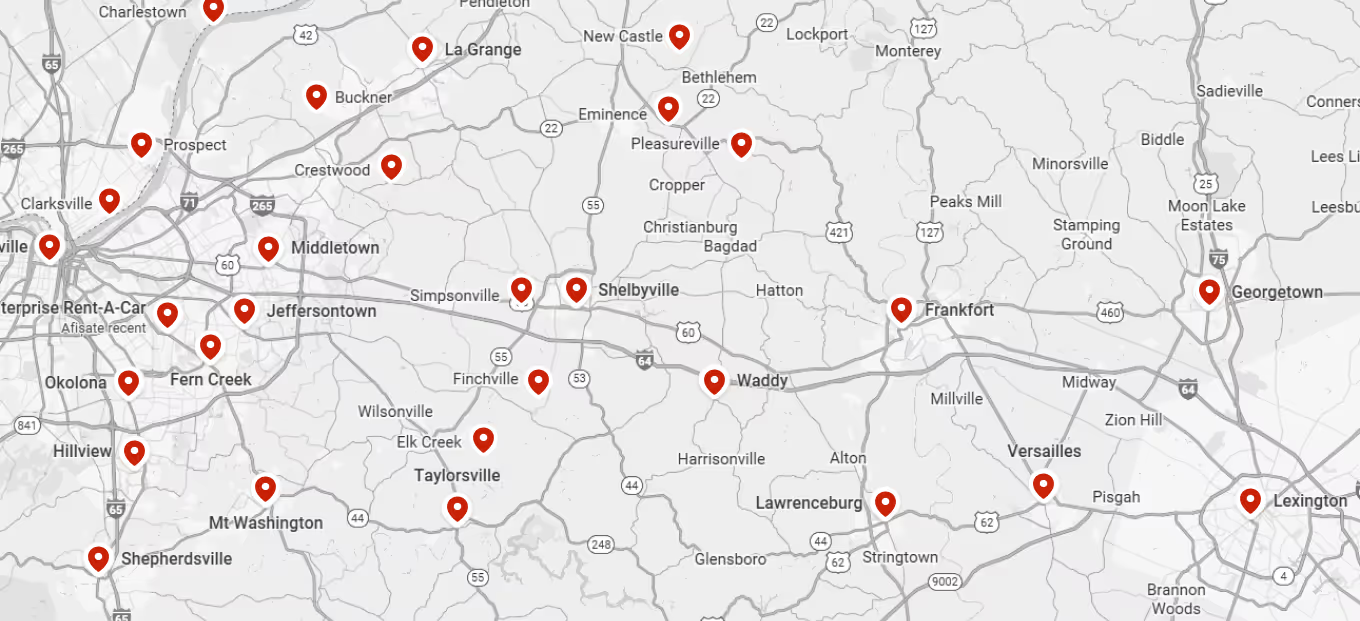
Proudly serving Spencer county, Jefferson county, Bullitt county, and the surrounding areas
Short Heading Goes Here
Sed iaculis aenean sit sed risus arcu vitae integer elit.

