
5 min read
The Safety-First Seasonal Home Maintenance Checklist: When to Call an HVAC Expert Near You
The First Cold Snap: Addressing Unexpected Heating Anomalies
You pull out your seasonal home maintenance checklist on that first chilly October morning, adjust the thermostat, and wait for the warm air to start flowing. Instead of immediate comfort, you notice a distinct burning smell drifting from your vents, accompanied by a few unexpected clunks from the basement or utility closet. This specific moment presents a critical decision point for many homeowners during their October or mid-fall heating startup. Do you let the system run and hope it is just clearing out summer dust, or do you shut it down immediately because of a potential safety risk?
Navigating these early seasonal quirks is easier when you have our reliable team at 3D Heating and Cooling providing local HVAC services ready to step in.
A standard fall to-do list usually covers basic chores like cleaning gutters, raking leaves, and swapping out air filters. However, evaluating the actual safety of your heating system requires professional insight. While a brief, dusty odor is often harmless, other unusual smells or sounds indicate mechanical distress. The key is knowing the difference. By taking a straightforward, safety-first approach to your heating system, you can confidently distinguish between normal seasonal behaviors and serious hazards that require immediate expert attention.
What Happens Inside Your HVAC System After Summer Dormancy
To understand why your heating system acts strangely during its first run of the season, you have to look at what happens inside the cabinet. After months of inactivity, transitioning from air conditioning services mode back to heating creates the highest mechanical stress your system will experience all year. Components settle, dust accumulates, and lubricants can pool in the bottom of motors.
The Combustion and Heat Pump Startup Sequence
Whether you rely on a gas furnace or an electric heat pump in Taylorsville KY, the startup sequence is a complex, multi-step process. Here is what happens when your thermostat calls for heat:
1. The Draft Inducer Motor Starts (Furnaces): This small fan clears residual gases out of the heat exchanger to ensure a safe environment for combustion.
2. The Igniter Glows: The surface igniter heats up, or the pilot light engages, preparing to light the incoming fuel.
3. The Gas Valve Opens: Fuel flows into the burners and ignites across the heat exchanger.
4. The Reversing Valve Shifts (Heat Pumps): For heat pump systems, an electrical signal physically shifts the reversing valve, changing the flow of refrigerant so it pulls ambient heat from outside and releases it indoors.
5. The Blower Motor Engages: Finally, the main fan pushes air over the heated coils or heat exchanger and distributes it through your ductwork.
Transitioning from Summer Cooling to Fall Heating
During the off-season, the internal components of your furnace sit completely idle. Dust, pet dander, and microscopic debris settle directly onto the heat exchanger and burner assemblies. When the system fires up for the first time, those components reach temperatures of several hundred degrees within seconds. The settled debris immediately incinerates, which creates the noticeable burning smell that alarms so many homeowners.
Understanding this sequence is incredibly helpful. When you know the exact order of operations, you can easily recognize when your system deviates from its normal routine—such as a blower motor that never engages, or a burner that rapid-cycles on and off.
Decoding Fall Heating Anomalies: Normal Dust Burn-Off vs. Safety Hazards
Not every strange smell or sound requires an emergency response. However, ignoring a persistent anomaly can lead to severe equipment damage or unsafe indoor air quality. Here is how to decode what your system is telling you during an October or mid-fall heating startup.
Identifying Harmless Dust Burn-Off
Normal dust burn-off has a very specific profile. It typically smells like dry, toasted dust—similar to the scent of a space heater that has just been turned on. This odor should be temporary. In most healthy systems, the smell peaks within the first five minutes of operation and completely dissipates within 15 to 30 minutes. Opening a few windows during this initial cycle provides proper ventilation and helps clear the air quickly.
Warning Signs of Mechanical Failure
If the smell does not fade, or if it takes on a chemical or electrical character, you are no longer dealing with dust. You must shut the system down at the thermostat if you notice any of the following red flags.
• Electrical Burning: A scent similar to melting plastic, hot wires, or ozone indicates an overheating motor, a failing capacitor, or compromised wiring.
• Sulfur or Rotten Eggs: This is the universal warning sign of a natural gas leak. Shut the system down, evacuate the house, and call your utility provider immediately.
• Grinding or Screeching Sounds: Metal-on-metal noises point to worn-out bearings or a misaligned blower belt.
• Loud Booming Sounds: A loud "bang" when the furnace ignites usually means there is a delayed ignition issue, causing a small buildup of gas to ignite all at once.
• Dry, toasted dust smell — Likely Cause: Settled debris burning off the heat exchanger — Expected Duration: 15 to 30 minutes — Required Action: Monitor and ventilate; normal operation
• Melting plastic or hot wire smell — Likely Cause: Failing electrical components or overheating motor — Expected Duration: Persistent — Required Action: Shut down immediately and call a professional
• Sulfur or rotten egg odor — Likely Cause: Natural gas leak near the furnace — Expected Duration: Persistent — Required Action: Evacuate immediately and call utility provider
• Soft clicking during startup — Likely Cause: Normal ignition sequence or relays engaging — Expected Duration: A few seconds — Required Action: None; normal operation
• Loud booming or banging — Likely Cause: Delayed gas ignition or failing blower wheel — Expected Duration: Occurs at startup or randomly — Required Action: Shut down immediately and call a professional

Essential Safety Inspections for Your Seasonal Home Maintenance Checklist
While changing your air filter is a great DIY task, the bulk of your fall heating preparation requires highly specialized tools and training. Professional safety inspections are a non-negotiable part of responsible homeownership, particularly when dealing with combustion appliances that carry severe risks.
Heat Exchanger Integrity and Carbon Monoxide Risks
The heat exchanger is the metal shield that separates the toxic combustion gases from the clean air circulating through your home. Over years of use, the constant expansion from heat and contraction from cooling causes metal fatigue. This stress can eventually lead to hairline cracks. A cracked heat exchanger allows dangerous carbon monoxide (CO) to leak directly into your ductwork.
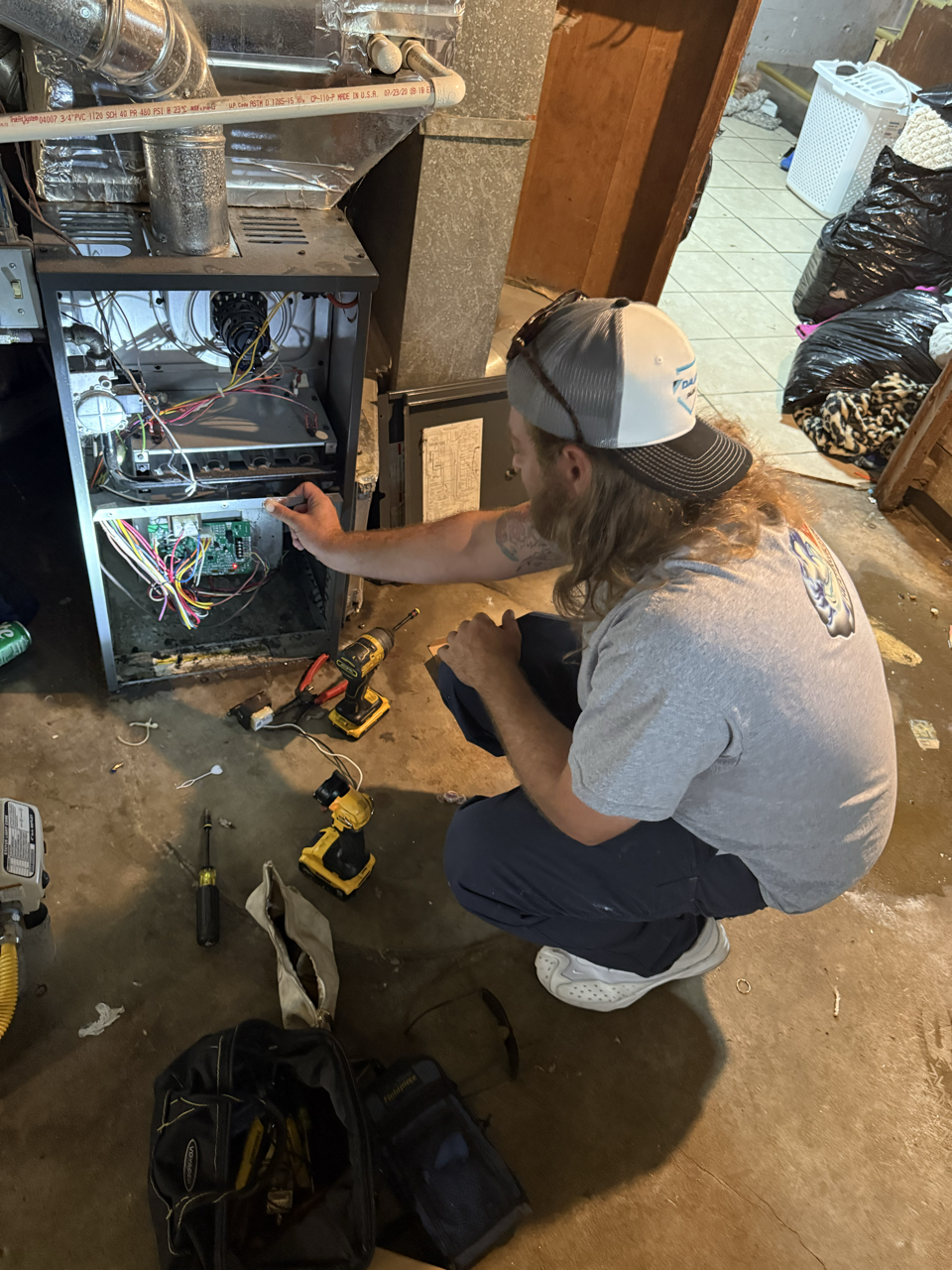
Because carbon monoxide is completely colorless and odorless, it represents a silent danger. Our team at 3D Heating and Cooling responded to an emergency this past fall in Taylorsville KY when a homeowner's carbon monoxide detectors kept going off due to a cracked heat exchanger. We arrived within an hour, safely removing the compromised machine and handling a full replacement. This highlights exactly why testing your smoke and carbon monoxide detectors is a critical prerequisite to turning on the furnace, and why professional combustion analysis is necessary to catch microscopic cracks before they become life-threatening.
Electrical Connection and Thermostat Calibration Checks
Beyond the burner assembly, your system relies on a network of electrical safety switches and limit controls. A licensed technician will test the high-limit switch, which is responsible for shutting down the furnace if it overheats. They will also inspect the flame sensor to ensure it is accurately detecting ignition; a dirty flame sensor will cause the system to short-cycle or fail to run entirely.
Thermostat calibration is another major focus. If your thermostat is reading the ambient temperature incorrectly, it will force your system to run longer than necessary, driving up your energy usage and wearing out moving parts prematurely. Because these checks involve high-voltage electricity and sensitive gas valves, they should never be attempted as weekend projects. Trusting our professionals for heating installation and repair ensures the job is done safely and correctly.
Evaluating Local Authority: What to Look for in an HVAC Contractor
When an October or mid-fall heating startup reveals a serious mechanical issue, your next step is finding a qualified professional to diagnose the problem. The urgency of a cold house often leads homeowners to hire the first company that answers the phone, but vetting your contractor is highly recommended.
In our experience, proximity and rapid response times matter immensely when dealing with a potential heating emergency. For example, our team recently installed a new heat pump for a customer during severe winter weather. We arrived in the middle of a snowstorm, installing the unit cleanly and punctually to restore safe heating to the home—even helping them document the replacement for federal tax credits that may apply to qualifying heat pump installations. This level of dedication is exactly what you should expect from a trusted local provider.
Here is a checklist of criteria to evaluate when choosing a professional:
• Established Community Reputation: Look for a company with a proven track record in your specific area. Our strong local reputation at 3D Heating and Cooling and reliable service across the region demonstrate our commitment to long-term customer relationships.
• Proper Licensing and Insurance: Verify that the technicians carry the appropriate state licenses to handle natural gas lines, refrigerants, and high-voltage wiring safely.
• Transparent Diagnostics: A reputable contractor will physically show you the failed component, explain the technical problem in plain language, and offer budget-accommodating options without using high-pressure sales tactics.
• Comprehensive Safety Protocols: Ask if their standard diagnostic process includes combustion analysis and carbon monoxide testing, which confirms their capability to handle complex safety inspections.
Understanding what Taylorsville residents should look for in an HVAC company protects your home from subpar workmanship and ensures your system operates at peak safety.
Proactive Climate Preparation for Kentucky Winters
The urgency of completing your safety checklist is directly tied to the impending weather. Taylorsville KY experiences distinct, rapid seasonal shifts. The transition from a mild autumn afternoon to a freezing winter night can happen in a matter of days, meaning the window for proactive maintenance is incredibly narrow.
Routine seasonal maintenance prevents the vast majority of unexpected mid-winter breakdowns. When a technician cleans the blower wheel, lubricates the bearings, and tests the capacitors in October, those components are far less likely to fail during a January freeze. Proactive scheduling allows you to address minor wear and tear on your own timeline, completely avoiding the chaotic rush of emergency service calls that flood dispatch centers during the first major temperature drop.
Preparation extends beyond the indoor cabinet, as well. If you utilize a heat pump, you must clear the area around the outdoor condenser. Remove fallen leaves, overgrown brush, and debris from the perimeter of the unit. Heat pumps require unrestricted airflow to pull ambient heat from the outdoor air; if the coils are choked by wet leaves, the system will struggle to heat your home and may eventually freeze over. Ensuring your entire property is ready for winter is a standard part of the comprehensive care our team provides to the areas we serve in Kentucky.
Frequently Asked Questions About Fall HVAC Maintenance
Is it normal for my heater to smell like burning dust?
Yes, a brief burning dust smell is completely normal during the first startup of the season. Dust and debris settle on the heat exchanger over the summer, and this material incinerates when the furnace heats up. The odor should peak quickly and fade away entirely within 15 to 30 minutes of operation.
Why does my heater smell like burning dust when I turn it on?
The smell comes from the physical incineration of microscopic particles. During the off-season, pet dander, lint, and household dust bypass the filter and rest on the internal heating components. When those components reach several hundred degrees during the initial October or mid-fall heating startup, the settled debris burns off and the blower pushes that scent into your living space.
What should I check before turning on my furnace in the fall?
Before touching the thermostat, our team recommends verifying that your smoke and carbon monoxide detectors have fresh batteries and are fully operational. You should also replace your HVAC air filter with a clean one and ensure all supply and return vents in the home are fully open and unobstructed by furniture or rugs.
How do I know if my furnace is safe to run?
A furnace is generally safe to run if it ignites smoothly, produces warm air steadily, and operates without loud banging, grinding, or chemical smells. However, the only definitive way to confirm safety—especially regarding hidden carbon monoxide leaks or electrical faults—is to have a licensed technician perform a comprehensive combustion and electrical analysis.
Can I perform my own fall HVAC safety inspection?
Homeowners should handle basic upkeep like changing filters, cleaning exterior vents, and clearing debris from around outdoor units. However, inspecting the heat exchanger, calibrating the gas valve, and testing high-voltage safety switches require specialized tools and training. These technical tasks must be left to a licensed professional to avoid serious safety hazards.
How quickly should an HVAC contractor respond to a heating anomaly?
If you suspect a dangerous anomaly like a gas leak or an electrical short, shut the system down and contact a professional immediately; reputable contractors prioritize safety hazards and will dispatch a technician as quickly as possible. For non-emergency tune-ups and inspections, scheduling a few days or weeks in advance during the early fall is standard practice.
Secure Your Comfort: Next Steps for a Safe Winter Season
Tackling your seasonal home maintenance checklist does not have to be a stressful experience. While the first startup of the year in Taylorsville KY can occasionally produce surprising smells or sounds, understanding the mechanics behind your system helps you respond with confidence. Most early-season quirks are simply the result of summer dormancy clearing out of the system.
However, when an anomaly persists, professional oversight is the smartest choice you can make. Our qualified local experts can quickly identify whether that strange sound is just a loose panel or a failing motor, resolving the issue long before the deep winter freeze sets in. By scheduling a comprehensive safety inspection with 3D Heating and Cooling now, you secure a warm, efficient, and thoroughly safe environment for your home all season long.
Financing

Now Offering Financing Options with Affordable Monthly Payments
where we operate
Service Areas
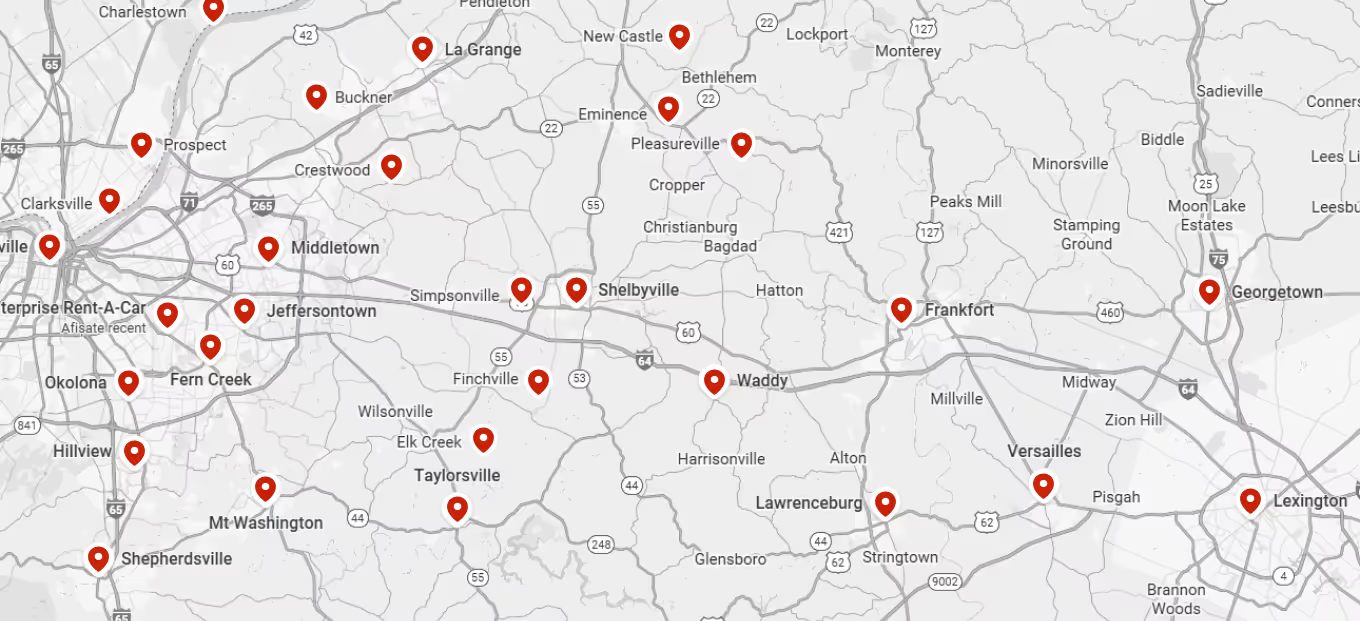
Proudly serving Spencer county, Jefferson county, Bullitt county, and the surrounding areas
Short Heading Goes Here
Sed iaculis aenean sit sed risus arcu vitae integer elit.