
5 min read
Why Does My Heater Smell Like Burning? When to Search for an 'HVAC Near Me'
That First Chilly Night: Smelling Burning During Your November Startup
Have you ever switched your thermostat to "heat" on the first cold evening of the year, only to be hit with a strong, alarming odor pouring out of your air vents? When looking for reliable home maintenance tips and troubleshooting advice, one of the most urgent questions homeowners ask is whether that sudden burning smell is a normal part of the season or a sign of an impending disaster. It is incredibly jarring to expect warm, comforting air and instead feel like something is catching fire inside your walls.
Having a baseline understanding of your system before calling for professional HVAC services or scheduling heating repair and installation can save you time, money, and unnecessary panic. The November initial heating startup is a prime time for these odors to appear, as systems transition from their long summer slumber into heavy daily use.
The decision you face in that moment is critical: do you let the system run to clear itself out, or do you shut it down immediately to prevent a safety hazard? Making the right choice comes down to knowing exactly what is happening inside your ductwork and recognizing the specific smells that signal a true mechanical emergency.
The Science Behind the Scent: What Happens on the Heat Exchanger
To understand why your vents are producing that distinct odor, you have to look at what your heating equipment has been doing for the past six months: absolutely nothing. While your air conditioner was working hard all summer, the heating components of your furnace were sitting completely dormant.
During this extended downtime, airborne household particulates constantly circulate through your ductwork. Even with a high-quality air filter in place, microscopic debris inevitably makes its way into the furnace cabinet and settles directly onto the heat exchanger. This debris typically consists of:
• Pet dander and hair: Microscopic flakes of skin and fur that easily bypass standard filters.
• Human skin cells and lint: The everyday dust that makes up the bulk of household airborne matter.
• Cooking aerosols: Vaporized oils and greases from your kitchen that travel through the return vents.
• Pollen and outdoor allergens: Particles tracked inside during the spring and summer months.
The Combustion Process
The heat exchanger is a large metal shield that separates the breathable air in your home from the toxic combustion gases created by the furnace burners. When you initiate that November initial heating startup, the burners ignite, and the heat exchanger rapidly rises to extreme temperatures.
Any dust, lint, or dander that has settled on that metal surface over the summer is instantly incinerated. The burning smell you detect is quite literally the scent of that accumulated household dust burning off the metal plates. This process is an expected, mechanical reality of seasonal transitions. It is not inherently a sign of system failure or a flaw in your equipment.
A Critical Safety Warning: Never attempt to open your furnace cabinet or access the heat exchanger to clean this dust yourself. The internal components of a gas or electric furnace require exact calibration and specialized tools. Attempting to wipe down a heat exchanger can damage delicate sensors, misalign burners, or create highly dangerous gas leaks. Always leave internal cabinet cleaning and diagnostics to a licensed professional.
The 30-Minute Rule: Defining Normal Dust Burn-Off
Knowing that dust incineration is a normal mechanical process is reassuring, but it does not mean you should ignore the smell indefinitely. To protect your home, you need clear, time-bound parameters to evaluate the situation. The industry standard for monitoring this phase is what we call the 30-Minute Rule.
A normal dust burn-off odor should dissipate quickly once the heating system reaches its full operating temperature and cycles the air a few times. You are looking at a strict 15 to 30 minutes of expected odor duration. If the smell is purely dust burning off the heat exchanger, it will peak in intensity during the first ten minutes and rapidly fade away after that.
How to properly monitor your system during startup:
1. Stay in the house: Never turn on your heater for the first time and leave to run errands. You need to be present to monitor the air quality.
2. Stay awake: Do not initiate the first heating cycle right before going to bed. Run the test during the late afternoon or early evening when you are fully alert.
3. Keep vents unobstructed: Ensure all supply and return vents are fully open so the system has proper airflow to clear the odor out of the ductwork.
4. Watch the clock: Note the exact time the furnace kicks on. If you reach the 30-minute mark and the smell is just as strong—or getting stronger—the system has failed the test.
If the odor persists beyond this 15 to 30-minute timeframe, it crosses the line from normal seasonal operation to a potential mechanical issue. Continuous burning smells indicate that something other than summer dust is being subjected to high heat, and that requires immediate attention.
Red Flag Odors: When to Shut Down the System Immediately
While the smell of burning dust is generally harmless, other odors are massive red flags. If you detect any of the following scents, do not wait for the 15 to 30 minutes of expected odor duration to pass. Walk to your thermostat immediately, switch the system to "off," and prepare to call for emergency assistance.
Electrical and Ozone Smells
If the air coming from your vents smells like an overheated electrical outlet, a sparked wire, or has a sharp, metallic "ozone" tang, you have an electrical emergency. This odor usually indicates that the blower motor is overheating due to seized bearings, or that the protective plastic casings around internal wires are actively melting. Continuing to run a furnace with an electrical short can lead to a localized fire inside the cabinet or catastrophic damage to the control board. Disconnect the power immediately.
Melting Plastic or Rubber
The smell of melting plastic or burning rubber is never safe to "burn off." This distinct, highly toxic odor often occurs when a foreign object—like a child's toy or a stray piece of construction material—has fallen down a floor register and is resting against a heating element. It can also indicate a failing capacitor or a melting fan belt in older units. Inhaling vaporized plastic is hazardous to your health, so shut the system down and open your windows to ventilate the space.
Sulfur or Rotten Eggs
If you have a gas furnace and you smell rotten eggs, you are dealing with a natural gas leak. Gas companies add a chemical called mercaptan to natural gas specifically so you can smell it before it reaches dangerous concentration levels. Do not turn on any lights, do not unplug any appliances, and do not use your cell phone near the furnace. Evacuate the house immediately and call your gas utility provider from outside.
These safety hazards are very real. One local homeowner experienced this firsthand last fall when their carbon monoxide detectors kept going off due to a cracked heat exchanger. A response team was dispatched within an hour, safely removing the compromised machine and installing a new furnace and AC system to resolve the immediate safety issue. Ignoring strange odors or alarming detector sounds can put your entire household at risk.

Why the Local Climate Makes the First Burn-Off Stronger
If you feel like the burning dust smell during your November initial heating startup is stronger than what your friends or family in other states experience, you might be right. The severity of that first seasonal burn-off is heavily influenced by regional weather patterns, and our specific climate plays a massive role in how much dust accumulates.
Kentucky's fluctuating temperatures and high summer humidity create a unique environment inside your ductwork. When the summer air is thick with moisture, airborne particulates become heavier and stickier. Instead of floating harmlessly through the vents and getting caught by the air filter, this humid, sticky dust tends to cling to the interior walls of your ductwork and cake aggressively onto dormant indoor HVAC components.
The Sticky Dust Effect:
• Increased adhesion: High humidity acts like a mild glue, binding dust mites, lint, and pollen directly to the cold metal of the heat exchanger.
• Thicker buildup: Over a long, humid summer, this layer of grime grows thicker than it would in a dry, arid climate.
• Harder burn-off: Because the dust is caked on rather than resting lightly, it takes more heat and slightly more time to fully incinerate.
Furthermore, our fall weather is notoriously unpredictable. We often transition from mild, comfortable days straight into freezing nights. This means that when you finally turn the heater on, the system is immediately pushed hard on its very first cycle to overcome a massive temperature drop. The furnace fires at maximum capacity right out of the gate, creating a much more intense and noticeable initial burn-off. Provided the smell dissipates quickly, a strong odor on that first freezing night is a common local phenomenon.
Searching for an 'HVAC Near Me': Finding Reliable Emergency Service
If your heating system fails the 30-minute test, or if you immediately detect the dangerous scent of melting wires or leaking gas, your next step is finding professional help fast. When you are standing in a cold house staring at a malfunctioning thermostat, searching for a local contractor can feel overwhelming.
In true emergencies—like a complete heating failure on a freezing night—you need a team that responds quickly without exploiting your panic. You are looking for specific criteria when vetting a contractor:
• Verified licensing and insurance: Ensures the technicians are legally qualified to handle dangerous gas and high-voltage electrical components.
• Rapid, transparent communication: You need to know exactly when they will arrive and what the diagnostic process entails before they start tearing your system apart.
• Local accountability: Companies deeply rooted in the community have a reputation to uphold and are more likely to stand behind their emergency repair work.
During the coldest day of the year late in the evening, another local customer's heating system failed entirely. Technicians showed up late that same evening, clearly explained the system issue, and worked quickly to get the heating equipment back up and running successfully. That is the standard of care you should expect.
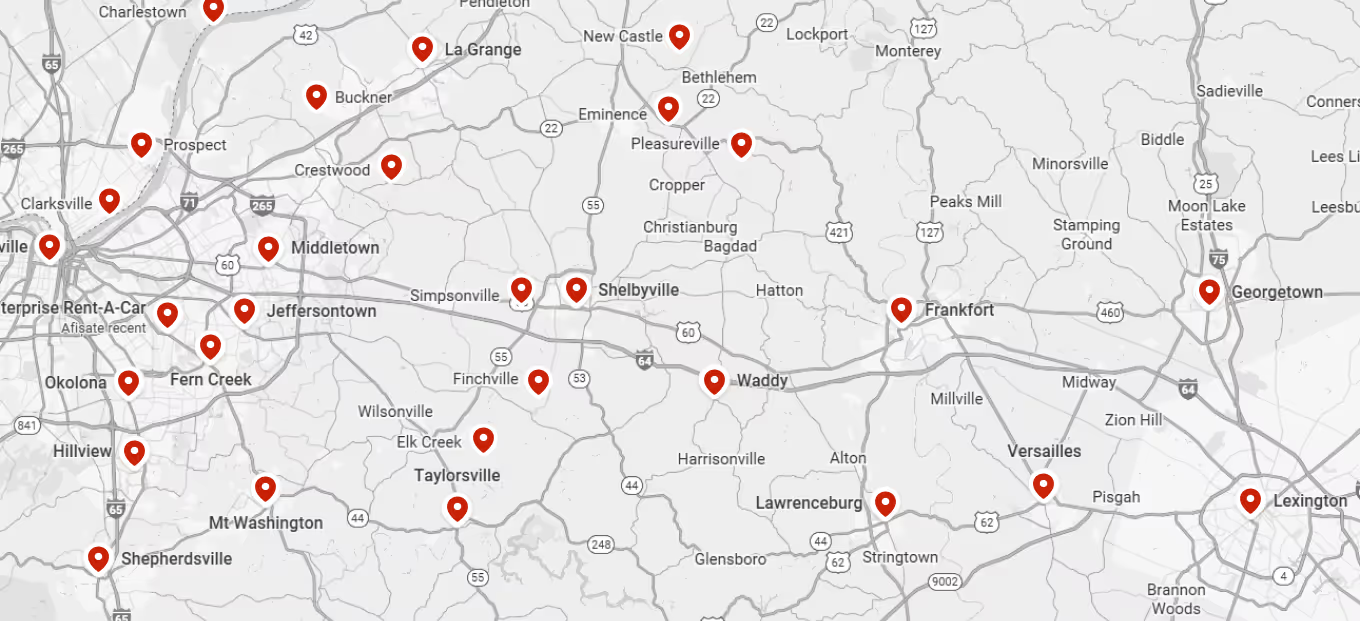
Working with 3D Heating and Cooling means you benefit from our deep local expertise and fast response times to address urgent heating failures right here in the Taylorsville area. We understand the specific climate challenges your equipment faces. If you are unsure whether your neighborhood falls within our rapid-response radius, you can easily verify our local service areas to ensure we can get to your home when you need us most.
Frequently Asked Questions About Furnace Smells and Safety
Before diving into the most common questions homeowners ask during the winter transition, it is worth noting that different types of equipment behave differently. For example, if your home utilizes heat pump services rather than a traditional gas furnace, your system does not use a combustion heat exchanger. While heat pumps can still collect dust on their heating coils, the startup odors are generally much milder. For traditional furnaces, however, the rules remain strict. Here are the clear, factual answers you need to stay safe.
Why does my heater smell like it's burning?
Your heater smells like it is burning because it is incinerating a layer of household dust that settled on the heat exchanger over the summer. When the furnace burners ignite for the first time, the extreme heat instantly burns off pet dander, lint, and dirt. This is a normal, mechanical reality of dormant systems waking up for the winter. As long as the smell resembles dusty, warm air, it is part of the standard seasonal transition.
How long does the burning smell last when you turn on the heater?
The normal burning dust smell will last for a strict 15 to 30 minutes of expected odor duration. It should peak in intensity within the first ten minutes and rapidly fade as the system completes a few full air cycles. If the odor persists beyond 30 minutes, or if it grows stronger after half an hour of continuous operation, you should shut the system down and contact a professional to investigate.
Is it safe to run a furnace if it smells like burning?
Yes, it is generally safe to run the furnace if the odor is strictly the standard dust burn-off and it remains within the 30-minute time limit. However, it is absolutely not safe to run the furnace if the smell resembles electrical ozone, melting plastic, or sulfur. If you are ever in doubt about the nature of the smell, the safest action is to turn the thermostat off and wait for an expert evaluation.
What furnace smells are dangerous?
Dangerous furnace smells include the sharp tang of electrical ozone, the toxic scent of melting wire casings or rubber, and the distinct rotten egg odor of a natural gas leak. These scents indicate overheating blower motors, failing capacitors, or severe fuel leaks. If you detect any of these odors, initiate immediate shutdown protocols, evacuate the home if you smell gas, and call for emergency repair services.
Can high summer humidity make the winter furnace smell worse?
Yes, high summer humidity can make the winter furnace smell noticeably worse during the first startup. Moisture in the air binds airborne dust and particulates to the cold metal components of your dormant HVAC system, creating a sticky, caked-on layer of grime. When winter arrives, the furnace has to burn through a thicker, more stubborn layer of dust, resulting in a stronger temporary odor.
Should I open windows during the initial furnace startup?
Yes, it is a great idea to open a few windows to ventilate the harmless dust odor during your initial startup. Creating cross-ventilation helps clear the indoor air much faster during that initial 30-minute window, preventing the smell from lingering in fabrics or furniture. Just remember to close the windows once the smell has dissipated so your heating system doesn't have to overwork to warm the house.
Making the Right Call for Your Home's Winter Readiness
Knowing the clear, time-bound criteria for normal versus abnormal smells gives you the ultimate peace of mind as the temperatures drop. When you understand that 15 to 30 minutes of expected odor duration is perfectly normal for a dusty heat exchanger, you can confidently monitor your system without unnecessary stress. However, you should never gamble with your home's safety. If the odor falls into the dangerous category of melting plastic or electrical ozone, or if a standard dust smell simply refuses to go away, taking swift action is your best defense.
If you are facing a persistent odor or just want the reassurance of a professional safety check before winter hits hard, reviewing a guide on choosing a local HVAC company can help you make an informed decision. Do not wait until a minor mechanical issue becomes a freezing midnight emergency. Reach out to a local expert today to ensure your heating system is operating safely, efficiently, and reliably for the season ahead.
Financing

Now Offering Financing Options with Affordable Monthly Payments
where we operate
Service Areas
Proudly serving Spencer county, Jefferson county, Bullitt county, and the surrounding areas
Short Heading Goes Here
Sed iaculis aenean sit sed risus arcu vitae integer elit.