
.svg)


.avif)



5 min read
HVAC Near Me: Comparing Heat Pumps vs. Gas Furnaces Before Winter
Facing a Heating Startup Failure? It's Time to Weigh Your Replacement Options
Your thermostat clicks on, but instead of the warm, comforting airflow you expect, you are met with cold air and strange noises—a frustrating reality that makes options comparisons for homeowners an absolute necessity. Discovering a mid-fall heating startup failure is incredibly stressful, especially when temperatures are already beginning to drop across the region. When you turn on your system for the first time in October only to find it underperforming or completely broken, you are suddenly faced with a major financial and logistical decision. At 3D Heating and Cooling, we know firsthand that homeowners searching for an "hvac near me" need a reliable local expert to help evaluate replacement systems quickly and accurately, rather than just a temporary patch for a dying unit.
If you need immediate help evaluating your system, reach out for local HVAC services or schedule professional heating services today.
This critical pre-winter window is the absolute best time to objectively compare system types before freezing temperatures arrive. Rushing a replacement decision in the middle of a January blizzard often leads to installing whatever is available on the truck, rather than what is best for your home's layout and energy goals. By taking the time now to understand the mechanical differences between heat pumps and gas furnaces, you position yourself to make a long-term investment that maximizes comfort and minimizes energy waste.
The Catalyst for Replacement: Recognizing Critical System Failures in October
The transition from cooling to heating places immense stress on aging HVAC systems. Throughout the summer, the indoor blower motor works tirelessly to circulate conditioned air, but the heating components sit dormant. When autumn arrives and those heating elements are suddenly fired up, the thermal expansion and mechanical strain can push older parts past their breaking point. This is why a mid-fall heating startup is the most common time for homeowners to discover that their aging system is no longer viable.
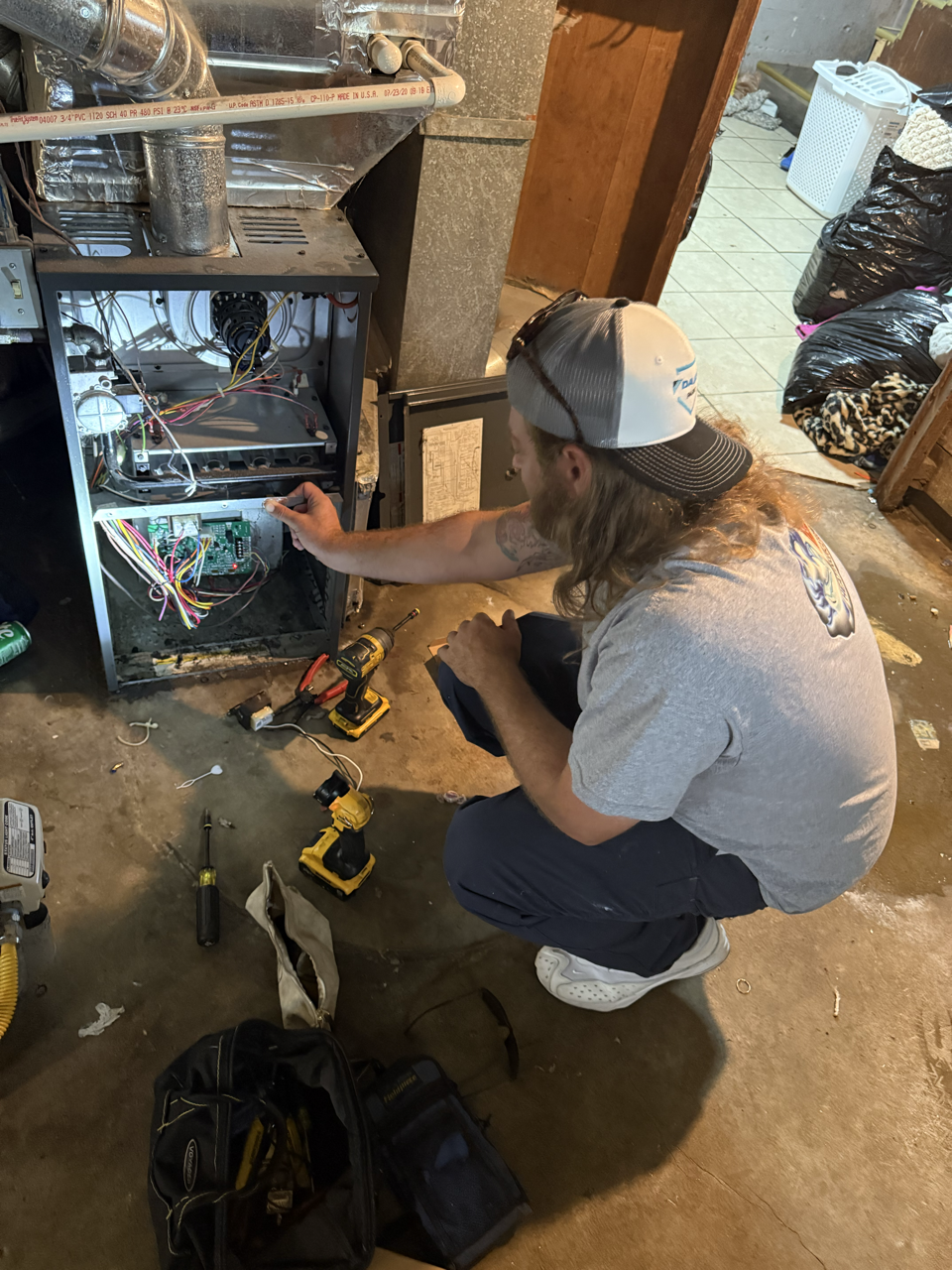
Our technicians at 3D Heating and Cooling see this pattern every October. Just last fall, our team responded to a Taylorsville homeowner whose cracked heat exchanger triggered their carbon monoxide detectors. Our crew arrived within an hour to remove the dangerous, aging machine and safely install a brand new furnace and AC. This type of severe mechanical failure highlights why certain issues cannot simply be repaired. A cracked heat exchanger poses an immediate safety risk and necessitates a full system replacement.
Safety Risks of Aging Furnaces
Understanding the safety implications of an aging furnace is critical for protecting your household. As metal heat exchangers heat up and cool down thousands of times over their lifespan, the metal fatigues.
• Carbon monoxide exposure: A crack in the heat exchanger allows combustion gases, including deadly carbon monoxide, to mix with the clean air being blown into your living spaces.
• Irreparable structural damage: Unlike a faulty capacitor or a worn blower belt, a cracked heat exchanger cannot be safely welded or patched. The structural integrity is permanently compromised.
• Fire hazards: Compromised burners, failing gas valves, and degraded electrical connections increase the risk of electrical shorts or uncontrolled combustion.
Consulting an objective professional ensures you address these failures before the deep winter freeze sets in. An expert will evaluate your home's specific layout and ductwork to recommend the correct sizing and system type, ensuring your new equipment operates safely and efficiently.
Understanding the Mechanics: How Heat Pumps and Gas Furnaces Operate
To make an informed decision, we always tell our customers that they must understand the core mechanics of how these two primary heating systems operate. They achieve the same goal—warming your home—but use entirely different methods to get there.
The Gas Furnace: Heat Generation
A gas furnace operates on the principle of combustion. When the thermostat calls for heat, the system opens a gas valve, delivering natural gas or propane to the burners. An igniter lights the fuel, creating a controlled fire inside the heat exchanger. The blower motor then pulls cold air from your home through the return ducts, pushes it over the hot exterior of the heat exchanger, and distributes the newly warmed air throughout your house. The toxic combustion byproducts are safely vented outside through a flue pipe. This method generates high-temperature heat rapidly.
The Air Source Heat Pump: Heat Transfer
An air source heat pump does not generate heat by burning fuel; instead, it transfers heat from one place to another using electricity and refrigerant. Even in cold weather, ambient heat exists in the outdoor air. The heat pump's outdoor unit uses a compressor and liquid refrigerant to absorb this ambient heat. The heated refrigerant is then pumped to the indoor coil, where the blower motor passes air over it, warming your home. In the summer, a reversing valve switches the flow, allowing the system to pull heat out of your home and act exactly like an air conditioner.
• Primary Method — Gas Furnace: Combustion (Heat Generation) — Air Source Heat Pump: Refrigerant Cycle (Heat Transfer)
• Energy Source — Gas Furnace: Natural Gas or Propane — Air Source Heat Pump: Electricity
• Air Temperature — Gas Furnace: Produces very hot air (120°F+) — Air Source Heat Pump: Produces warm, steady air (90°F - 100°F)
• Summer Operation — Gas Furnace: Heating only (requires separate AC) — Air Source Heat Pump: Reverses cycle to provide full cooling
For certain structural setups, a dual-fuel system offers a hybrid alternative. This configuration pairs an electric heat pump with a gas furnace instead of a standard air handler. The heat pump handles the heating during mild fall weather, and the system automatically switches to the gas furnace when temperatures drop too low for the heat pump to operate efficiently.
Decoding Efficiency Ratings: The Difference Between AFUE and HSPF
When comparing replacement options, understanding the standard efficiency metrics is vital. Equipment specification sheets are filled with acronyms, but focusing on AFUE and HSPF efficiency ratings will tell you exactly how well a system converts energy into comfort.
AFUE (Annual Fuel Utilization Efficiency)
AFUE is the standard measurement for gas furnaces. It represents the percentage of fuel the furnace successfully converts into usable heat over a typical year. For example, a furnace with a 95% AFUE rating turns 95% of the gas it consumes into heat for your home, while the remaining 5% escapes through the exhaust flue as waste. The higher the AFUE rating, the less fuel you waste. Modern high-efficiency furnaces achieve AFUE ratings between 90% and 98%, utilizing secondary heat exchangers to capture almost all available thermal energy.
HSPF (Heating Seasonal Performance Factor)
HSPF measures the efficiency of an air source heat pump during the heating season. It is calculated by dividing the total space heating required during the season (measured in BTUs) by the total electricity consumed by the heat pump (measured in watt-hours). A higher HSPF rating indicates greater mechanical efficiency and lower electrical waste. Upgrading to a unit with a high HSPF rating means the compressor and fans are designed to extract ambient heat using minimal power.
Homeowners should always look for these specific ratings on equipment specification sheets when comparing models. Higher ratings in both metrics indicate superior engineering, quieter operation, and better long-term reliability.


Climate Considerations: Navigating Below-Freezing Temperatures
Regional weather patterns dictate which heating system will perform best in your home. The local transition from hot, humid summers into cold, freezing winters puts unique demands on HVAC equipment. Sizing a system based strictly on square footage without accounting for regional temperature drops will lead to premature mechanical failure.
In our years of providing heating solutions across Taylorsville and the surrounding areas, we consistently see how winter lows that frequently dip below freezing test traditional heat pumps. This 32°F mark is a critical threshold. As outdoor temperatures fall, there is less ambient heat available in the air for the refrigerant to absorb. Furthermore, moisture in the cold air can freeze on the outdoor coil. To combat this, heat pumps initiate a defrost cycle, temporarily reversing flow to melt the ice, while engaging electric auxiliary heating strips to keep the home warm. These auxiliary strips use significantly more electricity than the compressor.
Gas furnaces, by contrast, provide consistent, high-temperature heat regardless of the outdoor weather conditions. Because they generate their own heat through combustion, a gas furnace will deliver the same 120°F air to your vents whether it is 40°F or 5°F outside. This makes them exceptionally reliable during deep winter freezes.
Proper system sizing based on local climate demands prevents excessive wear on the compressor or blower. If you are looking for HVAC services in Elizabethtown, ensuring your system is correctly matched to the region's specific winter load is the only way to guarantee long-lasting performance.
Leveraging Generic Tax Credits and Energy Incentives
Upgrading your home's heating infrastructure is a major undertaking, but government and local utility programs often help offset the initial investment. By choosing high-efficiency equipment, homeowners may become eligible for various generic financial incentives.
Upgrading to high-efficiency heat pumps or qualifying gas furnaces may make you eligible for generic federal tax credits designed to promote energy conservation. These programs reward homeowners who install systems that meet strict energy guidelines. Additionally, local utility companies frequently provide rebate programs for energy-efficient HVAC installations to reduce the overall strain on the regional power grid during peak winter months.
Navigating Incentive Requirements
These incentives are tied directly to the AFUE and HSPF efficiency ratings discussed earlier. A standard-efficiency builder-grade unit will almost never qualify for these programs. To take advantage of these opportunities, you must document the specific model numbers and AHRI (Air-Conditioning, Heating, and Refrigeration Institute) certificates provided by your installation contractor.
Because program requirements, eligibility criteria, and available funds change frequently, it is imperative to consult with a tax professional or your local utility provider to verify current guidelines before committing to a specific system. Our local installation team provides the exact efficiency ratings you need to check your eligibility.
Why 24/7 Availability Matters When Choosing an HVAC Contractor
Connecting the choice of heating system to the contractor you hire is just as important as the equipment itself. Even top-tier, high-efficiency systems require precise calibration during installation. Dealing with complex heat pump refrigerant lines requires pulling deep vacuums and ensuring exact charge levels, while furnace installations require flawless venting and gas pressure adjustments.
During a severe snowstorm last winter, our 3D Heating and Cooling emergency response team deployed to a local customer who needed a new heat pump installed immediately. Our technicians arrived promptly despite the extreme weather to cleanly install the new system and restore the home's heating. This level of dedication highlights that newly installed systems might need minor adjustments during the first major winter snowstorm or deep freeze. A contractor's commitment to 24/7 emergency availability is just as critical as the mechanical specifications of the unit itself.
The Value of Local Expertise
Choosing a local contractor offers distinct advantages over national chains:
• Regional code compliance: Local experts understand regional building codes, permit requirements, and specific climate challenges.
• Rapid response times: Prompt response times during severe winter weather prevent home damage, such as frozen pipes, and keep families safe.
• Unwavering accountability: 3D Heating and Cooling's commitment to high-quality solutions and 24/7 emergency availability ensures you are never left in the cold after an installation.
Whether you need urgent repairs or Crestwood cooling and heating support, the peace of mind that comes from knowing a local team is ready to deploy in extreme weather conditions is invaluable.
Partnering with a Reliable Heating and Cooling Expert on Options Comparisons for Homeowners
Choosing between a heat pump and a gas furnace ultimately comes down to understanding efficiency ratings, evaluating your local climate needs, and assessing your home's existing infrastructure. A mid-fall heating startup failure is the clear signal that it is time to stop repairing failing equipment and start looking toward a reliable replacement.
At 3D Heating and Cooling, our goal is to guide you through the technical specifications objectively, ensuring you understand exactly what you are investing in. We will help you navigate the complexities of AFUE and HSPF ratings, explain how defrost cycles work, and ensure your new system is sized perfectly for your home. If you want to know what Taylorsville residents should look for in an HVAC company, prioritize technical expertise, objective advice, and a commitment to round-the-clock support.
Do not wait for a complete breakdown in the middle of a January freeze. Reach out to our trusted professionals today to evaluate your failing heating system and finalize your options comparisons for homeowners. A clear, technical, and accessible comparison empowers you to make an informed replacement decision that will keep your home comfortable for years to come.
Frequently Asked Questions
What is the difference between AFUE and HSPF?
AFUE measures the efficiency of gas furnaces, while HSPF measures the efficiency of air source heat pumps. AFUE stands for Annual Fuel Utilization Efficiency and is represented as a percentage of fuel converted to heat. HSPF stands for Heating Seasonal Performance Factor and calculates the total heating output divided by the electricity consumed.
How do I choose between a heat pump and a furnace?
Choosing between the two depends on your local climate, existing ductwork, and access to natural gas. Heat pumps are highly efficient for moderate climates and provide both heating and cooling from one unit. Gas furnaces are generally preferred in regions with prolonged, deep-freezing temperatures because they produce consistent, high-temperature heat.
Is a heat pump better than a gas furnace?
Neither system is universally better; it depends entirely on your home's specific requirements. Heat pumps offer incredible energy efficiency and the convenience of dual heating and cooling capabilities. Gas furnaces excel at rapidly heating a space and maintaining comfort during extreme winter weather.
At what temperature does a heat pump become inefficient?
Traditional heat pumps begin to lose efficiency as temperatures drop below freezing (32°F). At this point, there is less ambient heat to transfer, and the system must rely on electric auxiliary heating strips to maintain indoor temperatures. However, modern cold-climate heat pumps are engineered to operate efficiently at much lower temperatures.
Should I replace my furnace with a heat pump?
Replacing a furnace with a heat pump is an excellent choice if you want to improve overall energy efficiency and eliminate reliance on fossil fuels. It is especially beneficial if your air conditioner also needs replacing, as the heat pump handles both tasks. Consult a professional to ensure your home's electrical panel can support the new system.
How do mid-fall heating startup tests prevent winter breakdowns?
Testing your heating system in October allows you to identify failing components before you rely on the system daily. It gives technicians time to diagnose cracked heat exchangers, failing blower motors, or low refrigerant levels. Addressing these issues early prevents emergency outages during severe winter weather when contractors are busiest.
Financing

Now Offering Financing Options with Affordable Monthly Payments
where we operate
Service Areas
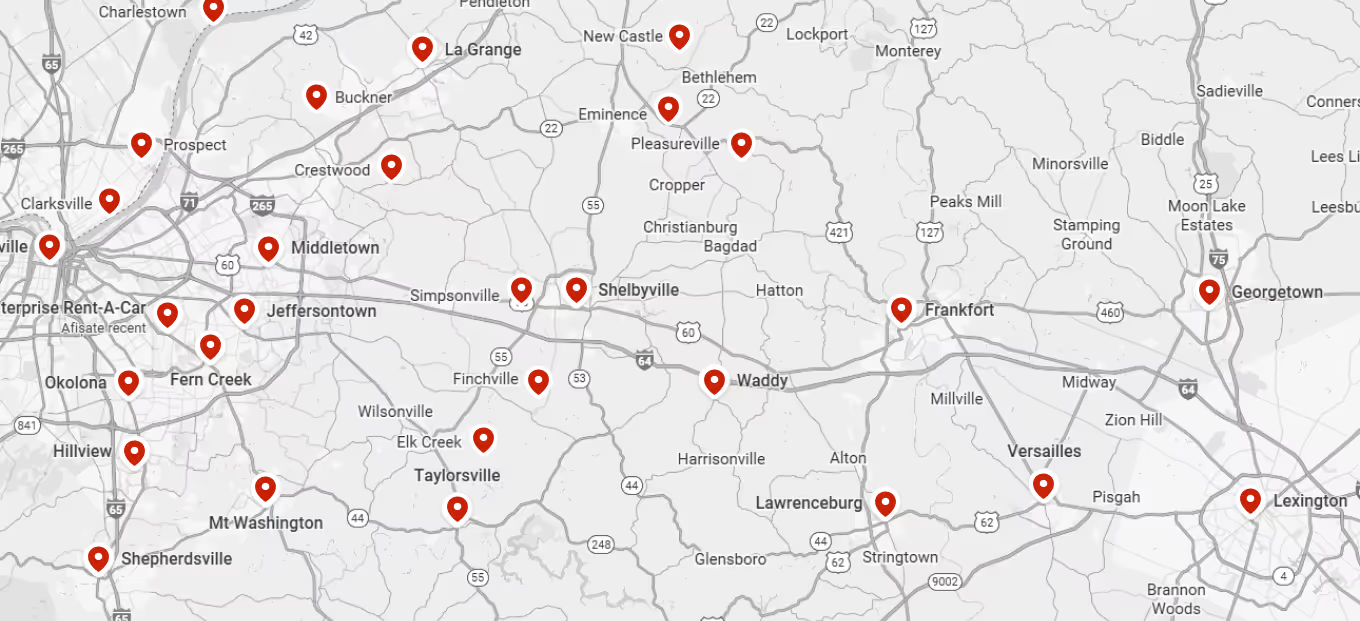
Proudly serving Spencer county, Jefferson county, Bullitt county, and the surrounding areas
Short Heading Goes Here
Sed iaculis aenean sit sed risus arcu vitae integer elit.