



5 min read
Searching for an HVAC Near Me: Is That November Burning Dust Smell Normal?
That First Cold Snap: Why Turning on the Heat Causes Alarm
When folks call us looking for common homeowner questions answered about their heating systems, the most urgent one usually hits during that first cold snap: why does your house suddenly smell like it is on fire? You wake up to a freezing house, bump the thermostat up for the first time this season, and within ten minutes, a distinct, alarming burning odor fills the hallway. It is a jarring experience that immediately sends you into a panic, wondering if you need to evacuate your family or grab a fire extinguisher.
This situation presents a crucial decision point for any homeowner. You have to determine whether this smell is a harmless seasonal event or a dangerous mechanical failure that puts your property at risk. In our years serving the Taylorsville KY area, we see this November first cold snap anxiety all the time, and it usually stems from simply not knowing what is happening inside your ductwork.
Finding reliable local HVAC services is crucial when you aren't sure if your system is safe to run. You should never have to guess when it comes to the safety of your home's heating equipment. Fortunately, by understanding a few key indicators we share with our customers, you can safely evaluate your heating repair and installation needs without the stress.
The Physics of the Fall Startup: Why Dust Accumulates
To understand why your furnace smells like it is burning, you have to look at what your heating system has been doing for the last six months: absolutely nothing. While your air conditioner was working overtime to keep you cool, the heating components inside your unit were sitting completely dormant in the dark.
Your furnace contains a component called a heat exchanger, which consists of a series of metal coils or tubes. When you turn on your heat, burners ignite gas (or electrical resistance coils heat up) to warm this metal. However, during the long cooling season, this cold, inactive metal acts as a magnet for household particulates. Pet dander, dead skin cells, cooking oils, and everyday dirt circulate through your home and settle directly onto these heating elements.
The moment you activate your system during that November first cold snap, those dormant metal components rapidly heat up to hundreds of degrees. The alarming smell you notice is quite literally the incineration of this settled dust layer. It is a standard physical reaction, not necessarily a sign of system failure. The dust is flashing off the hot metal and blowing through your vents, carrying that distinct, dry, campfire-like scent into your living spaces.
How Dormancy Leads to Dust Buildup
You might wonder why dust gets into your furnace cabinet if you diligently change your air filters. The reality is that no filter catches 100% of microscopic debris. Here is how that buildup happens:
• Airflow dynamics: Airflow changes during the summer months allow fine debris to bypass standard filters and settle deep within the cabinet.
• Microscopic bypass: Standard fiberglass filters are designed to catch large particles to protect the blower motor, not to scrub the air of microscopic dust.
• Massive surface area: The physical surface area of heating components provides ample space for particulate accumulation over several months of inactivity.
• Static cling: The constant movement of air through the cabinet during the summer creates a static charge that actively draws fine dust to the metal heat exchanger.
The 30-to-60 Minute Rule for Normal Heater Odors
Knowing that dust burn-off is a normal physical reaction is helpful, but you still need a concrete way to measure whether your specific situation is safe. At 3D Heating and Cooling, our technicians rely on a clear, actionable metric to help Taylorsville KY area homeowners evaluate their systems: the 30-to-60 minute rule.
This rule defines the standard duration for harmless dust burn-off. When you start your heating system for the first time in the fall, the odor should be temporary. Here is how to safely monitor your system during this critical window:
1. Note the exact time: The moment you smell the burning dust, look at the clock. Do not guess how long it has been running.
2. Monitor the intensity: Pay close attention to the strength of the smell. A normal dust burn-off will peak within the first ten minutes and then steadily decrease in intensity. It should never get stronger as time goes on.
3. Ensure proper ventilation: Open a few windows or doors to allow fresh air to circulate through your home during this initial hour of operation. This helps clear the incinerated dust particles and makes it easier to tell if the smell is actually fading.
4. Listen for normal operation: While you monitor the smell, listen to the system. You should hear the steady hum of the blower motor and the rush of air, without any grinding, screeching, or banging noises.
5. Enforce the time limit: If the smell persists beyond the 60-minute mark, or if it suddenly changes character and becomes more pungent, the system should be turned off immediately at the thermostat.
Sticking strictly to this 60-minute maximum prevents you from accidentally ignoring a real mechanical problem that might be masking itself as a routine seasonal startup issue.
Red Flag Smells: Electrical, Plastic, and When to Worry
While a dry, dusty burning smell is usually harmless, our team frequently warns customers about specific odors that indicate a severe mechanical or electrical failure. Differentiating harmless dust from dangerous odors is critical for protecting your home during that November first cold snap.
If you smell something that reminds you of a melted spatula in the dishwasher, you are likely dealing with burning plastic. This acrid, harsh smell usually indicates melting wire casings inside the cabinet or a foreign plastic object that has somehow fallen into your ductwork and is resting against a hot heating element. This is never a normal startup odor and requires immediate action.
Similarly, a sharp, metallic, or ozone-like odor—similar to the smell of a sparking toy train or an overheated power tool—is a massive red flag. This specific scent is strongly associated with failing blower motors, burnt-out capacitors, or active electrical shorts within the control board. Continuing to run a system that produces these smells can lead to catastrophic equipment damage or a house fire.
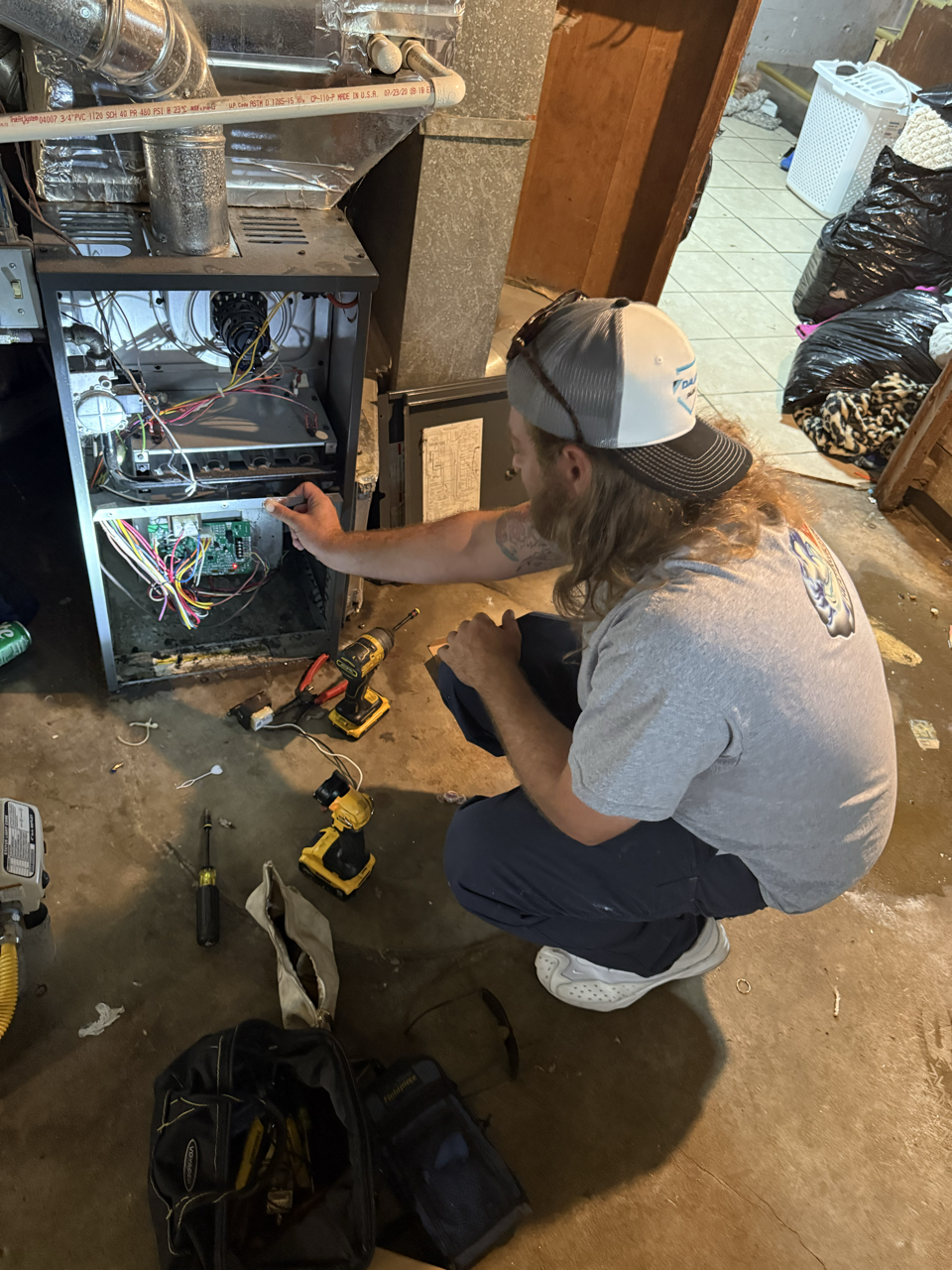
If you encounter either of these odors, you must initiate an immediate system shutdown at the thermostat. Do not wait to see if it clears up. Furthermore, strictly avoid any DIY cabinet removal or electrical inspection. Opening a furnace cabinet involves interacting with high-voltage electricity and combustible gases; these are tasks exclusively for a licensed professional who is trained in troubleshooting your furnace when it fails.
Common Warning Odors and Their Likely Causes
• Electrical/Ozone: Often points to a stressed blower motor, a failing capacitor, or a short circuit on the main control board.
• Burning Plastic: Usually indicates melting wire casings near the heat exchanger or foreign objects trapped in the ductwork.
• Sulfur or Rotten Eggs: This is the chemical odorant added to natural gas. It indicates an active gas leak and requires immediate evacuation of the home.
• Gunpowder: A distinct gunpowder scent can indicate a fried circuit board or a severe fan motor burnout.

Invisible Threats: Cracked Heat Exchangers and Carbon Monoxide
While burning dust and melting plastic provide obvious olfactory warnings, the most dangerous heating failure often doesn't smell like anything at all. A cracked heat exchanger is a severe structural failure that allows toxic combustion gases to mix directly with the clean air being blown into your living spaces.
Because carbon monoxide (CO) is completely odorless, colorless, and tasteless, you cannot rely on your nose to detect a cracked heat exchanger. This is why having functional, properly placed carbon monoxide detectors is non-negotiable for any home with a gas or oil-burning furnace. These detectors act as your only line of defense against a silent, deadly threat.
A sudden CO alarm during the fall startup is a life-safety emergency requiring immediate evacuation. Our team recently helped a local homeowner in the Taylorsville KY area who experienced this exact terrifying scenario just before the holidays. Their carbon monoxide detectors kept going off due to a cracked heat exchanger. We dispatched technicians within an hour to safely remove the compromised machine and install a brand-new furnace and AC system. Because they acted quickly on the alarm rather than assuming it was a glitch, they prevented a major tragedy and secured a safe, reliable replacement.
Older heating systems are particularly vulnerable to structural stress cracks. Years of expanding when hot and contracting when cold eventually cause the metal of the heat exchanger to fatigue and split. If your system is over ten years old, professional inspection of this critical component is absolutely vital before the heavy winter usage begins.
How Kentucky's Humid Summers Impact Your Fall HVAC Startup
The burning dust phenomenon happens everywhere, but regional climate factors can make it significantly worse. In our extensive experience servicing systems in the Taylorsville KY area, we notice our customers often experience a much more intense fall startup odor than people living in drier western states, and the reason comes down to our summer weather.
High summer humidity causes airborne particulates to become sticky. When humid air is pulled into your ductwork and passes over the dormant, cold metal of your furnace, the moisture helps the dust adhere strongly to the internal components. Instead of resting lightly on the surface, the dust essentially bakes onto the heat exchanger in a stubborn, sticky layer.
In a dry climate, a lot of loose dust might simply blow harmlessly through the system and out the vents before the metal gets hot enough to burn it. However, the baked-on, humid-climate dust in Kentucky cannot be easily dislodged by airflow alone. It stays firmly attached to the metal until it is subjected to winter heating temperatures, creating a much more intense, distinct odor when it finally incinerates.
Because this regional factor creates such a stubborn layer of debris, proactive cleaning becomes even more critical. You cannot rely on the blower motor to clear out sticky, humidity-baked dust; it has to be physically removed before the heating season begins.
Preventing Startup Odors with Proactive Care
The best way to deal with the anxiety of a burning smell during the November first cold snap is to ensure it never happens in the first place. You do not have to just accept that your house will smell like a campfire every fall. A thorough pre-season cleaning removes the accumulated dust from the heat exchanger before it ever has a chance to burn.
When you schedule professional maintenance before the cold weather hits, a technician physically cleans the internal components, removing the sticky, baked-on dust. More importantly, they check for electrical wear, test the blower motor, and verify the structural integrity of the heat exchanger using specialized cameras. If an upgrade is needed, federal tax credits or utility incentive programs may apply to qualifying high-efficiency installations (always verify current programs with your utility or tax professional). This comprehensive approach means that when you finally turn the thermostat to "heat," you get warm, clean air without the alarming odors.
Routine care prevents the panic of emergency shutdowns during the first freezing night of the year. Instead of waiting for a system failure to prompt a service call, our team at 3D Heating and Cooling offers reliable solutions to keep your system running smoothly. Enrolling in a structured HVAC maintenance plan provides year-round peace of mind, ensuring that both your cooling and heating systems are professionally prepped, cleaned, and safety-checked long before you actually need them.
What to Look for When Vetting a Local Heating Professional
If your system fails the 30-to-60 minute test, or if you detect red-flag electrical smells, you need to bring in an expert immediately. However, not all contractors provide the same level of service. When you are searching for answers to your heating problems, you need to know how to choose a reliable contractor who will prioritize your safety over a quick sale.
You should look beyond generic search results and prioritize verified local expertise. A trustworthy company will have a proven track record of handling urgent situations efficiently. Here is a checklist of what to prioritize when vetting a heating professional:
• Rapid response times: Breakdowns rarely happen on a convenient Tuesday afternoon. You need a team that responds quickly, especially during holiday breakdowns or severe weather events.
• Clear communication: A reputable technician will clearly explain their diagnostic steps, show you the failed components, and offer transparent, budget-friendly options before beginning any work.
• Local knowledge: Emphasize the value of a company that deeply understands the specific needs of local service areas, including how the regional climate impacts equipment wear and tear.
• Verified reputation: Look for a strong local reputation as the benchmark for what homeowners should expect from a trusted provider.
Having a reliable partner makes all the difference during a crisis. For example, our 3D Heating and Cooling team recently rescued a local family when their 27-year-old heating system failed in the middle of Thanksgiving evening. Our technician arrived promptly in the Taylorsville KY area, explained all the available options, and provided a high-quality installation of a brand-new system right when the family needed it most. That is the level of dedication you should demand from your HVAC provider.
Frequently Asked Questions
Is it normal for a heater to smell like burning dust?
Yes, a burning dust smell is entirely normal the first time you run your heater in the fall. Over the summer, dust and debris settle on the dormant heat exchanger inside your furnace. When the system turns on and heats up, it incinerates that layer of dust, blowing a dry, burning scent through your vents. As long as the smell fades quickly, it is a standard physical reaction.
How long does the burning smell last when you turn on the heat?
The normal burning dust smell should dissipate within 30 to 60 minutes of continuous operation. The odor will typically peak in the first ten minutes and then steadily decrease in intensity. If the smell lasts longer than an hour, or if it grows stronger instead of fading, you should turn the system off and contact a professional.
When should I worry about a furnace smell?
You should worry if your furnace smells like burning plastic, melting wires, or sharp electrical ozone. These odors indicate a severe mechanical failure, such as a burnt-out motor or melting wire casings, rather than harmless dust. If you detect any of these acrid, chemical smells, shut the system down immediately at the thermostat to prevent further damage or a potential fire hazard.
Can a dirty furnace filter cause a burning smell?
Yes, a severely clogged furnace filter can cause a burning smell by restricting airflow and causing the blower motor to overheat. When the motor strains to pull air through a wall of dirt, its internal electrical components get dangerously hot, producing a metallic or electrical burning odor. Changing your filter regularly prevents this dangerous overheating and keeps your system running efficiently.
Is it safe to run my furnace if it smells like burning plastic?
No, it is never safe to run a furnace that smells like burning plastic. This odor means something inside the cabinet or ductwork is actively melting, which is a massive fire hazard and can release toxic fumes into your home. Turn the thermostat off immediately and do not attempt to open the cabinet yourself; call a licensed technician to safely diagnose the electrical or mechanical short.
What should I do if my carbon monoxide detector goes off when I turn on the heat?
If your carbon monoxide detector sounds, you must evacuate the home immediately and call emergency services or your utility provider. A CO alarm during a heating startup strongly points to a cracked heat exchanger or a blocked flue pipe, which allows lethal combustion gases to enter your living space. Never ignore a CO alarm, and do not re-enter the home until professionals have deemed it safe.
The bottom line: Dealing with a burning smell during the first cold snap doesn't have to be a guessing game. By understanding the 30-to-60 minute rule for normal dust burn-off and knowing how to identify dangerous electrical odors, you can keep your home safe and comfortable. Our team at 3D Heating and Cooling believes that prioritizing routine maintenance ensures you have clear, safe criteria to rely on, giving you total peace of mind when the winter weather finally arrives.
Financing

Now Offering Financing Options with Affordable Monthly Payments
where we operate
Service Areas
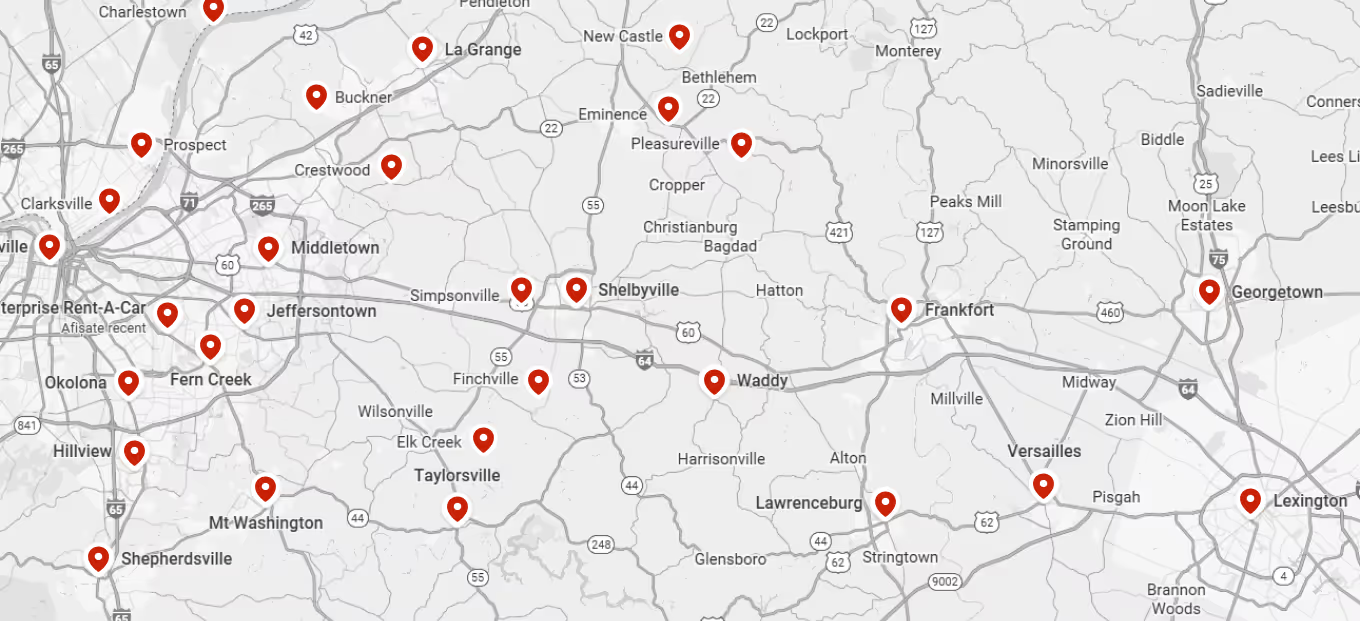
Proudly serving Spencer county, Jefferson county, Bullitt county, and the surrounding areas
Short Heading Goes Here
Sed iaculis aenean sit sed risus arcu vitae integer elit.

