Troubleshooting Your Furnace: A Practical Guide to Diagnose and Fix Common Heating Problems
A malfunctioning furnace, especially in the dead of winter, causes more than just discomfort—it creates significant stress and can even pose safety risks While understanding basic troubleshooting can empower you to quickly identify minor issues and potentially save on immediate repair costs, knowing when to call in the experts is paramount This comprehensive guide offers clear, actionable steps for diagnosing and repairing common heating problems, alongside crucial guidance on when to trust the professionals at 3D Heating and Cooling to restore your home's warmth and safety Contact Us for Immediate Service!
Understanding Your Furnace System: The Basics (And Why Expertise Matters)
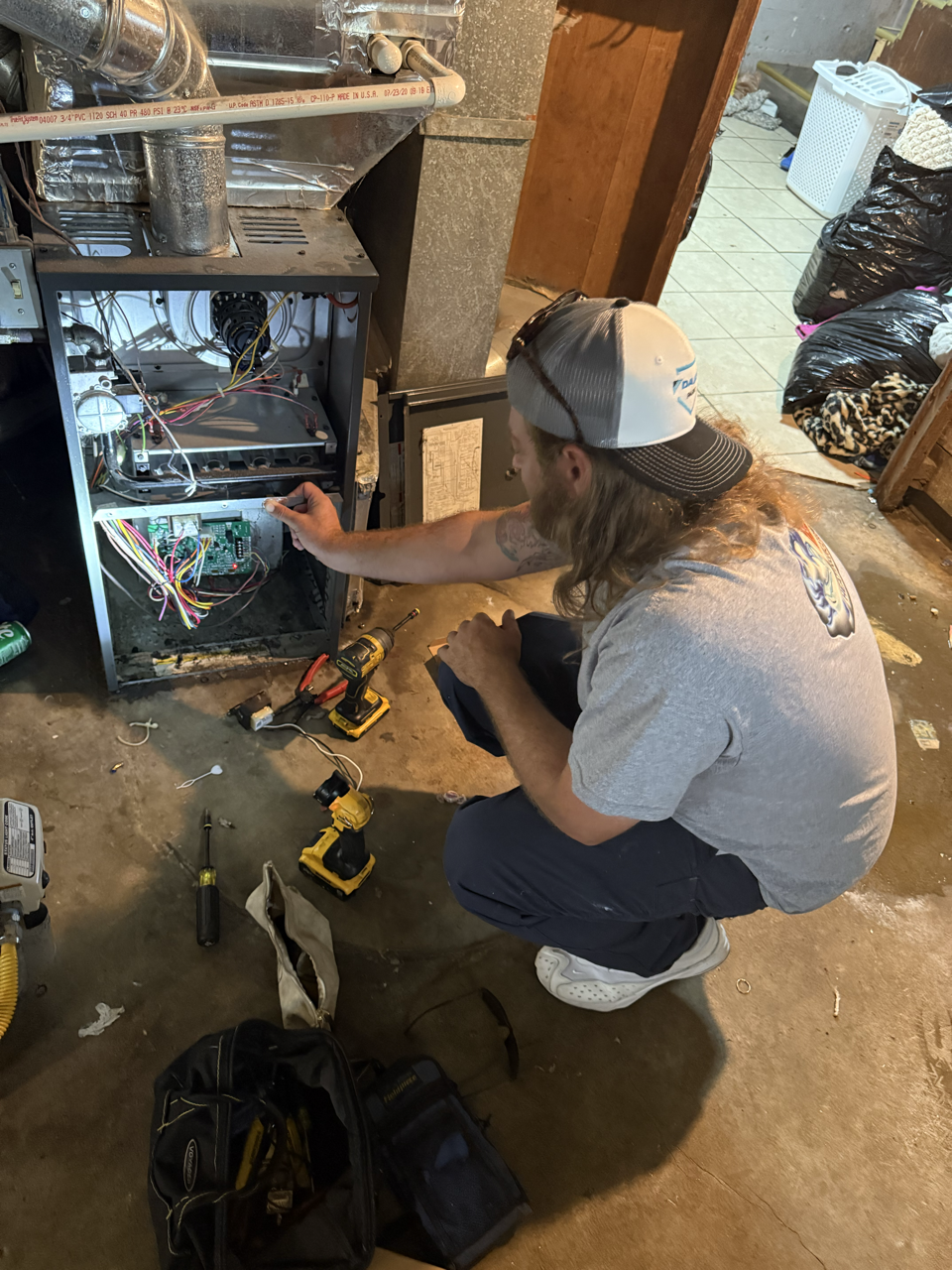
Your furnace is the heart of your home's heating system, a complex network designed to keep you warm and comfortable Key components like the thermostat, burners, heat exchanger, blower motor, flue pipe, and ignition system all work in harmony When even one element falters, your entire heating can be compromised While a basic understanding is helpful, remember that diagnosing and repairing these intricate systems often requires the specialized knowledge and tools that only a professional HVAC technician possesses.
Why Is My Furnace Not Blowing Hot Air Common Causes and Solutions
If your furnace is running but only circulating cool air, it's a clear sign of an issue within the heating cycle Common culprits range from simple thermostat misconfigurations to more serious ignition system problems Symptoms like unevenly heated rooms, unsettling noises (banging, rattling, squealing), and unexpectedly higher energy bills are all red flags Don't ignore these warnings – they could be costing you comfort and money!
How Can You Troubleshoot Thermostat and Pilot Light Issues?
Many problems have surprisingly simple fixes you can try before calling us:
• Verify Thermostat Settings: Double-check that your thermostat is correctly set to "Heat" mode and at least 5-10 degrees Fahrenheit above the current room temperature
Look for any "Hold" settings that might be overriding your schedule, or simply try replacing dead batteries.Check the Pilot Light: For older furnace models, ensure the pilot flame is consistently lit If it's out, carefully follow your manufacturer's relighting instructions However, if your pilot light repeatedly extinguishes, this indicates a deeper issue that requires the attention of a certified professional for your safety and peace of mind.
What Should I Do If My Furnace Is Not Turning On Step-by-Step Troubleshooting
A furnace that completely fails to start often points to an electrical or ignition system problem While some initial checks are safe for homeowners, always prioritize safety If you're unsure or uncomfortable, it's always best to call 3D Heating and Cooling – your safety is our top priority.
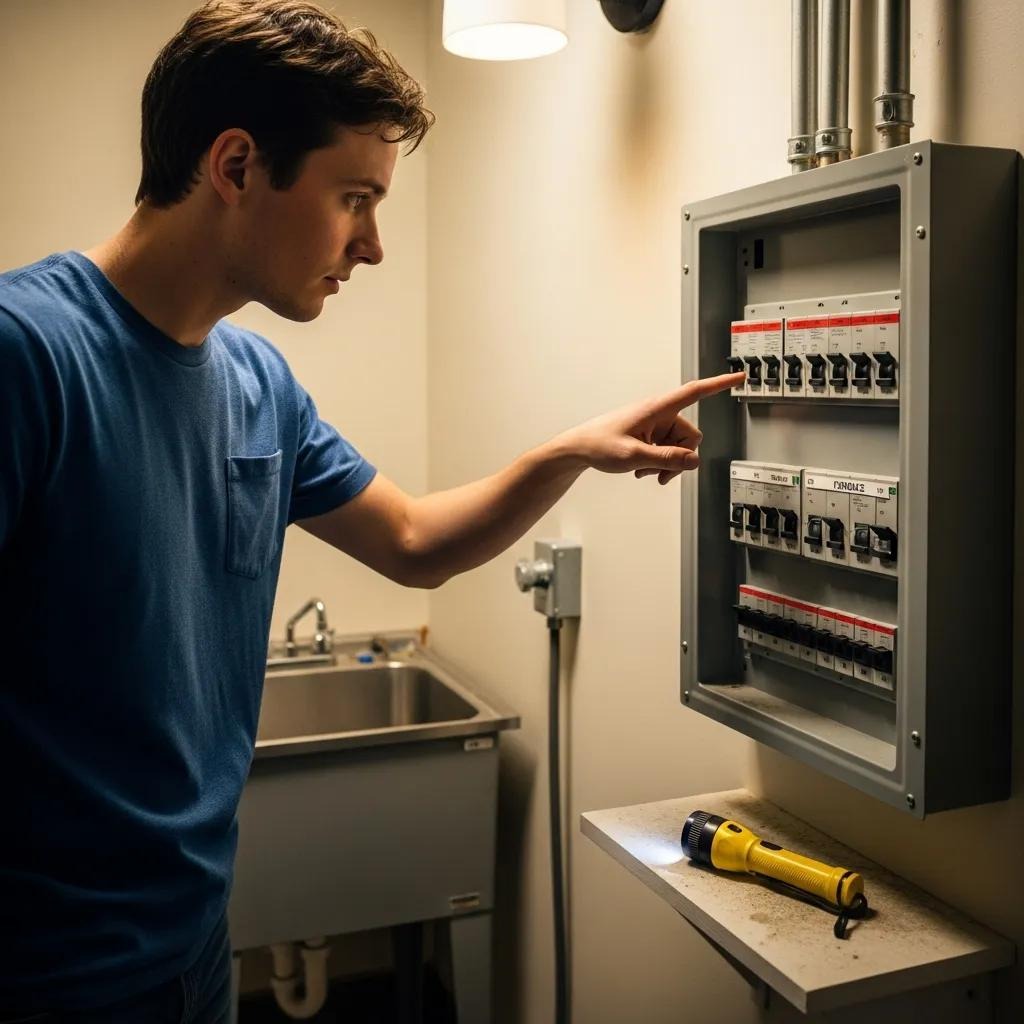
How to Check Power Supply and Circuit Breakers
• Check the Circuit Breaker: Head to your main electrical panel and locate the breaker specifically labeled for your furnace If it's tripped (usually halfway between "On" and "Off"), flip it completely off, then firmly back to the "On" position If it trips again immediately, this signals a serious electrical fault Do not attempt further intervention; call a professional immediately.
• Confirm the Power Switch: Ensure the dedicated power switch (often located on or near the furnace unit) is securely in the "On" position.
If power is confirmed but your furnace still refuses to ignite, the issue likely involves the igniter or gas valve These components are critical for safe operation and require professional expertise due to inherent safety risks Don't gamble with your family's safety – let our experts handle it.
How to Identify and Resolve Unusual Furnace Noises?
Your furnace shouldn't be a symphony of strange sounds
Unusual noises are often your system's way of crying for help Squealing typically means worn belts or motor bearings needing lubrication or replacement Grinding indicates serious motor issues that demand immediate attention Banging or popping can be harmless ductwork expansion, but it could also signal dangerous delayed ignition Clicking suggests igniter or gas valve problems Rattling points to loose components or debris A loud, persistent hum without full engagement could be an electrical issue Ignoring these sounds can lead to more extensive, costly repairs down the line.
When Should You Call a Professional for Noise Diagnosis?
Don't wait for a minor noise to become a major breakdown Call a 3D Heating and Cooling technician immediately for persistent loud noises, any strange odors (especially gas or burning smells), or repeated breakdowns These symptoms indicate serious underlying issues that require expert diagnosis and repair to ensure your system's safety, efficiency, and longevity Protect your investment and your peace of mind!
When Is Emergency Furnace Repair Necessary
testimonials
hear what our satisfied clients have to say
What an amazing company to work with. Timely and clear communication, fair prices, professionalism and honesty are all clear values for these guys. Appreciate the quick service and repair. They had us back up and running in no time at all. 3D is my new go-to!
Michael C.
Had Josh’s crew come out and did a complete change over the outdoor unit and the air handler in 6hrs. I thought it would have taken a couple of days but they knocked it out of the park. They also came back and ran a couple ducts for me. Thank you guys! Hope I don’t need y’all for a long time, but I’ll definitely send friends and family your way.
Jeff B.
When I was informed by a large company that I needed a New furnace, I found a small local company for a second opinion. I went with 3D Heating and Cooling. They came out promptly for a FREE second opinion, and quickly made the diagnosis. Not only did I Not need a New Furnace, they were able to fix my issue on the spot!
Leslie C.
Josh and his team were extremely responsive and quick when our AC suddenly went out. The 3D team presented multiple paths forward and was able to get our AC back up the next day. We are very appreciative of their service!
Sam L.
We had our compressor go out on us earlier in the week. We came across 3D heating and Cooling and got a response within minutes of reaching out to them even though it was after 10pm. After meeting with Zack and going over our options, he had two of his installers, Juwan and Bryant, out the same day. They were very knowledgeable and managed to complete the installation in about 2 hours. Overall very impressed with the company and every employee we had the pleasure of interacting with.
Nicholas H.
Had a new ac put on my house they did wonderful fairly priced and even went above and beyond and replace some old duct work I will def use them again thank you Josh
Jeff J.
Everything was so easy and professional. I signed the agreement one day and they did the job next day ! And I can't say enough about the polite young men that installed my unit. Thank you 3D .
Judy G.
Customer service is top notch! Josh and Zach have great communication with customers and do what they say they are going to do. They texted and called to keep me updated on the status of service. Fast turnaround for service as well! I have a new heating and air company that I know I can depend on! I highly recommend 3X Heating and Cooling for any a/c or heating needs!
Nancy B.
Zach was out to take a look at my 40 year old system within 2.5 hours of me reaching out yesterday, we discussed solutions last night, and he had my new unit installed by 5PM today.
All this while the inside of my house was 90 degrees during this more than week long heat wave. Couldn't be more thankful for the quick response and get it done mentality.
I'll recommend him and the team to all of my real estate clients going forward.
Weston F.
I give 3D a 5 star rating. Josh was the tech who repaired my AC. This guy is so polite, courteous, knowledgeable, friendly. You couldn't ask for a nicer person. He didn't give up until the unit was up and running. I would recommend 3D to anyone. Great job Josh.

.svg)


.avif)