



5 min read
Navigating the November Shift: Why Your Furnace Struggles During Sudden Temperature Drops
When the First Freeze Hits: Understanding Sudden Thermal Load
The transition into late fall often brings a harsh reality check for your home, especially when sudden temperature drops and furnace stress go hand in hand. As the November first hard freeze approaches, your heating equipment has likely been sitting idle for weeks during mild autumn afternoons. Then, a rapid 20-30 degree outdoor temperature drop forces the system to wake up and immediately run at maximum capacity. This drastic shift triggers a common homeowner panic: you hear the furnace running continuously, yet the house still feels chilly, and the thermostat never seems to reach your desired set point.
Looking for professional help right now? Learn more about our residential heating services or get immediate assistance with 24-hour furnace repair.
To understand what is happening in your utility closet, you have to look at the concept of sudden thermal load. In HVAC terms, thermal load refers to the amount of heating required to maintain a comfortable indoor temperature against the outdoor cold. When the weather drops gradually over several weeks, your system easily keeps pace with the slowly increasing thermal load. However, when a cold front plunges temperatures overnight, the thermal load spikes instantly. The house loses heat faster than the resting furnace can initially replace it, creating a massive temperature gap that the equipment must bridge.
This sudden demand forces your system into heavy, sustained operation. In our experience at 3D Heating and Cooling, the primary challenge for any homeowner during this initial freeze is distinguishing between normal system behavior and a true mechanical failure. A furnace that runs for hours to overcome a massive thermal deficit might be doing exactly what it was designed to do. Conversely, a system that turns on and off rapidly, makes strange noises, or blows lukewarm air is waving a red flag. Knowing the difference prevents unnecessary panic while ensuring you catch real equipment failures before winter fully sets in.
The Physics of Sudden Temperature Drops and Furnace Stress
Understanding why your heating system struggles requires looking at the raw physics of mechanical strain. Furnaces are sized based on regional design temperatures—the average historic extreme lows for your specific area. Because they are calibrated for these specific parameters, an unusually severe and sudden drop pushes the equipment to its absolute operational limits. This physical strain acts like a stress test for your entire HVAC system, frequently exposing underlying weaknesses that were completely invisible during the milder days of early autumn.
How Metal Heat Exchangers React to Rapid Cooling
The core of your furnace is the heat exchanger, a series of metal tubes or coils that safely transfer heat from the combustion chamber to the air blowing into your home. Metal naturally expands when it gets hot and contracts when it cools down. During a rapid 20-30 degree outdoor temperature drop, the heat exchanger undergoes an aggressive cycle of intense thermal expansion and contraction. The metal heats up to extreme temperatures while the blower motor continuously forces cold return air over it.
Over time, this rapid heating and cooling cycle can weaken the metal. If your furnace is older or has suffered from poor airflow in the past, this sudden thermal load can cause microscopic stress fractures to expand into dangerous cracks. Our technicians at 3D Heating and Cooling saw this firsthand in a Taylorsville home when the family's carbon monoxide detectors kept going off during a cold snap. Our team inspected the system, identified a cracked heat exchanger caused by thermal stress, and quickly sent a crew to replace the old machine. Because a cracked heat exchanger allows deadly combustion gases to mix with your breathing air, monitoring your system during these extreme temperature swings is a critical safety measure.
The Strain on Blower Motors After Mild Autumns
Your blower motor is the workhorse of the heating system, responsible for pushing conditioned air through your ductwork. During a mild fall, the motor enjoys long periods of rest, occasionally spinning up for short, low-intensity heating cycles. When a sudden freeze hits, that same motor is suddenly commanded to run at maximum continuous output for hours on end.
This abrupt transition from "resting" to "maximum continuous output" tests every component of the motor. The bearings must maintain perfect lubrication under high heat, the electrical capacitors must deliver sustained voltage without overheating, and the fan belt (if your system has one) must endure continuous tension. We often find that if the motor's lubrication has degraded over the summer, or if dust has accumulated on the electrical components, the sudden demand of a November freeze can cause the motor to overheat and fail just when you need it most.
Continuous Operation vs. Short-Cycling: What Is Normal?
When the temperature plummets, many homeowners immediately worry when their furnace runs without stopping. However, continuous operation is often completely normal during a severe cold snap. The critical distinction lies in how the system runs. A healthy furnace dealing with a massive thermal gap will run steadily, blowing consistently warm air until the house finally reaches thermal equilibrium. Dangerous short-cycling, on the other hand, is a definitive sign of mechanical distress.
Why Your System Runs Continuously During a Cold Snap
To understand continuous operation, you have to consider heat loss. Your home is constantly losing heat through windows, doors, walls, and the roof. When the outdoor temperature drops by 30 degrees in a matter of hours, the rate of heat loss accelerates dramatically. Your furnace must run continuously simply to replace the heat that is escaping. If the air coming out of your vents is warm and the system sounds normal, a continuously running furnace is often just doing its job. It is working hard to overcome the sudden thermal load and protect your home from the cold.
Identifying Dangerous Short-Cycling
Short-cycling occurs when the furnace turns on, runs for a very brief period (usually just a few minutes), and then abruptly shuts off before the thermostat reaches its set temperature. This rapid on-and-off behavior is not normal. It is usually triggered by the system's internal safety sensors, such as the high limit switch, which shuts down the burners to prevent catastrophic overheating. If you notice your system starting and stopping rapidly, it is a clear indicator that something is wrong—often restricted airflow or a failing sensor. For homeowners with heat pumps, you can learn more about why a first November freeze triggers a heat pump hard lockout.
• Cycle Length — Normal Thermal Catch-Up: Runs continuously for 45+ minutes — Dangerous Short-Cycling: Turns off abruptly after 2-5 minutes
• Air Temperature — Normal Thermal Catch-Up: Consistently warm at the registers — Dangerous Short-Cycling: Lukewarm or turns cold quickly
• System Sound — Normal Thermal Catch-Up: Steady, even humming of the blower — Dangerous Short-Cycling: Frequent clicking, starting, and stopping
• Thermostat Response — Normal Thermal Catch-Up: Slowly climbs toward the set point — Dangerous Short-Cycling: Never reaches the set point; house stays cold

How Volatile Weather Patterns Amplify Mechanical Strain
The mechanical strain on your heating equipment is heavily influenced by regional weather patterns. In our service area of Taylorsville and the wider Kentucky region, the transition into winter is rarely gradual. Instead, we frequently experience a highly volatile autumn pattern characterized by mild, comfortable daytime temperatures followed instantly by freezing nights. This specific climate volatility is exceptionally hard on HVAC units because it creates a "rest to max load" whiplash effect.
In regions with a gradual decline into winter, a furnace has weeks to acclimate, running slightly longer cycles each day as the temperature slowly drops. In Kentucky, moving from a 65-degree afternoon directly into a 30-degree night gives the system zero transition time. A resting heating system is forced to instantly handle maximum heating loads. As a local team that understands and anticipates this volatile fall weather, our technicians at 3D Heating and Cooling frequently see the toll this whiplash takes on both traditional furnaces and heat pump systems. The rapid expansion and contraction of components, combined with the sudden demand on resting motors, means local systems endure significantly more mechanical fatigue during the shoulder seasons than systems in more predictable climates.
Warning Signs Your Heating System Is Failing, Not Just Catching Up
While long run times can be perfectly normal during a sudden freeze, there are several clear indicators that your system has crossed the line from normal operation into mechanical failure. When a rapid 20-30 degree outdoor temperature drop exposes a genuine issue, you will usually notice specific symptoms. A heating failure rarely happens at a convenient time. One of our Taylorsville customers found this out when their heating system failed on the coldest day of the year late in the evening. Fortunately, a 3D Heating and Cooling technician arrived that same night, diagnosed the mechanical failure, and repaired the existing system to get the heat running again. If you notice any of the following warning signs, it is time to call for 24-hour furnace repair rather than waiting it out.
• Lukewarm air at the registers: If the furnace is running constantly but the air coming out of the vents is barely warm, you are likely dealing with a combustion failure, a failing gas valve, or a severe airflow restriction, not just thermal catch-up.
• Unusual banging or rattling noises: A healthy furnace should operate with a steady hum. Loud banging when the system turns on can indicate delayed ignition (a serious safety hazard), while squealing points to a failing blower motor belt or bearings.
• Frequent safety limit trips: If your system repeatedly shuts itself down before the house is warm, the high limit switch is likely detecting dangerous internal temperatures. This requires immediate professional diagnostics to prevent permanent damage to the heat exchanger.
• Sudden system lockouts: Modern furnaces have control boards that will completely lock the system out after a certain number of failed ignition attempts or safety trips. If your thermostat is calling for heat but the furnace refuses to start at all, a professional must reset and diagnose the underlying fault.
• Strange odors from the vents: While a brief dusty smell is normal the very first time you turn the heat on in the fall, persistent smells of burning plastic, electrical ozone, or sulfur (rotten eggs) indicate an active mechanical or gas-related emergency.
Proactive Steps to Protect Your Equipment Before the Deep Freeze
You do not have to wait helplessly for the November first hard freeze to test your equipment. There are several actionable, safe readiness steps you can take to reduce the mechanical strain on your furnace without crossing into dangerous DIY repairs. Sometimes, proactive preparation means recognizing when aging equipment simply won't survive another winter. During a recent early November weather transition, our team worked with a homeowner who realized they needed two new heating and cooling units installed quickly before the freezing temperatures settled in. Our installation crew responded with urgency and managed to install both units efficiently in just one day. To protect your current system and minimize thermal stress, we recommend following this pre-winter checklist.
1. Start the season with a fresh air filter: The single most important thing you can do is change your furnace filter. A clogged filter severely restricts airflow, forcing the blower motor to work twice as hard and causing the heat exchanger to retain too much heat. This exacerbates thermal stress and is the leading cause of short-cycling.
2. Implement gradual thermostat strategies: When a cold snap hits, do not suddenly crank the thermostat up by 10 degrees. This massive demand forces the furnace to run relentlessly. Instead, raise the temperature gradually, one or two degrees at a time, allowing the system to reach the new set point without overheating.
3. Reduce the overall thermal load: Walk around your home and check for drafty windows, unsealed doors, and poor insulation. Every draft you block is less cold air your furnace has to actively combat. Weatherstripping and caulking are inexpensive ways to significantly reduce the thermal load on your equipment.
4. Keep all air vents open and unblocked: Closing vents in unused rooms does not save energy; it actually increases pressure inside the ductwork and chokes the furnace's airflow. Ensure all supply and return registers are fully open and clear of furniture or rugs.
5. Schedule a professional inspection: The best way to ensure your components can handle maximum capacity is through routine preventative maintenance. A licensed technician can test the motor's amperage, inspect the heat exchanger for microscopic cracks, and calibrate the gas pressure before emergency conditions arrive. If you end up needing an upgrade, generic federal tax credits or local utility incentive programs may apply to qualifying high-efficiency installations—we always advise verifying current programs with a tax professional.
Don't Wait Out a Struggling System This Season
Navigating the transition into late fall requires understanding how your home reacts to sudden thermal load. While continuous operation can be a completely normal response to a rapid 20-30 degree outdoor temperature drop, strange noises, dangerous short-cycling, and lukewarm air are clear signs of distress. The physical strain of sudden expansion and contraction can easily push aging components past their breaking point.
Relying on a safe, non-DIY checklist empowers you to make informed decisions about your system's health. If your furnace is exhibiting warning signs, do not make the mistake of hoping a struggling system will magically fix itself as winter deepens. The mechanical strain will only compound as the weather gets colder. Protect your home and secure professional help from our team now, ensuring you have a reliable, efficient heating system long before the deepest freezes of the season arrive.
Frequently Asked Questions
Is it normal for my furnace to run constantly during a freeze?
Yes, it is often normal for a furnace to run constantly during a severe freeze as it works to replace the heat rapidly escaping your home. As long as the air coming from the vents is warm and the system sounds normal, it is simply overcoming the sudden thermal load. However, if the house never warms up despite hours of operation, you may have an underlying mechanical issue.
Why does my furnace struggle when the temperature drops suddenly?
A sudden temperature drop creates a massive thermal gap that forces a resting furnace to instantly operate at maximum capacity. This sudden shift causes rapid thermal expansion and contraction in metal components like the heat exchanger. It also places immediate, heavy strain on the blower motor and electrical components after weeks of inactivity.
What causes a furnace to short-cycle in cold weather?
Short-cycling is usually caused by restricted airflow or an overheating system that triggers internal safety sensors. A severely clogged air filter is the most common culprit, as it traps heat inside the furnace and causes the high limit switch to shut the burners down to prevent damage. Failing flame sensors or incorrectly sized equipment can also cause rapid on-and-off cycling.
How long should a furnace run in freezing weather?
During freezing weather, a healthy furnace may run in cycles of 15 to 20 minutes, or even run continuously for an hour or more to maintain the thermostat set point. The exact run time depends on your home's insulation, the severity of the cold, and the size of your equipment. If the system runs for just two or three minutes and shuts off, it is short-cycling and requires attention.
Can sudden thermal load crack my heat exchanger?
Yes, sudden thermal load can contribute to cracking a heat exchanger, especially in older or poorly maintained furnaces. The rapid shift from cold to intense heat causes the metal to expand quickly, which can turn microscopic stress fractures into dangerous cracks over time. A cracked heat exchanger is a severe safety hazard that can leak carbon monoxide into your home.
At what point during a cold snap should I call for emergency repair?
You should call for emergency repair if your furnace stops blowing warm air entirely, begins making loud banging or squealing noises, or if your carbon monoxide detectors sound an alarm. Additionally, if your system is short-cycling so frequently that the indoor temperature is dropping dangerously low, it is time to bring in a licensed professional immediately.
Financing

Now Offering Financing Options with Affordable Monthly Payments
where we operate
Service Areas
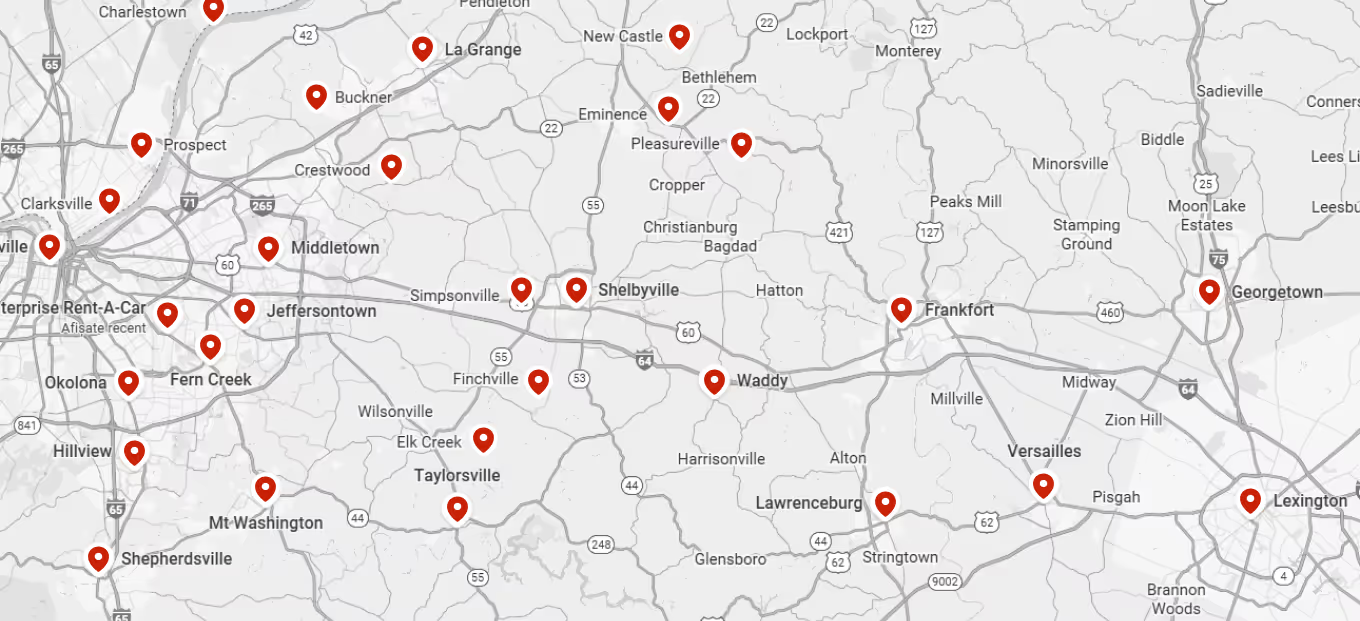
Proudly serving Spencer county, Jefferson county, Bullitt county, and the surrounding areas
Short Heading Goes Here
Sed iaculis aenean sit sed risus arcu vitae integer elit.

